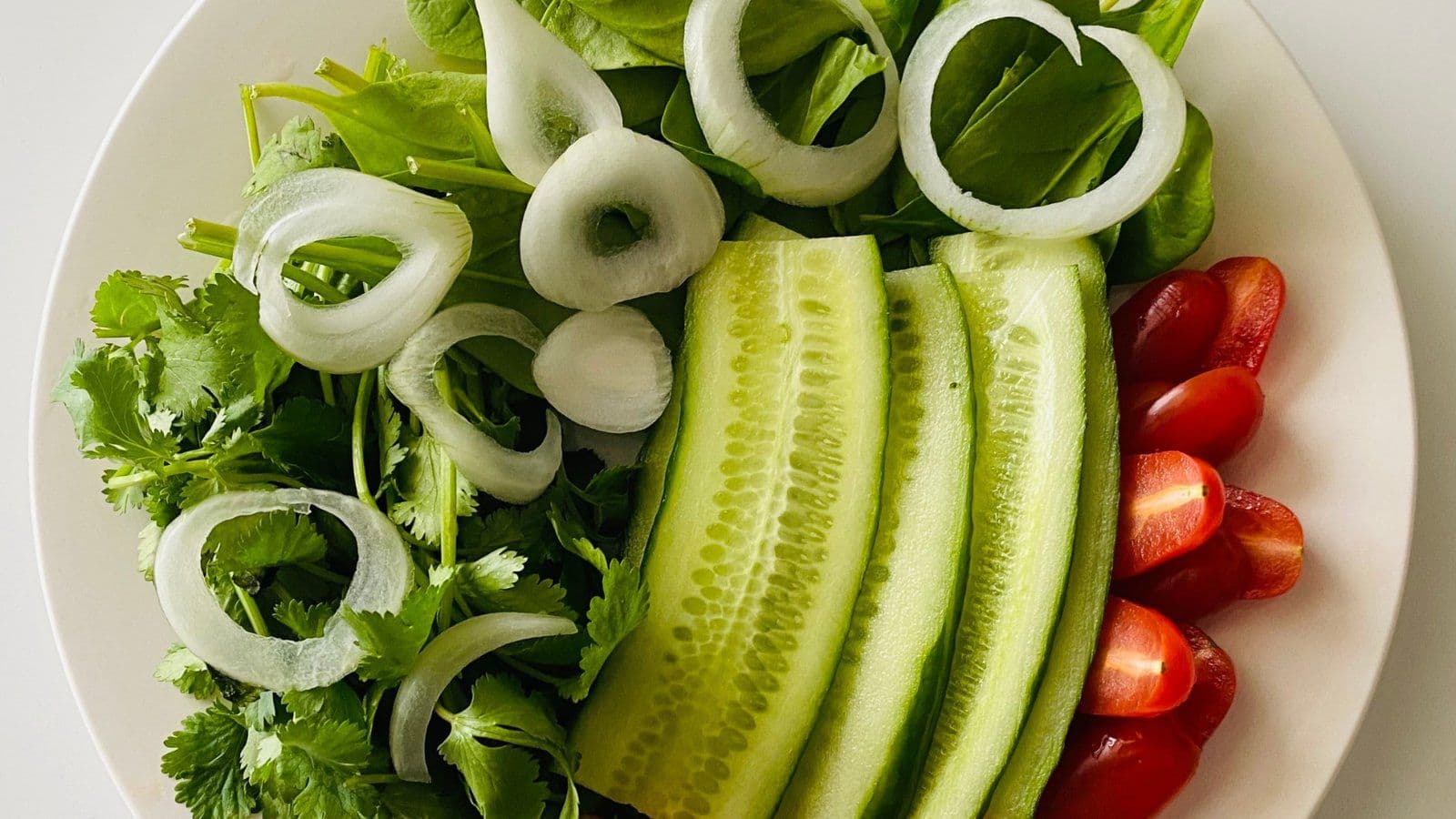
The late wake-up call, the meeting that encroaches on the lunch break, the coffee machine that serves as fuel, the sandwich eaten in front of the screen... These situations certainly speak to me. At the office, eating well often seems to come up against a reality: there is no time, nearby options are not always ideal, and fatigue pushes us towards the quickest, not always the healthiest, choices. However, a few simple strategies can radically transform my diet at work, without spending hours on it. I'll give them all to you.
1. The real problem: why do I eat poorly at the office?
Before finding solutions, I take two minutes to identify my personal obstacles. The most common among employees are:
- ●Lack of time to prepare meals in the morning or the day before
- ●The absence of a refrigerator or microwave accessible to the office
- ●Social pressure: following colleagues at the fast food restaurant or bakery
- ●Stress and fatigue that favor high-calorie comfort foods
- ●Sweet or savory snack vending machines as the only snack option
Once these obstacles have been identified, I can act on those that concern me. Here are my concrete strategies, organized by situation.
| Formula | Concrete example |
|---|---|
| Protein bowl | Brown rice + grilled chicken + roasted vegetables + lemon yogurt sauce |
| Substantial salad | Quinoa + chickpeas + feta + cherry tomatoes + cucumber + olive oil vinaigrette |
| Wrap house | Whole tortilla + tuna + avocado + salad + tomato + lemon |
| Thermosoup | Red lentil soup + wholemeal bread + fromage blanc dessert |
| Snack tray | Boiled eggs + raw vegetables + hummus + fresh fruit + oilseeds |
2. The lunch box: my best health investment
Bringing your own home-cooked meal is the number one strategy for controlling the quality of what I eat, while making significant savings. In France, lunch out costs on average 12-15 euros per day, compared to 3-5 euros for a meal prepared at home.
My quick and balanced lunch box ideas:
My time-saving tip: I prepare these lunch boxes in the evening, at the same time as I cook dinner. By cooking a little more rice or vegetables, I have my next day's meal ready in an extra 5 minutes.
3. Weekend meal prep: 1 hour for the whole weekMeal prep, preparing meals in advance, is the most effective solution to never find yourself without a healthy option during the week. The idea: devote 1 to 2 hours on Sunday to prepare bases that will be used throughout the week.
My express meal prep schedule:
- ●I cook a large quantity of cereals (brown rice, quinoa, bulgur) which keep for 4-5 days in the fridge
- ●I roast a tray of various vegetables in the oven (peppers, zucchini, carrots, mushrooms)
- ●I prepare a source of protein: hard-boiled eggs, cooked chicken breast, can of drained legumes
- ●I prepare a homemade sauce or vinaigrette kept in a jar: lemon-mustard, tahini-lemon, yogurt-herbs
- ●I assemble the lunch boxes every morning or evening by combining these bases differently to vary the pleasures
The secret is to think in reusable “blocks” and not in fixed meals. With the same bases, I can make a bowl, a salad, a wrap or a soup depending on my mood at the moment.
4. Smart snacks: no more vending machines!
The 11 a.m. or 4 p.m. shift is real and physiological: it corresponds to a natural drop in blood sugar. Rather than giving in to the vending machine, I equip myself with a small stock of healthy snacks to keep in my drawer or my bag:
- ●A handful of oilseeds (walnuts, almonds, hazelnuts): rich in good fats, proteins and anti-stress magnesium
- ●A fresh seasonal fruit: quick, naturally sweet, rich in fiber and vitamins
- ●A natural yogurt or cottage cheese: proteins and calcium to calm hunger sustainably
- ●Canned raw vegetables (carrots, celery, cucumber) with a portion of hummus
- ●A square of dark chocolate (70% minimum): antioxidants and recognized appetite suppressant effect
5. When I have no choice: choose wisely outside
Some days, it's impossible to do anything other than eat lunch outside. Here's how to make the best possible choices depending on where I end up:
- ●At the bakery: I prefer a wholemeal bread sandwich with protein filling (ham, chicken, egg, tuna) and raw vegetables. I avoid pastries and sandwiches with generous mayonnaise sauce.
- ●At the restaurant: I start with a starter of raw vegetables or a soup rather than a hot starter with gratin. I choose a main dish based on fish or poultry with vegetables. I limit creamy sauces.
- ●At fast food (if really unavoidable): I choose the wrap or mixed salad rather than the XXL burger. I take water rather than a sugary drink. I skip the fries or take the small portion.
- ●At the company cafeteria: I compose my tray following the rule of thirds: half vegetables, a quarter whole starches, a quarter proteins. I supplement with a fruit or dairy product.
6. My work environment, an often neglected lever
What I have on hand at the office directly influences what I eat. A few simple adjustments to make my environment more conducive to good nutrition:
- ●I keep a water bottle on my desk and refill it regularly: dehydration is often confused with hunger
- ●I replace the bowl of candy on my desk with a bowl of fruit or oilseeds
- ●I take a real lunch break, away from my screen: eating while working reduces the feeling of satiety and promotes overwork
- ●I suggest to my colleagues that they share ideas for healthy meals or organize shared meals: collective dynamics are a powerful lever for changing habits
💡 tips to remember
- I adopt the lunch box: bringing your home-cooked meal is the most effective strategy for controlling the quality of your diet at the office.
- I devote 1 hour on the weekend to meal prep: cooked cereals, roasted vegetables, ready proteins. In 5 minutes each morning, I assemble my lunch box.
- I plan my snacks in advance: nuts, fresh fruit, yogurt or raw vegetables in my drawer to avoid the vending machine.
- I take a real lunch break, away from my screen: eating while working reduces the feeling of satiety and harms my recovery.
- I keep a bottle of water visible on my office: dehydration is often confused with hunger and encourages snacking.
- Outside, I apply the rule of thirds on my plate and I always favor vegetables, lean proteins and whole-grain starches.