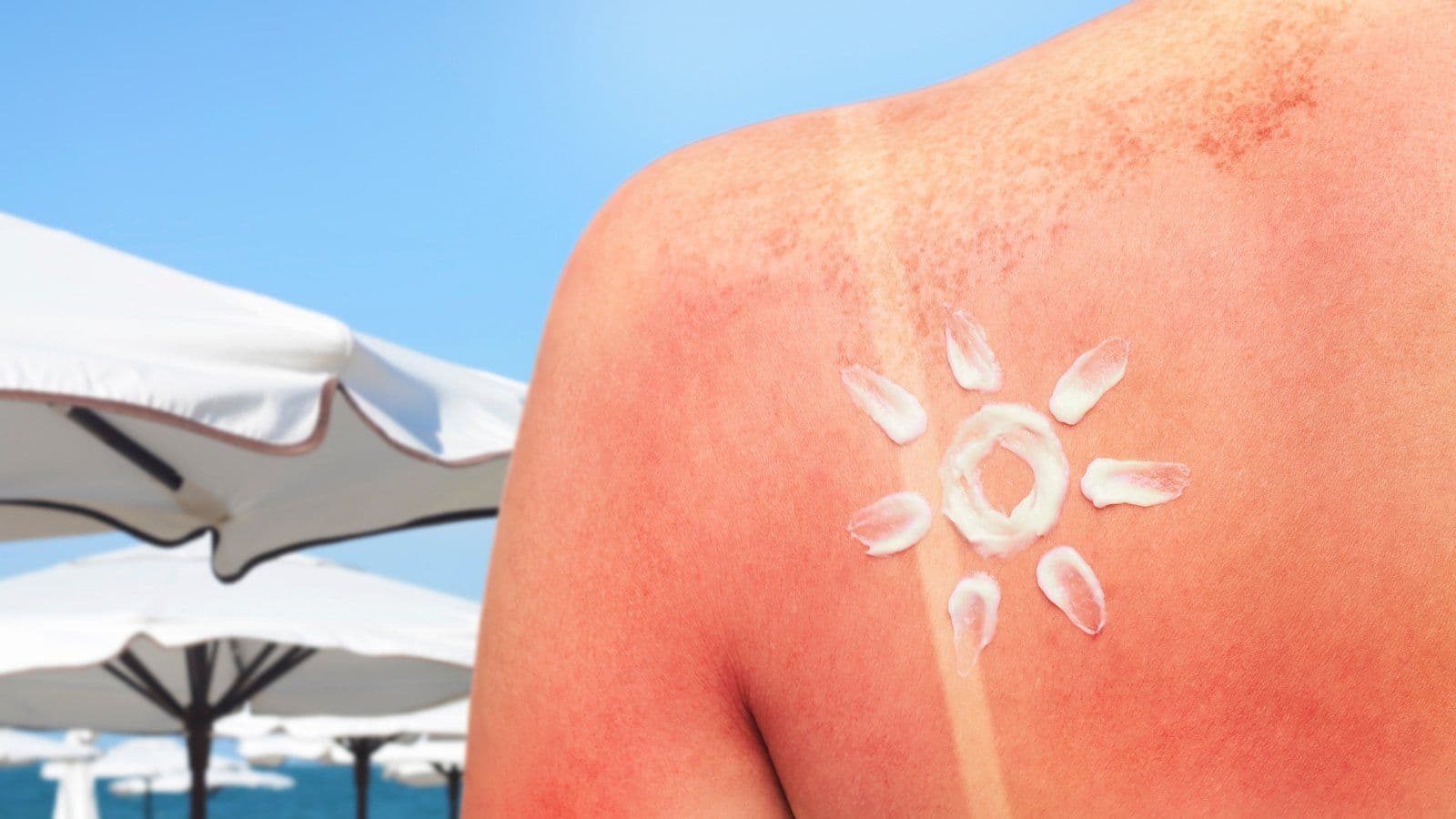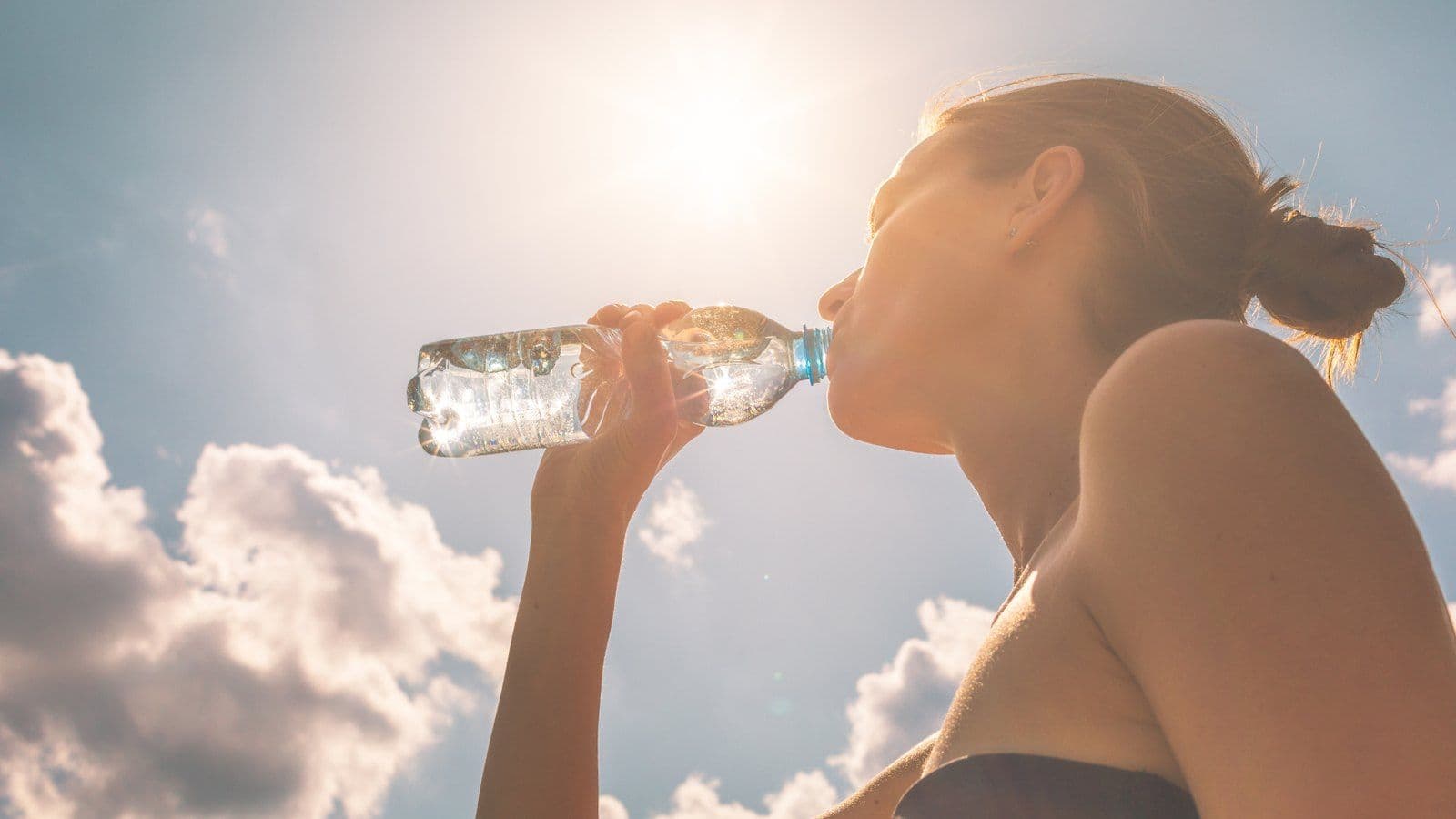
Water is essential for the body to function, and its needs increase with heat. In summer, perspiration and high temperatures increase water loss. However, we often forget to drink enough, to the point of feeling thirsty, which is already a sign of beginning dehydration. A few simple reflexes allow you to stay well hydrated.
1. Why hydration is vital
Water represents a large part of our body and is involved in almost all its functions: temperature regulation, transport of nutrients, elimination of waste. In case of heat, perspiration increases losses, which must be compensated to avoid dehydration.
2. Recognize the signs of dehydration
| Sign | Interpretation |
|---|---|
| Thirst | Dehydration already beginning |
| Dark urine | Lack of water |
| Fatigue, headaches | Frequent signs |
| Dry mouth, dizziness | Don't neglect |
Thirst is not a good indicator to anticipate: when it appears, the body is already lacking water. It's better to drink regularly, without waiting until you're thirsty.
3. Good reflexes
- Drink regularly throughout the day
- Prioritize water, the most suitable drink
- Consume foods rich in water (fruits, vegetables)
- Limit alcohol and very sugary drinks, which are not very thirst-quenching
Water remains the best drink. Seasonal fruits and vegetables, rich in water, also contribute to hydration. Alcohol, on the contrary, promotes dehydration.
4. Monitor the most vulnerable
Some people are more at risk of dehydration: the elderly, whose feeling of thirst decreases, young children and sick people. During periods of high heat, it is important to ensure that they drink regularly.
Staying well hydrated is a simple action with major benefits, especially in summer. In case of extreme heat, vigilance towards the most vulnerable is essential.
💡 tips to remember
- Water requirements increase with heat: perspiration increases the losses which must be compensated.
- Thirst is already a sign of incipient dehydration: it is better to drink regularly without waiting to feel thirsty.
- Water is the best drink; seasonal fruits and vegetables, rich in water, also contribute to hydration.
- Alcohol and very sugary drinks quench thirst poorly: alcohol even promotes dehydration.
- Elderly people, young children and sick people are more at risk: I make sure they drink regularly.