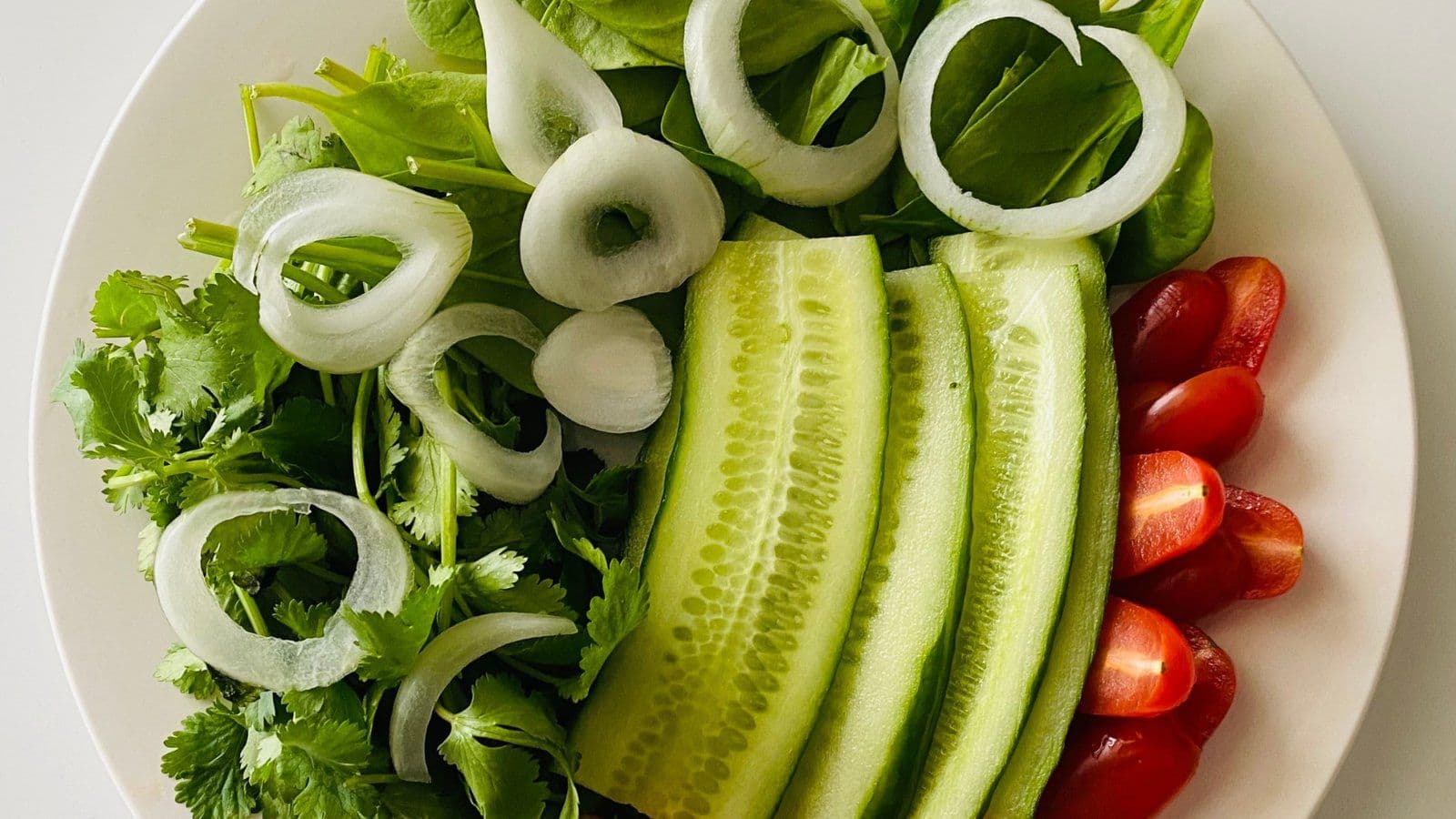
With the arrival of the first cold weather, viruses and bacteria circulate more actively, there is a lack of light, morale can flag and cravings for rich and comforting foods intensify. This is no coincidence: our body has been adapting to seasonal changes for millennia, and our diet can either support this adaptation or complicate it. The good news is that smart winter eating is not a constraint - it's warm, tasty, colorful cuisine that is truly beneficial for the body and mind.
1. Why winter weakens our defenses
Several mechanisms make the body more vulnerable in winter and justify particular attention to diet:
- ●Reduced sunlight leads to a drop in the synthesis of vitamin D, one of the key modulators of the immune system.
- ●Cold temperatures encourage the survival of respiratory viruses in the air and on surfaces, increasing the risk of transmission.
- ●Indoor heating dries out the nasal and respiratory mucous membranes, the first defense barrier against pathogens.
- ●The reduction in winter physical activity slows blood and lymphatic circulation, impacting the transport of immune cells.
- ●Seasonal dietary changes (less fresh fruit, more rich foods) can reduce intake of vitamins C, A and antioxidants.
2. The key nutrients of winter
| Nutrient | Specific winter role | Seasonal Sources |
|---|---|---|
| Vitamin D | Major immune modulator. Zero synthesis from October to April in France. | Supplementation 1000 IU/day. Fatty fish, egg yolk. |
| Vitamin C | Reinforces epithelial barriers. Stimulates the production of phagocytes and lymphocytes. | Kiwi (93 mg/100g), raw pepper (190 mg), citrus fruits, broccoli, fresh parsley. |
| Zinc | Antiviral. Essential for the development of immune cells. | Oysters, pumpkin seeds, cashew nuts, legumes. |
| Selenium | Cofactor of antioxidant enzymes. Regulates the immune response. | 2 Brazil nuts per day cover the daily requirement. |
| Omega-3 EPA/DHA | Anti-inflammatories. Support the mucosal immune response. | Oily fish 2 times/week: salmon, mackerel, sardines. |
| Prebiotic fibers | Feed the beneficial bacteria in the microbiota, seat of 70% of immune cells. | Leek, onion, garlic, legumes, Jerusalem artichoke. |
3. The star vegetables and fruits of winter
Contrary to popular belief, winter offers a range of remarkably nutritious fruits and vegetables. Here are the champions:
- ●Citrus fruits (orange, clementine, grapefruit, lemon): rich in vitamin C, flavonoids and antioxidants. A kiwi in the morning and an orange during the day more than cover the vitamin C needs.
- ●Cabbage (broccoli, Brussels sprouts, kale, red cabbage): winter cruciferous vegetables are among the most nutritious vegetables of the year. Glucosinolates, vitamins C' and K, folates, calcium. I eat them several times a week.
- ●Leek and onion: rich in prebiotic fructo-oligosaccharides which nourish the beneficial bacteria of the microbiota. The perfect winter soup base.- Squash and pumpkin: rich in beta-carotene (precursor of vitamin A), essential for the integrity of the respiratory mucous membranes. Their intense orange color is a sign of their richness in carotenoids.
- ●Kiwi: the small fruit with the densest vitamin C content on our shelves. A kiwi provides 93 mg of vitamin C, well beyond the daily requirement of 110 mg.
- ●Nuts (walnuts, hazelnuts, almonds): rich in zinc, selenium, magnesium and unsaturated fatty acids. The perfect winter snack for immunity and energy.
4. My winter recipes and habits
Healthy winter eating doesn't mean sadness or deprivation. Here's how I make it nourishing, comforting and immunostimulating:
- ●Daily soup: a winter vegetable soup (leek, carrot, squash, onion, garlic) prepared at home is the winter food par excellence. Easy to make in batches, it covers a good part of the day's vegetable needs and provides additional hydration. I add lentils for protein and spices (turmeric, ginger) for anti-inflammatory properties.
- ●Green tea in the morning and afternoon: it replaces afternoon coffee with its antioxidants (EGCG), moderate caffeine and soothing L-theanine. I flavor it with lemon to boost the bioavailability of antioxidants.
- ●A kiwi or an orange every morning: this 30-second gesture covers my vitamin C needs for the day. I do it as a morning ritual so I never forget it.
- ●Garlic and ginger in all my dishes: the allicin in garlic and the gingerols in ginger have documented antiviral and immunostimulating properties. I overdo it in winter in my soups, curries, woks and marinades.
- ●Yoghurt or kefir every day: to support the microbiota, sentinel of the immune system. Winter is the season when I pay the most attention to it.
5. What I avoided in winter so as not to weaken my defenses
- ●Excess sugar: it temporarily inhibits phagocytes and weakens epithelial barriers. I reduce sweets and sugary drinks which are often increased in winter.
- ●Excess alcohol: it alters the function of immune cells and dries out the mucous membranes. A glass of wine in the evening is different from several glasses every day.
- ●Nights too short: sleep is the first factor in immunity. Below 7 hours, pro-immune cytokines drop. I protect my sleep as a priority.
- ●Unmanaged chronic stress: cortisol suppresses the immune response. Anti-stress diet (magnesium, omega-3, B vitamins) is part of the winter strategy.
💡 tips to remember
- I start my vitamin D treatment in October: 1000 IU of D3 per day until April. It is the most recommended and best proven winter immune gesture.
- A kiwi or an orange every morning covers my vitamin C needs for the day: simple, effective, tasty.
- Daily homemade soup is my ideal winter food: winter vegetables, legumes, spices. Nutritive, hydrating, comforting and easy to prepare in batches.
- 2 Brazil nuts per day for selenium: one of the most forgotten immune micronutrients and the easiest to cover.
- Garlic and ginger in all my dishes: their antiviral properties are documented and their use in cooking is a pleasure, not a constraint.
- The winter microbiota requires attention: one yogurt or kefir per day + garlic and leek as natural prebiotics. 70% of my immune cells live in my intestine.
- Sleep above all: without 7 to 8 hours of sleep, no diet can compensate for the drop in immune defenses.