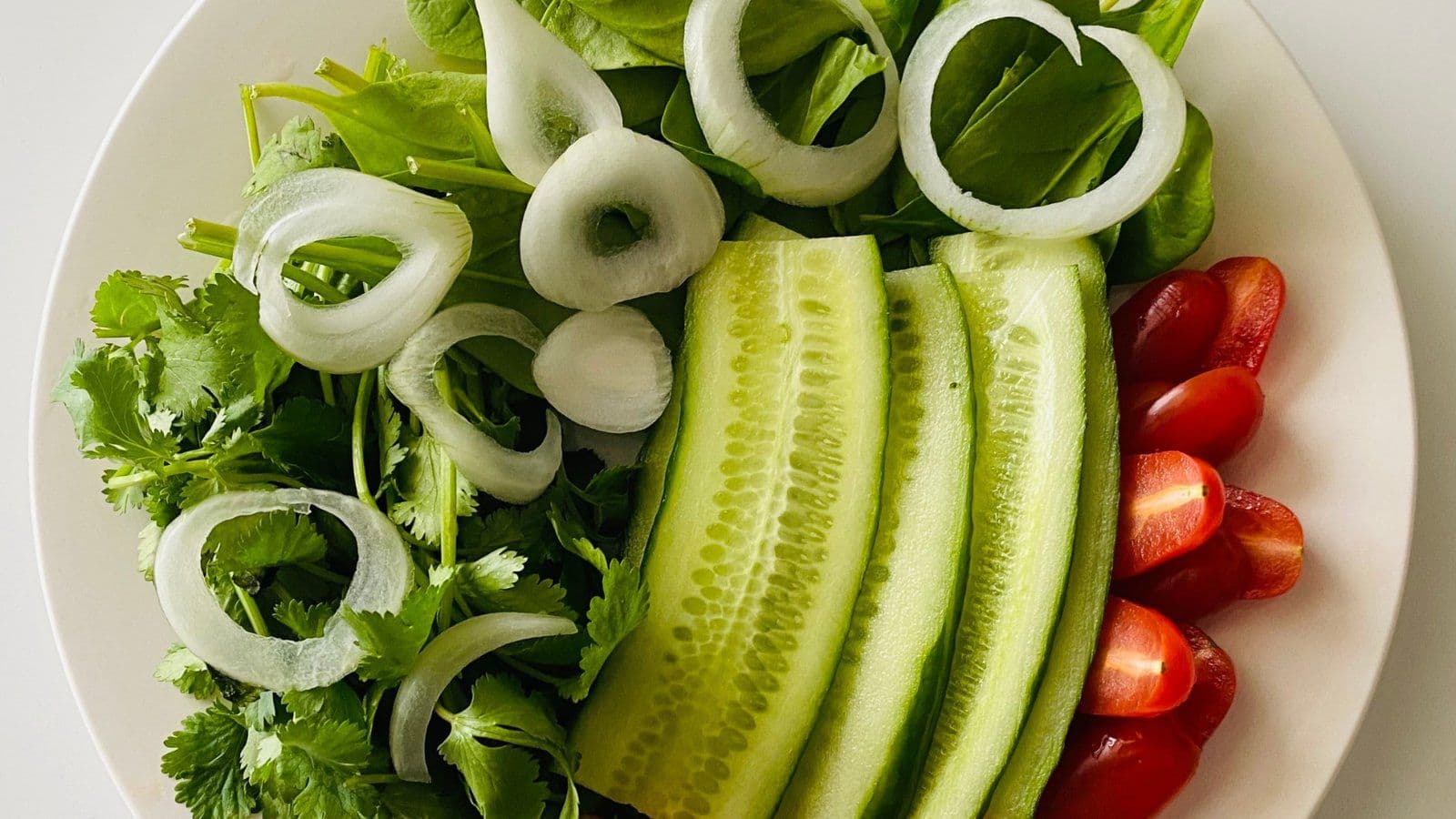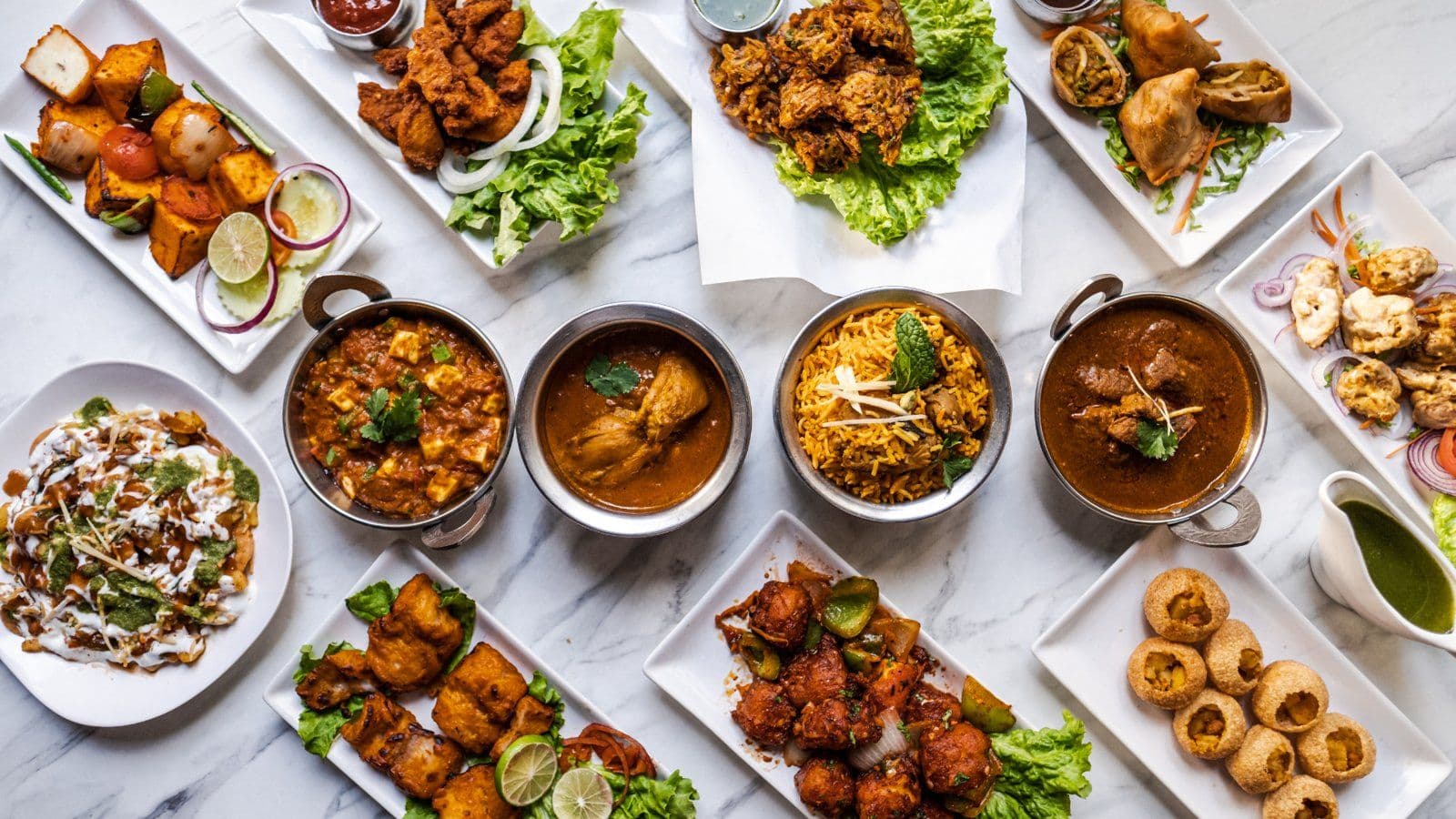
More and more people are questioning their meat consumption, whether for health, environmental, ethical reasons or simply out of curiosity. I'm not here to make you feel guilty or to convince you to adopt a particular diet. Each person has their preferences, their food culture, their constraints. What I want to offer you is an objective and caring look at what science says about vegetarian and flexitarian diets - so that you can make your own choices, informed and without pressure.
1. Vegetarian, vegan, flexitarian: what are we talking about?
These terms are often used vaguely. Here are the precisely established definitions:
In France, it is estimated that 3 to 4% of the population declare themselves vegetarian or vegan, and around 25 to 30% position themselves as flexitarian according to recent consumer studies.
| Type of diet | What it excludes / reduces | What it includes |
|---|---|---|
| Omnivore | Nothing excluded | All food groups: meat, fish, dairy products, eggs, vegetables |
| Flexitarian | Reduce (without eliminating) meat and fish, generally 1 to 3 times a week maximum | All food groups, predominantly plant-based |
| Pescetarian | Excludes land-based meat only | Fish, seafood, eggs, dairy products, vegetables |
| Vegetarian (lacto-ovo) | Excludes all meat and fish | Eggs, dairy products and all vegetaux |
| Vegetalien (vegan) | Excludes all products of animal origin | Exclusively foods of plant origin |
2. What science says about health benefits
There are numerous studies on vegetarian and semi-vegetarian populations and their conclusions converge on several points:- Cardiovascular health: a meta-analysis published in JAMA Internal Medicine (2014) covering 7 studies and more than 124,000 participants showed that vegetarians had a 29% lower risk of mortality from ischemic heart disease compared to omnivores. This benefit is attributed to a higher consumption of fiber, potassium, antioxidants and good fats, and a lower consumption of saturated fats.
- ●Prevention of type 2 diabetes: Predominantly plant-based diets are associated with better insulin sensitivity and a reduced risk of type 2 diabetes, in part via their richness in fiber and their overall lower glycemic index.
- ●Cancer prevention: a study published in JAMA Internal Medicine (2015) on 77,000 participants in the Adventist Health Study cohort showed that vegetarians had a 22% lower risk of colorectal cancer compared to non-vegetarians. Vegans had the lowest risk.
- ●Weight management: cohort studies consistently show a lower average BMI among vegetarians and flexitarians than among omnivores, even after adjusting for physical activity level.
- ●The flexitarian diet specifically: a systematic review published in Advances in Nutrition (2020) concluded that flexitarianism reduced the risk of type 2 diabetes, improved metabolic markers and promoted the maintenance of a healthy weight, with benefits comparable to strict vegetarianism without its constraints.
Nutrient Risk by diet Compensation strategies Vitamin B12 Critical for vegans. Absent from the plant world. Compulsory supplement for all vegans. Regular check of blood levels. Iron Moderate for vegetarians (non-heme iron less well absorbed) Legumes + vitamin C at the same meal, pumpkin seeds, spinach. Regular monitoring of ferritin. Omega-3 EPA/DHA Moderate to high for vegetarians, critical for vegans without fish Marine algae oils (only vegetable source of EPA/DHA directly). Flaxseeds and walnuts for ALA. Zinc Moderate (reduced absorption by plant phytates) Soaking of legumes, whole grains, pumpkin seeds, cashew nuts. Calcium Moderate for dairy-free vegans Green vegetables (broccoli, cabbage), almonds, tofu set with calcium, vegetable drinks enriched. Iodine Raised for vegans without seafood Salt iodine, seaweed (with moderation), supplementation if necessary. Vitamin D Similar to the general population (insufficient for all) Sun exposure + supplementation universally recommended in fall-winter.
3. Points of nutritional vigilance
A well-planned vegetarian or vegan diet can cover all nutritional needs. But there are nutrients to watch closely, particularly for diets excluding all animal products:For a balanced vegetarian or vegan diet, annual biological monitoring is recommended to check the critical parameters: B12, ferritin, vitamin D, zinc. This is precisely the type of assessment that a serious health prevention approach allows.
4. Flexitarianism: the middle way
For many people, flexitarianism is the most natural and sustainable transition to a healthier, more environmentally friendly diet. It is not a strict diet but an orientation: eat more plants and fewer animal products, without imposing absolute rules.
Its advantages compared to strict vegetarianism:
- ●No risk of specific deficiency if meat and fish are maintained a few times a week
- ●Easier to maintain socially and outside the home: restaurants, invitations, trips
- ●Gradual and sustainable transition rather than radical change which is often difficult to maintain
- ●Health benefits similar to vegetarianism according to recent studies, for much less constraint
In practice, flexitarianism can be translated into the rule of less often, less but better: I consume red meat maximum 1 to 2 times per week, chicken 1 to 2 times, and I replace other protein meals with fish, eggs, legumes or tofu.
5. How to transition smoothly
If I want to move towards a more plant-based diet, progressivity is the key to a successful and sustainable transition:
- ●I start with meatless meals: every other meal, then every other day. I don't eliminate, I gradually replace. Lentil curry, chickpea bowl, vegetable omelette, white bean soup.
- ●I am discovering plant-based proteins: legumes, tofu, tempeh, edamame, seitan (if you are not sensitive to gluten). These foods have their own culinary personality that I take the time to tame.
- ●I maintain diversity: a boring and monotonous plant-based diet is neither healthy nor sustainable. I focus on the variety of whole grains, legumes and seasonal vegetables.
- ●I have my biological balance checked: if I significantly reduce animal products, I check my B12, ferritin and vitamin D levels within 6 to 12 months.
- ●I don't judge myself on the differences: a steak at my grandmother's does not destroy a week of good eating. The important thing is the underlying trend, not the perfection of each meal.
💡 tips to remember
- A well-planned vegetarian diet has documented cardiovascular, metabolic and oncological benefits: -29% cardiac mortality, -22% risk of colorectal cancer.
- Flexitarianism offers health benefits similar to strict vegetarianism with much fewer constraints: it is often the most sustainable and accessible transition.
- The only absolute rule for vegans: vitamin B12 supplementation. Without it, the risk of serious neurological disorders is real in the long term.
- I monitor iron, B12, vitamin D and omega-3 if I significantly reduce animal products. An annual biological assessment is essential to adjust any deficiencies.
- I start slowly: one vegetarian meal per day, then two. Progressivity is the key to a successful and sustainable transition.
- Legumes are my new best friends: lentils, chickpeas, beans provide protein, fiber and iron in every meat-free meal.
- No pressure: flexitarianism is not a diet, it is an orientation. I eat more vegetables, less red meat, and I don't judge myself on the differences.