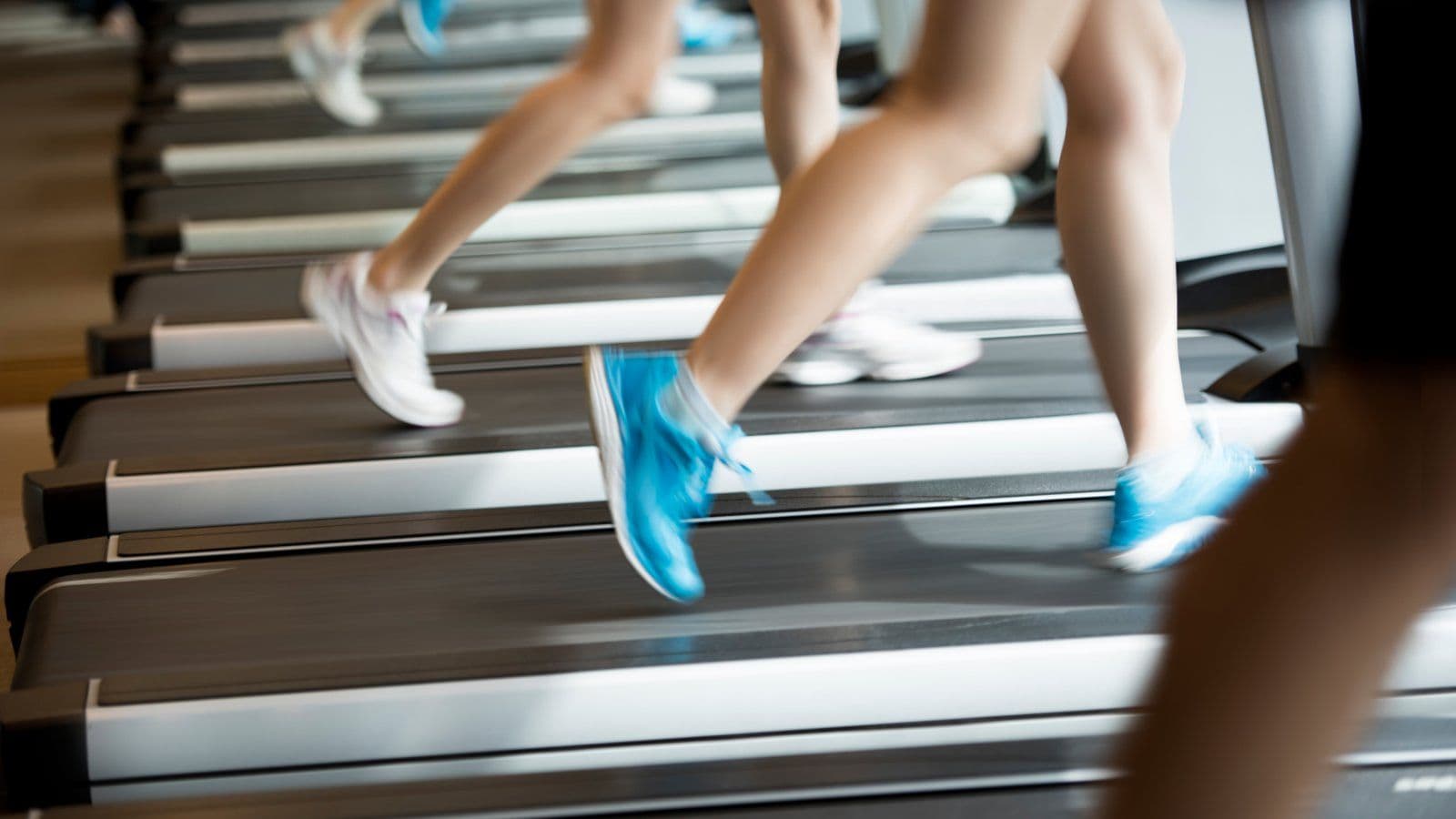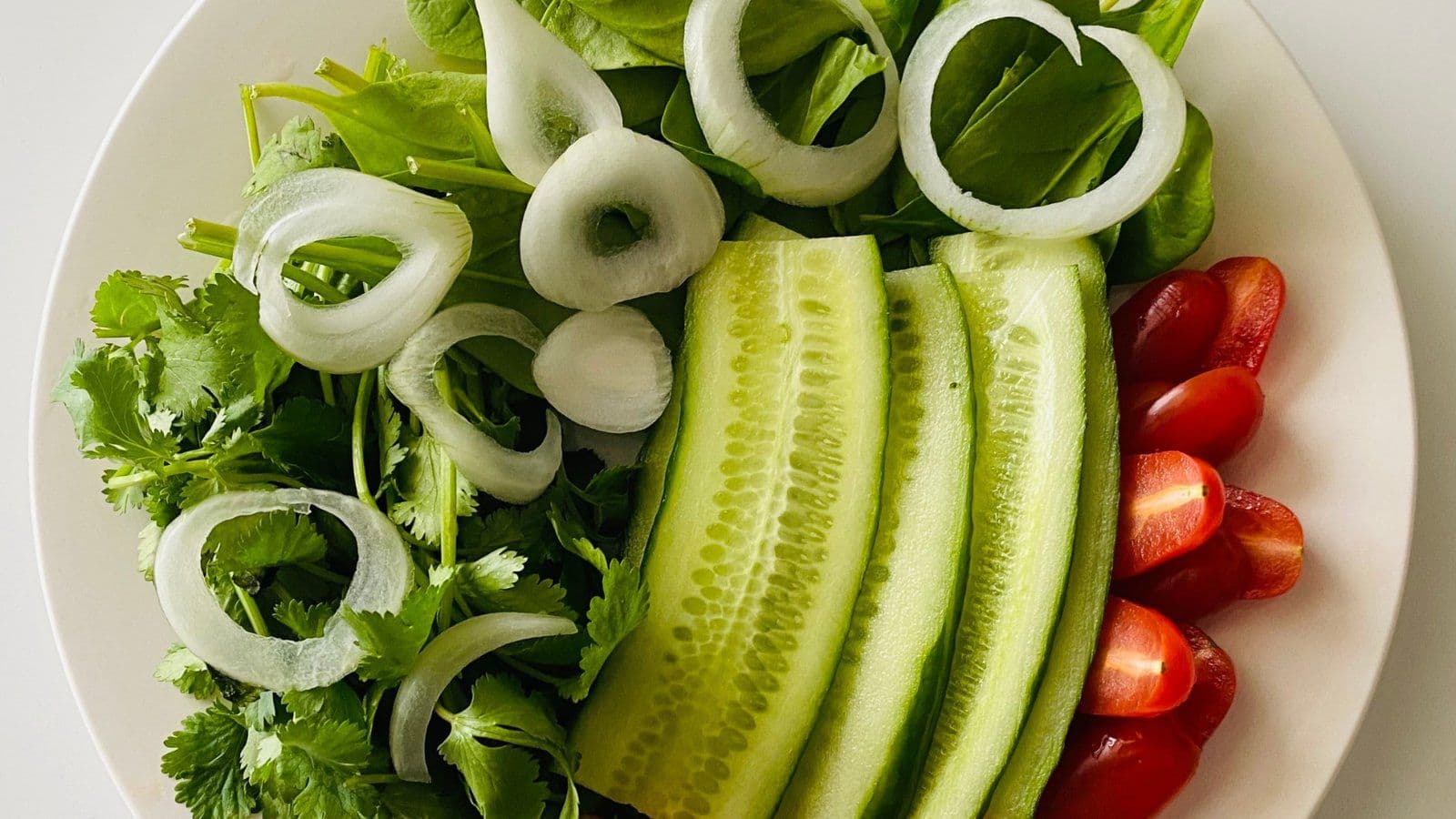
I am starting to exercise regularly. I eat more or less well. And I wonder if what I eat before and after my sessions really matters. The answer is yes, but not in the way sports supplement brands would have me believe. No need for protein shakes, energy bars or special powders.
Nutrition around physical effort is based on simple principles, accessible and valid for everyone, whether you are a beginner who walks 30 minutes a day or an amateur athlete who runs twice a week. Here's what the science says, without the marketing or unnecessary complexity.
1. The foundations: eat well every day above all
The most important principle of sports nutrition is often the one we forget: eating around exercise cannot compensate for an overall unbalanced diet on a daily basis. The basis of performance, even for the amateur, is a good quality ordinary power supply.
| Nutrient | Role in physical activity | Main food sources |
|---|---|---|
| Carbohydrates | Main energy source for exercise, replenishing muscle glycogen | Wholegrains, rice, pasta, bread, potatoes, fruit, legumes |
| Protein | Muscle repair and building, synthesis of enzymes and hormones | Meat, fish, eggs, legumes, dairy products, tofu, tempeh |
| Fats (healthy fats) | Energy source for long efforts, absorption of fat-soluble vitamins, hormonal health | Olive oil, avocado, nuts, seeds, oily fish |
| Water and electrolytes | Nutrient transport, temperature regulation, muscle contractions | Water, electrolyte drinks if exercising over 1 hour, fruit and vegetables |
| Key micronutrients | Magnesium (muscle contraction), iron (oxygen transport), vitamin D (muscle strength) | Green vegetables, legumes, dried fruit, fish, sunlight |
2. Before exercise: fuel your engine
The objective of the pre-exercise meal is threefold: to maintain stable blood sugar levels, ensure sufficient glycogen reserves and avoid digestive discomfort during exercise.
For light to moderate efforts of less than 60 minutes (walking, light jogging, gym class), a normal meal 2 to 3 hours before is more than sufficient. No supplements or special strategies are necessary.
| Timing | What I eat | What I avoid |
|---|---|---|
| 3 to 4 hours before (full meal) | Meal rich in complex carbohydrates, moderate protein, low in fat and fibre: rice/pasta + lean protein + cooked vegetables | Excess fat, large amounts of fibre, alcohol |
| 1 to 2 hours before (snack) | Light snack: banana, toast with almond butter, yoghurt and fruit, handful of cereal | Fatty or very sugary foods (quick sugar followed by a rebound dip in blood sugar) |
| 30 min before (if needed) | Small dose of quick carbohydrates if hungry: a date, a piece of fruit, a small slice of bread | Heavy meal, anything that slows digestion |
| On an empty stomach (less than 30 min before) | Water only for light or moderate efforts under 60 min | No need to eat right before a short session |
3. During exercise: hydration as a priority
For the vast majority of daily physical activities (less than 60 minutes at moderate intensity), the priority is hydration. Nutrition during exercise is only necessary under specific conditions:
- ●Basic hydration: 500 ml of water 1 to 2 hours before exercise, then 150 to 250 ml every 15 to 20 minutes during exercise. Thirst is an insufficient indicator; it occurs when dehydration has already initiated.
- ●Efforts of less than 60 min: water alone is sufficient in the vast majority of cases. Isotonic drinks are useless for short sessions.
- ●Efforts of 60 to 90 min: if the intensity is moderate to high, a source of simple carbohydrates can be useful: energy gel, isotonic drink, a date or a piece of banana.
- ●Efforts lasting more than 90 min: carbohydrate reloading during exercise becomes important (30 to 60 g of carbohydrates per hour), associated with hydration with electrolytes (particularly sodium).
4. After exercise: the recovery window
The post-exercise period is the most important from a nutritional point of view, and the most often neglected. The 30 to 60 minutes following exercise constitute the metabolic window where the muscles are most receptive to the absorption of rebuilding nutrients.
- ●Proteins first (15 to 25 g): stimulate muscle protein synthesis and the repair of stressed fibers. Simple sources: Greek yogurt, a hard-boiled egg, a portion of cottage cheese, a handful of nuts + dairy.
- ●Carbohydrates to replenish glycogen: combining carbohydrates and proteins in the post-exercise meal accelerates recovery. A ratio of 3:1 (carbohydrates:proteins) is recommended after long or intense efforts.
- ●Natural anti-inflammatories: foods rich in omega-3 (oily fish, nuts, flax seeds), antioxidants (berries, turmeric, cherries) help reduce post-exercise muscle inflammation.
- ●Recovery hydration: drink 500 ml of water within 30 minutes post-exercise, then continue to hydrate until the urine is clear.
5. Received ideas to deconstruct
Sports nutrition is a field invaded by marketing and preconceived ideas. Here are the most common:- Protein supplements are necessary to progress: FALSE. For the vast majority of amateur athletes, protein intake from ordinary foods is more than sufficient. Protein powders are only useful if food intake is insufficient.
- ●You have to eat a lot more when you exercise: FALSE. The real increase in caloric needs linked to 30 to 60 minutes of moderate exercise is 150 to 300 kcal, the equivalent of a banana and a yogurt. Post-exercise overconsumption is one of the main causes of weight stagnation.
- ●Carbohydrates make you gain weight and should be avoided before sport: FALSE. Carbohydrates are the main fuel for exercise. Reducing them drastically reduces performance and recovery.
- ●Eating after 8 p.m. makes you gain weight: FALSE. What matters is the overall calorie balance and food quality, not the time. A post-workout meal in the evening is totally appropriate.
💡 Tips to remember
- The best sports nutrition starts with a balanced daily diet. No supplement can compensate for an overall unbalanced diet.
- For efforts of less than 60 minutes at moderate intensity, a normal meal 2 to 3 hours before is sufficient. No need for gel, bar or special drink.
- The post-exercise window (30 to 60 min) is the optimal time for recovery: 15 to 25 g of protein + complex carbohydrates = maximum muscle repair.
- The real calorie increase linked to 45 minutes of moderate sport is 200 to 300 kcal, the equivalent of a banana and a yogurt. Avoid overeating after exercise.
- A health check-up allows you to assess nutritional indicators (iron, vitamin D, magnesium deficiencies) which directly impact physical performance and recovery.