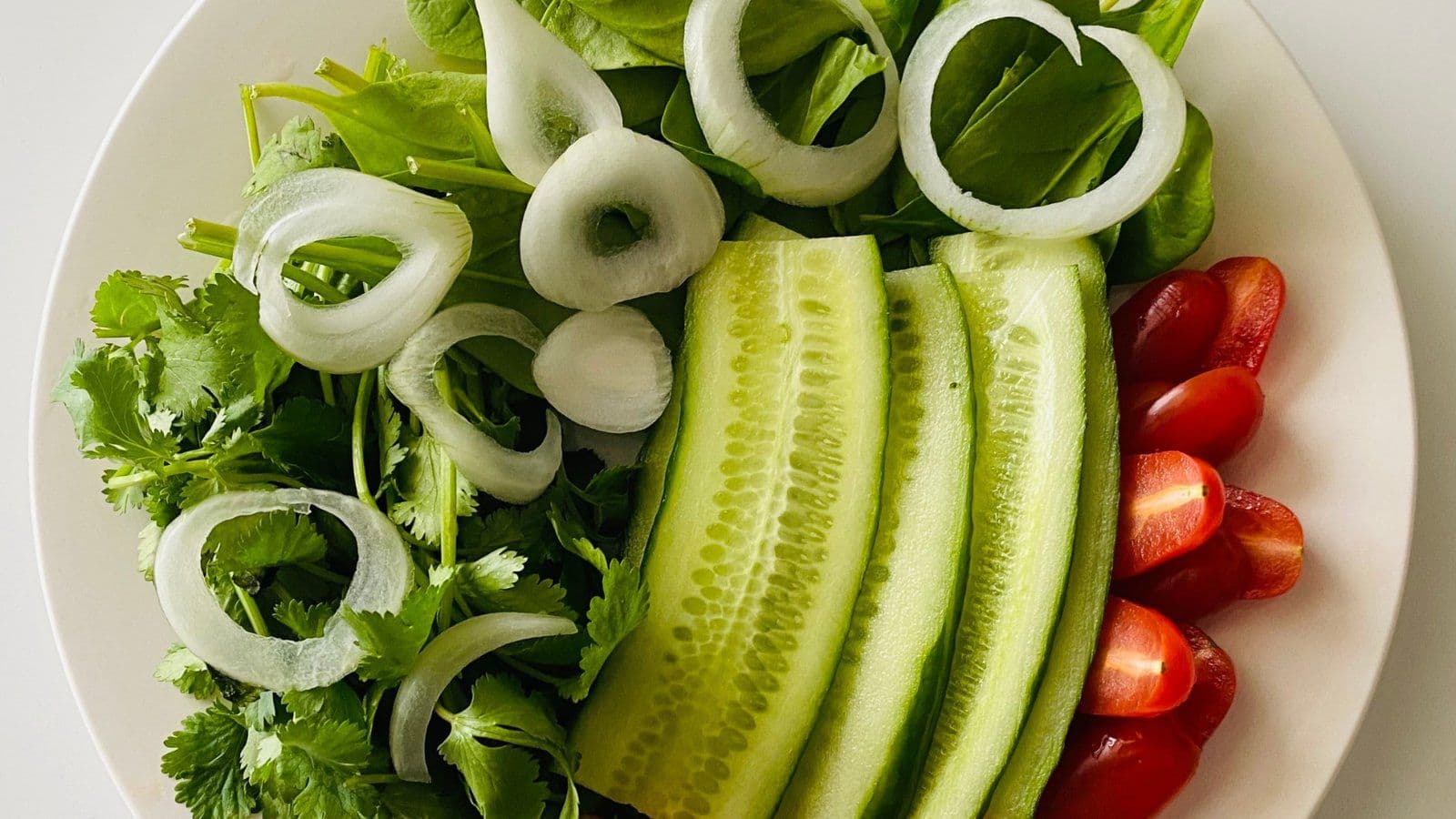
The idea that we could "eat against depression" is appealing. It is also misleading if taken literally: no food treats a mood disorder. On the other hand, the way we eat over time influences energy, sleep and mood stability, and it is one of the factors we can act on ourselves. That is the realistic level of ambition this article proposes.
1. What we really know about the link between diet and mood
The large observational studies of the past fifteen years agree on one point: people whose diet is close to the Mediterranean pattern, rich in vegetables, fruit, legumes, wholegrains, fish and olive oil, report depressive symptoms less often than those whose diet relies on ultra-processed products. In France, the NutriNet-Santé cohort run by INSERM has found the same association.
This result should be read with care. An association is not proof of cause and effect: people who eat better often have other protective habits too, and depression itself degrades eating. The few trials in which the diet of depressed people was changed showed encouraging effects, but they remain few and small. The reasonable conclusion is this: eating well is one of a set of measures that protect psychological balance, alongside sleep, physical activity and social ties. It is not a treatment.
2. Three mechanisms, in plain language
How can diet weigh on mood? Three pathways are well established.
Energy stability. A very sugary meal sends blood sugar up and then down, which shows up as passing tiredness and irritability. Meals built around fibre, protein and complex carbohydrates smooth these swings and give steadier energy through the day.
The gut. Our digestive tract hosts trillions of bacteria, the microbiota, which constantly exchange nerve and chemical signals with the brain. A fibre-rich diet feeds a diverse microbiota; a diet low in fibre and high in additives depletes it. Researchers are actively studying the role of this exchange in mood and stress, without yet being able to quantify it.
Deficiencies. Certain nutrients are involved in how the nervous system works. When they are lacking for a long time, fatigue and mood can suffer. This is the most concrete case, and the easiest to correct.
3. The nutrients that matter, and where to find them
| Nutrient | Why it matters | Where to find it |
|---|---|---|
| Omega-3 | Components of neuron membranes. Intake is insufficient in most of the French population | Oily fish twice a week (sardines, mackerel, salmon), rapeseed oil, walnuts, flaxseed |
| Vitamins B9 and B12 | Essential to the nervous system. An established deficiency can show up as fatigue and low mood | B9: green vegetables, legumes. B12: animal products only, hence particular vigilance on a vegan diet |
| Vitamin D | Deficiency is very common in France in winter. Its link with mood is being studied, without a definitive conclusion | Sun exposure, oily fish, eggs. Supplements only if a blood test shows a deficiency |
| Magnesium | Involved in nerve transmission and muscle relaxation | Legumes, nuts, wholegrains, dark chocolate, some mineral waters |
| Iron | The most widespread deficiency in the world, first showing as persistent fatigue often mistaken for low mood | Red meat, black pudding, legumes and green vegetables paired with a source of vitamin C |
One important point: unless a blood test documents a deficiency, dietary supplements have not shown any effect on mood. Taking magnesium or vitamin D "just in case" adds nothing if your reserves are normal. The blood test is the right starting point.
4. What weighs on mood without our noticing
Alcohol. Probably the most underestimated dietary factor. It relaxes in the moment, but it degrades sleep quality, heightens anxiety the next day and, with regular use, encourages depressive states. Cutting back on alcohol is often the dietary change that improves mood fastest.
Skipped meals. A brain short of fuel concentrates poorly and tolerates frustration badly. Skipping lunch for lack of time is often paid for in afternoon irritability.
Sugar as comfort. Snacking on sweets when things are bad brings immediate relief, followed by a dip. It is not a moral failing; it is a normal mechanism. But when it becomes the only tool for managing emotions, it sets up a cycle worth recognising.
5. In practice, where to start
No need to change everything. Three adjustments offer a good effort-to-benefit ratio.
Build breakfast and lunch around a source of protein and fibre rather than sugary products: eggs, plain yoghurt, wholemeal bread, whole fruit in the morning; vegetables, legumes or fish at midday. Afternoon energy improves from the first week.
Put oily fish on the menu twice a week, tinned if that is simpler: sardines and mackerel are among the cheapest foods and the richest in omega-3.
Move alcohol to occasions rather than every day, and honestly observe the effect on sleep and mood over two or three weeks.
6. What diet does not do
Persistent sadness, loss of interest in what used to please you, sleep problems or dark thoughts lasting more than two weeks are not fixed with lentils. These are signs that call for a consultation. Diet supports treatment; it does not replace it.
A health check-up can check the most common deficiencies, iron, vitamin D, vitamin B12, and open the conversation about diet without judgement, with guidance suited to your situation.
💡 Tips to remember
- No food treats depression: eating well protects psychological balance alongside sleep, physical activity and social ties, without replacing treatment.
- I build my meals around protein and fibre rather than sugar: afternoon energy improves from the first week.
- Oily fish twice a week, tinned if that is simpler: sardines and mackerel are among the cheapest foods and the richest in omega-3.
- I cut back on alcohol before anything else: it is the dietary factor that most degrades sleep and mood, and the one whose reduction is felt fastest.
- No supplements without a blood test: unless a deficiency in iron, vitamin D or B12 is documented, supplements have no demonstrated effect on mood.