The term superfood has no legal or scientific definition. Since 2007, the European Union has banned the use of this term on food packaging without supporting scientific evidence - which has not prevented its massive use in marketing and the media. The global superfood market is valued at over $150 billion and continues to grow. But what does this term really mean? Do these foods with extraordinary properties justify their often high prices? And aren't our ordinary local foods, after all, superfoods that we have forgotten? This is what science allows us to evaluate with lucidity.
1. What do we mean by superfood? A marketing construct
The term superfood is not defined in any official scientific nomenclature. It emerged in the 1990s-2000s in the vocabulary of food marketing to designate foods presented as having exceptional nutritional density or health properties, generally associated with an exotic origin and limited availability.
Several characteristics common to products labeled superfoods merit critical examination:
- ●A distant or exotic geographical origin (Amazonia, Himalayas, Andes, sub-Saharan Africa) which contributes to their image of rarity and power
- ●A high price, often 5 to 20 times higher than local foods with comparable nutritional properties
- ●Scientific studies often carried out in vitro (in the laboratory on cells) or on animals, rarely robust clinical trials on humans
- ●Marketing that highlights an isolated property (antioxidant content, richness in this or that compound) without taking into account the overall food matrix or real bioavailability
## 2. The most popular superfoods under scrutinySuperfood Documented actual properties Level of evidence Equivalent local alternative Goji berries Rich in zeaxanthin (eye protection), vitamins A and C, polysaccharides. Antioxidant effects. Studies mainly in vitro and in animals. Few robust clinical trials in humans. Blackcurrant, blueberry, pomegranate: comparable antioxidant profile, locally grown, 3 to 5 times cheaper. Açai Rich in anthocyanins and unsaturated fatty acids. High antioxidant capacity in vitro. Few human clinical trials. The bioavailability of anthocyanins after pasteurisation is little studied. Blueberry, blackcurrant, blackberry: similar antioxidant effects, local and cheaper. Spirulina Rich in protein (60-70%), iron, B12 analogues, phycocyanin (antioxidant). Genuine nutritional value. Some positive clinical studies on anaemia and cholesterol. Its B12 is in an analogue form humans cannot absorb. Legumes plus wholegrains for protein. Note: the B12 in spirulina is not bioactive. Chia seeds Rich in ALA (plant omega-3), soluble fibre, calcium, magnesium. Real nutritional value. Benefits linked to their fibre and omega-3 content are well documented. No specific magic property. Flaxseed (higher ALA profile), walnuts (omega-3), legumes (fibre). Nutritionally very close. Turmeric Anti-inflammatory properties of curcumin are documented. Neuroprotective and anticancer effects under study. Very low bioavailability of curcumin alone (improved by black pepper and fats). Promising but no definitive conclusions. No direct local equivalent. Genuinely useful if consumed regularly with black pepper and alongside fats. Quinoa Complete protein (all essential amino acids), fibre, minerals. Well established nutritional value. Nutritional profile superior to conventional cereals for protein. Well documented. Buckwheat (similar profile, local and cheaper). Lentils plus rice for complete protein. Maca Andean plant used for energy and fertility. Some adaptogenic properties suggested. Very few rigorous clinical studies. Insufficient evidence for most health claims. No direct equivalent. The health claims are not sufficiently supported to justify the cost.
3. Our local foods: the real forgotten superfoods
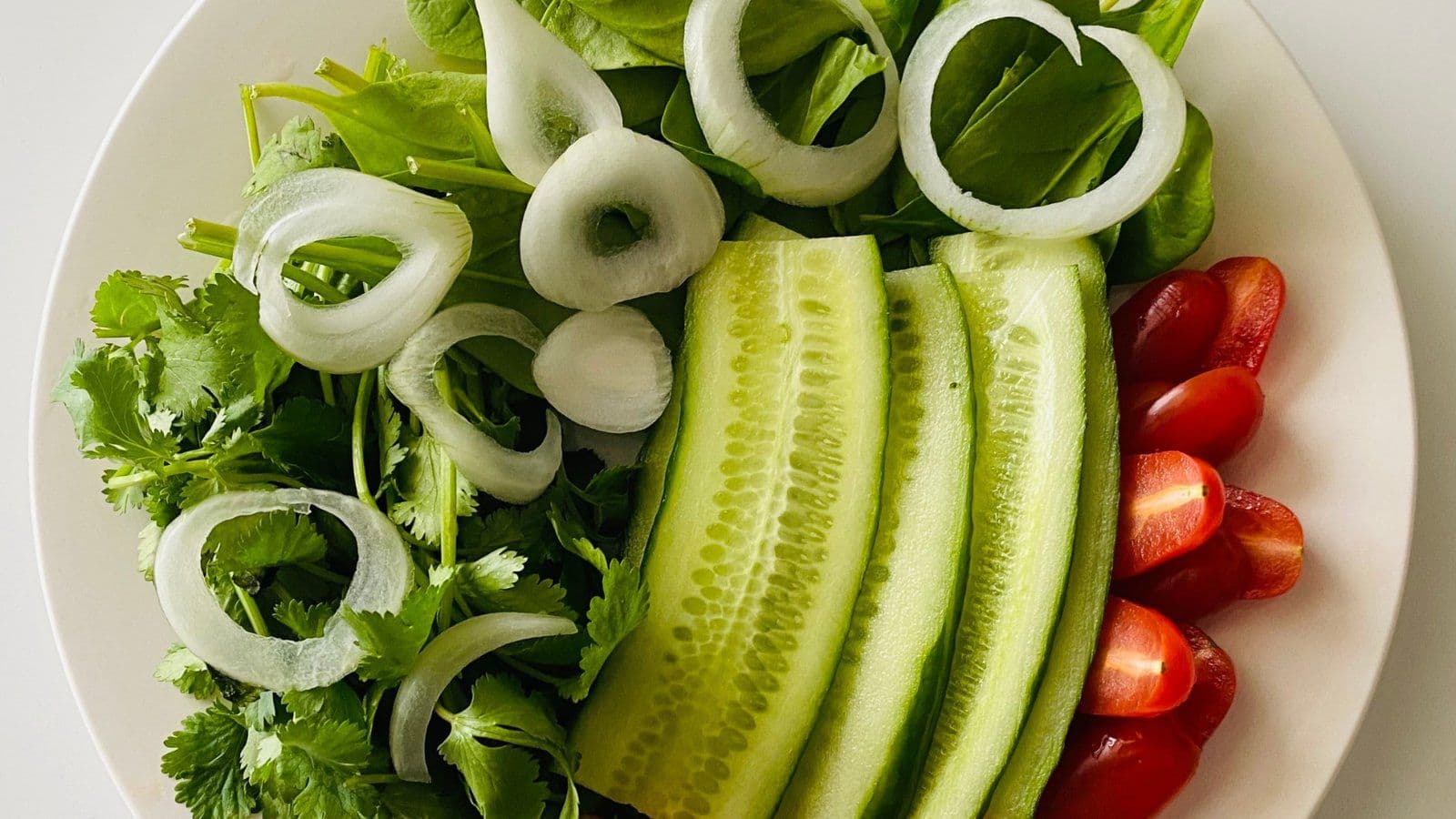
If one were to apply the same nutrient density criteria to ordinary local foods, many of them would more than deserve the superfood label - and at a fraction of the cost:
- ●Cabbage (kale, broccoli, Brussels sprouts): exceptional richness in vitamins C' and K, glucosinolates with documented anti-cancer properties, fiber, calcium, folate. Local brassicas surpass most exotic superfoods in terms of scientific evidence.
- ●Wild blueberries: among the fruits richest in anthocyanins and antioxidants. Clinical studies on cognitive, cardiovascular and ocular health are numerous and positive. Goji is not superior to them.
- ●Walnuts: one of the best sources of plant omega-3 (ALA), vitamin E, polyphenols and magnesium. Associated with a reduction in cardiovascular risk in many large studies.
- ●Lentils: complete vegetable proteins, fiber, iron, folate, very low glycemic index. A food that is both nutritionally exceptional and among the cheapest on the shelf.
- ●Spinach: iron, magnesium, vitamins K, A, C, folate, lutein and zeaxanthin (eye protection). Spirulina does not provide greater benefit if spinach is consumed regularly.
- ●Green tea: one of the most studied foods in preventive nutrition. Rich in EGCG (epigallocatechin gallate), associated with a reduction in cardiovascular risk and certain cancers in epidemiological studies.
4. How to evaluate a superfood: my analysis grid
Faced with a new superfood touted in the media, here are the questions I ask myself before investing:
- ●What studies are available? In vitro or animal studies do not allow us to conclude that there is an effect in humans. I'm looking for randomized clinical trials and meta-analyses.
- ●What is the bioavailability? A food may be rich in a beneficial compound, but if that compound is not assimilated by the body, the content on the label means nothing. Curcumin from turmeric and phycocyanin from spirulina are good examples.
- ●What is the global food context? A superfood added to an unbalanced diet will not correct the imbalance. The quality of the overall diet always takes precedence over a single food.
- ●Is there a cheaper local equivalent? In the vast majority of cases, the answer is yes. Local food biodiversity offers nutritional equivalents at a fraction of the cost.
- ●Is the price justified by the demonstrated benefits? The final, pragmatic question: does the available evidence justify the price premium compared to accessible alternatives?
5. My balanced position: neither rejection nor blind adherence
My position on superfoods is nuanced: some have real nutritional value and can usefully complement a balanced diet. But none of them is essential, none replaces the overall quality of the power supply, and for the most part, local equivalents exist at a much better price.
Superfoods that have my scientific esteem: turmeric (with black pepper), chia and flax seeds (omega-3 and fiber), spirulina (protein, but not for B12), wild blueberries (documented anthocyanins). They deserve their place in a varied diet, as a complement, not as a replacement.
My overall verdict: rather than buying acai powder at 30 euros per kilo, I invest this budget in a greater diversity of local seasonal fruits and vegetables, legumes, fatty fish and good oils. The impact on my health will be systematically greater.
💡 tips to remember
- The term superfood has no legal or scientific definition. It is above all a marketing construct. The EU also bans this term on packaging without valid scientific evidence.
- The majority of studies on superfoods are carried out in vitro or on animals: insufficient to conclude that there is an effect in humans. I'm looking for randomized clinical trials.
- For almost every exotic superfood, there is a cheaper local equivalent with comparable properties: goji and blueberries, spirulina and spinach, quinoa and buckwheat or lentils.
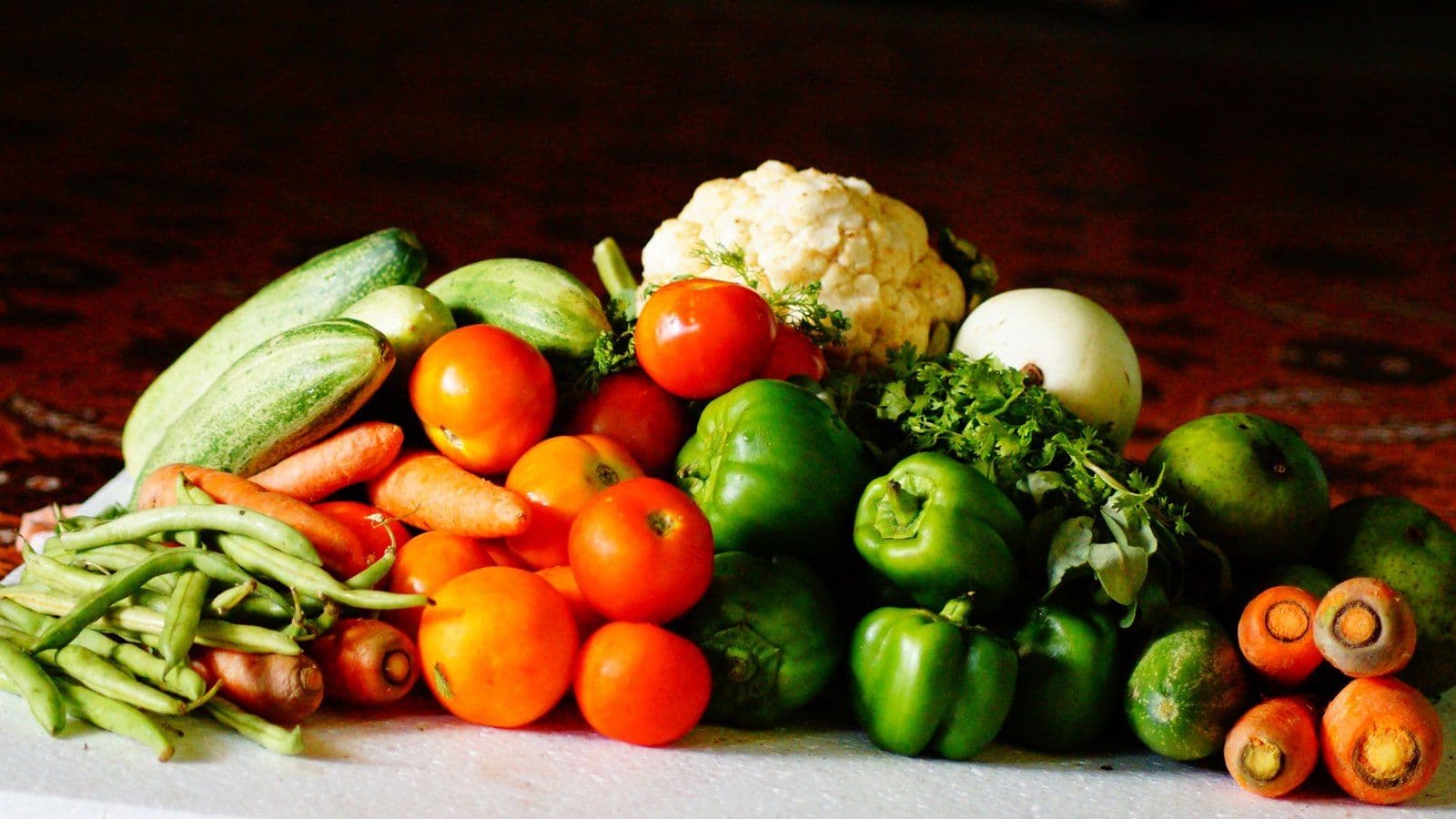
- The real superfoods are in the ordinary aisle of the market: cabbage, broccoli, lentils, nuts, blueberries, green tea, spinach. They have the strongest scientific evidence.
- Bioavailability matters as much as content: curcumin from turmeric is almost non-absorbed without black pepper and fats. B12 from spirulina is in non-bioactive form for humans.
- My best health investment: more diversity in local seasonal fruits and vegetables rather than overpriced exotic powders.
- Certain superfoods have real benefit as a supplement: turmeric + black pepper, chia seeds, spirulina (for proteins). They deserve their place as a complement to a varied diet, not as a replacement.