Few health topics are as shrouded in stigma as weight. Overweight and obesity are often wrongly reduced to a question of individual will. However, these are multifactorial states, with real health consequences, but also real causes that go beyond simple personal control. Understanding them without stigmatizing is the condition for effective prevention.
1. Health definitions
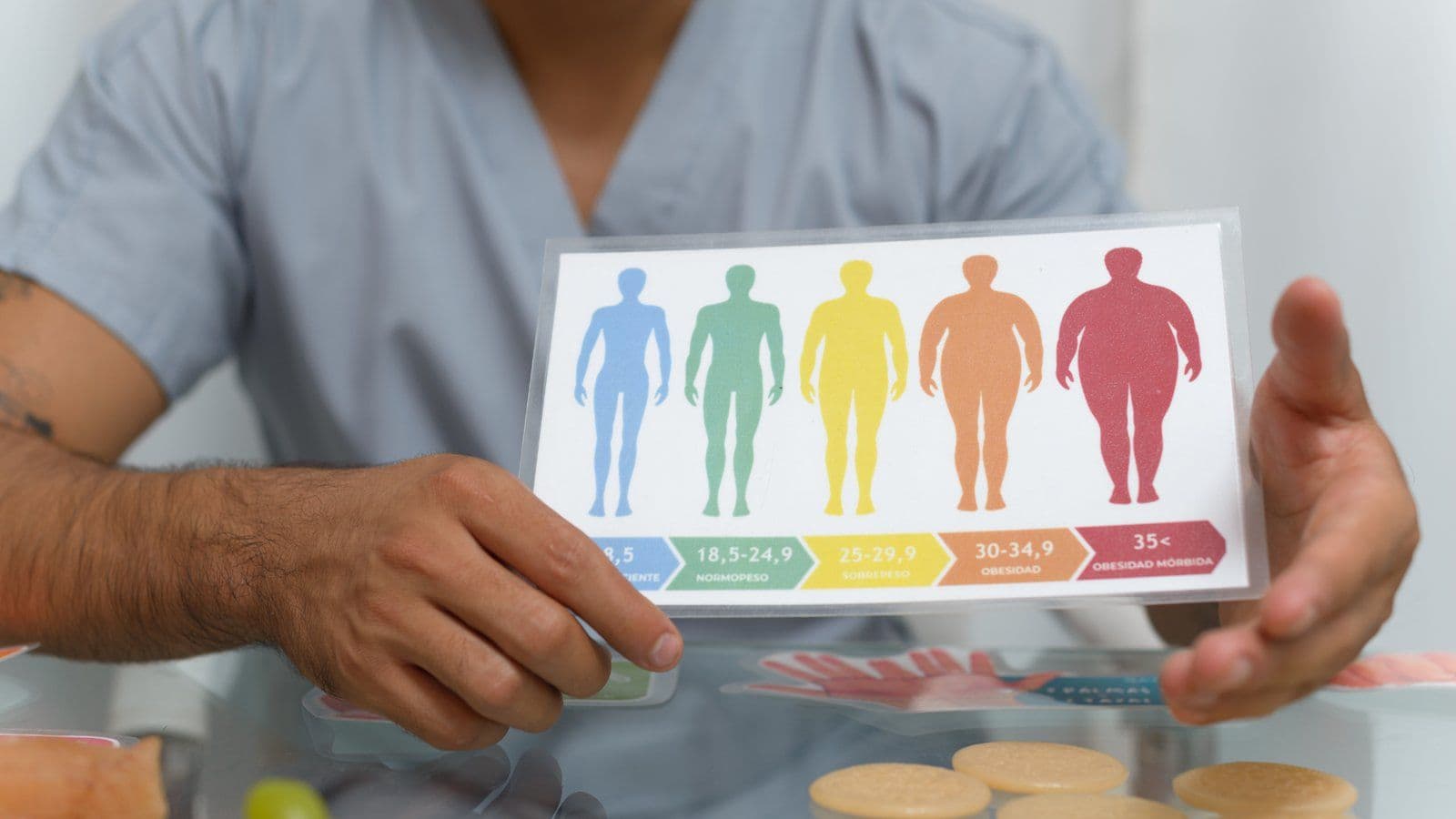
Overweight and obesity correspond to excess fat mass which can have an impact on health. We identify them in particular by BMI and waist circumference, while keeping in mind the limits of these tools. These are medical questions, not aesthetic ones.
2. Multiple causes
Obesity results from a set of interacting factors: genetics, hormones, environment, diet, sedentary lifestyle, sleep, stress, social context, certain treatments. Reducing this to “will” alone is inaccurate and unfair.
| Factor type | Examples |
|---|---|
| Biological | Genetics, hormones, metabolism |
| Environmental | Food supply, sedentary lifestyle |
| Psychosocial | Stress, sleep, life context |
3. Health issues
Excess fat, especially abdominal fat, increases the risk of diabetes, hypertension, cardiovascular and joint diseases. This is what justifies medical attention, based on health and not aesthetic standards.
4. Act without stigmatizing
Weight stigma is harmful: it degrades well-being, discourages and can even make the situation worse. A caring approach, focused on health and not appearance, promotes lasting changes.
- Talk about health rather than appearance
- Value progress, not perfection
- Rely on professional support
Appropriate medical support, respectful and without judgment, is the best path. Every person deserves to be supported, not judged.
💡 tips to remember
- Overweight and obesity are health issues, not morals or aesthetics.
- Obesity results from multiple factors (genetics, hormones, environment, stress, sleep): reducing it to “will” is inaccurate.
- Excess fat, especially abdominal fat, increases the risk of diabetes, hypertension and diseases cardiovascular.
- Weight-related stigma is harmful: it discourages and can make the situation worse.
- A caring approach, centered on health and progress rather than appearance, promotes lasting changes.