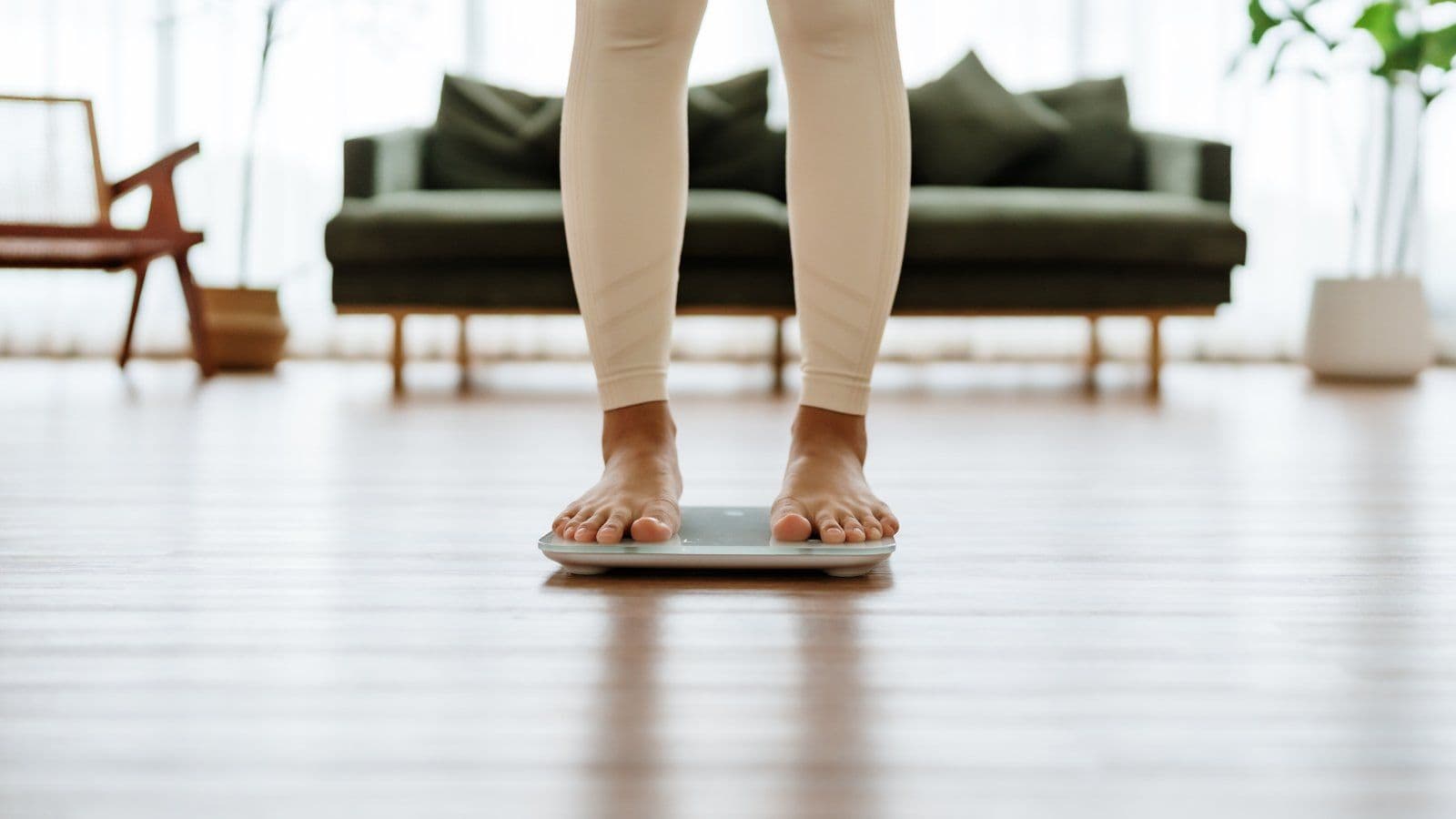
Calculating BMI is accessible to everyone, and many tools offer it in one click. But a figure delivered without nuance can worry, make people feel guilty or mislead. Knowing how to calculate your BMI is good; knowing how to interpret it accurately and kindly is better.
1. How to calculate your BMI
The formula is simple: weight in kilos divided by height in meters, squared. For example, for a 70 kg person measuring 1.75 m: 70 ÷ (1.75 × 1.75) ≈ 22.9. The result is then located in the reference grid.
2. Interpret with nuance
The BMI grid was established for adults, between approximately 18 and 65 years old. It does not apply as is to children (who have their own curves), the elderly, pregnant women or very muscular athletes. Context always matters.
| Situation | Interpretation precaution |
|---|---|
| Children / teen | Use the curves of growth |
| Elderly person | Thresholds to adapt |
| Muscular sportsman | BMI can overestimate fat |
| Pregnancy | Grid not applicable |
3. Avoid the judgment trap
A BMI out of range is not a moral defect. Weight is the result of multiple factors, many of which are beyond our control (genetics, hormones, environment, life history). Judging yourself harshly is counterproductive and can be detrimental to well-being.
4. Make it a tool for dialogue
The BMI is more useful as a starting point for reflection than as a verdict. If there is a question, it is better to talk to a professional who will put the figure into a global vision of health, without stigma.
Kindness towards oneself is an ally of health: it promotes lasting changes, where guilt is exhausting.
If you have concerns about weight or diet, a health professional can offer appropriate, non-judgmental support.
💡 tips to remember
- BMI is easily calculated: weight in kilos divided by height in meters squared.
- The BMI grid is valid for adults: it does not apply as is to children, the elderly, pregnant women or muscular athletes.
- A BMI outside the benchmarks is not a moral defect: weight depends on multiple factors that escape by will alone.
- Judging yourself harshly is counterproductive: kindness towards yourself promotes lasting changes.
- BMI is a starting point for dialogue with a professional, not a verdict: in case of concern, appropriate support exists.