The body mass index, or BMI, is the most used tool to assess body size. Simple to calculate, it gives a first reference on weight in relation to height. But it is often overinterpreted, as if it alone sums up the state of health. Let's take stock of what it brings, and its limits.
1. What is BMI?
BMI is calculated by dividing weight (in kilos) by height (in meters) squared. It allows you to place your body size in a reference grid established in adults. It is a population indicator, useful for identifying situations to monitor.
| IMC | Interpretation (adult) |
|---|---|
| < 18.5 | Lightness |
| 18.5 – 24.9 | Normal build |
| 25 – 29.9 | Overweight |
| ≥ 30 | Obesity |
2. What the BMI can identify
At a population level, BMI is correlated with the risk of certain diseases: a high BMI is accompanied on average by an increased risk of diabetes, hypertension or cardiovascular diseases. This is why it remains a useful screening tool.
3. What the BMI doesn't say
BMI does not distinguish fat mass from muscle mass: a very muscular athlete can have a high BMI without excess fat. It also does not provide information on the distribution of fat, although it is decisive. Finally, it says nothing about lifestyle or physical condition.
4. A landmark among others
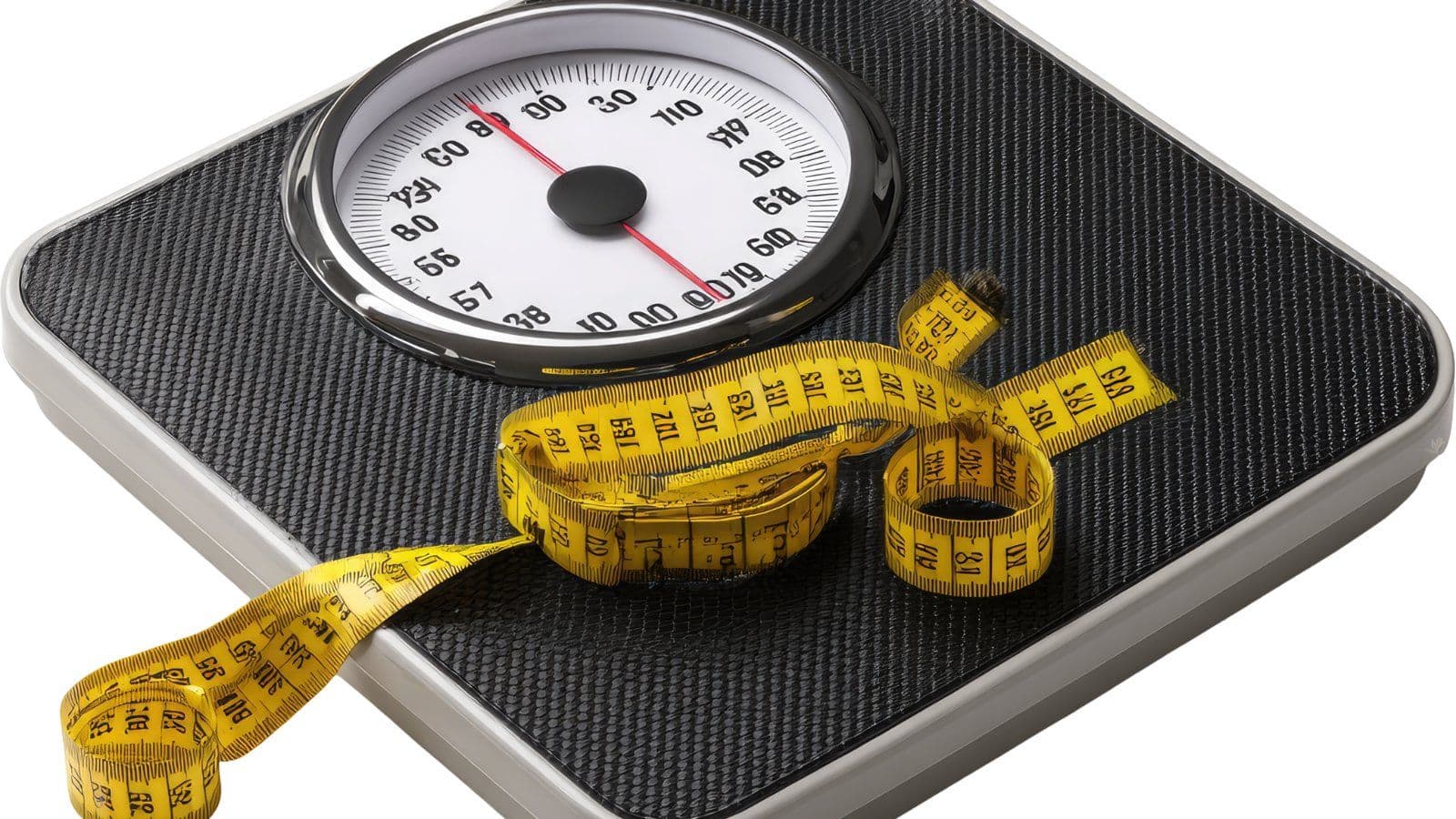
The BMI benefits from being supplemented by other indicators, such as waist circumference, and above all by a global vision of health: diet, physical activity, assessments. It should never become a value judgment or a source of guilt.
Used correctly, the IMC is a starting point for dialogue with a professional, not a verdict. Health is not just a number.
💡 tips to remember
- BMI is calculated by dividing weight by height squared: it is a population benchmark, not an individual verdict.
- At a population level, a high BMI is accompanied on average by an increased risk of diabetes, hypertension and cardiovascular disease.
- BMI does not distinguish fat mass from muscle mass: a muscular athlete can have a high BMI without excess fat.
- It says nothing about fat distribution, lifestyle or physical condition.
- The BMI is a starting point for talking to a professional, to be completed by other benchmarks: health is not just a number.