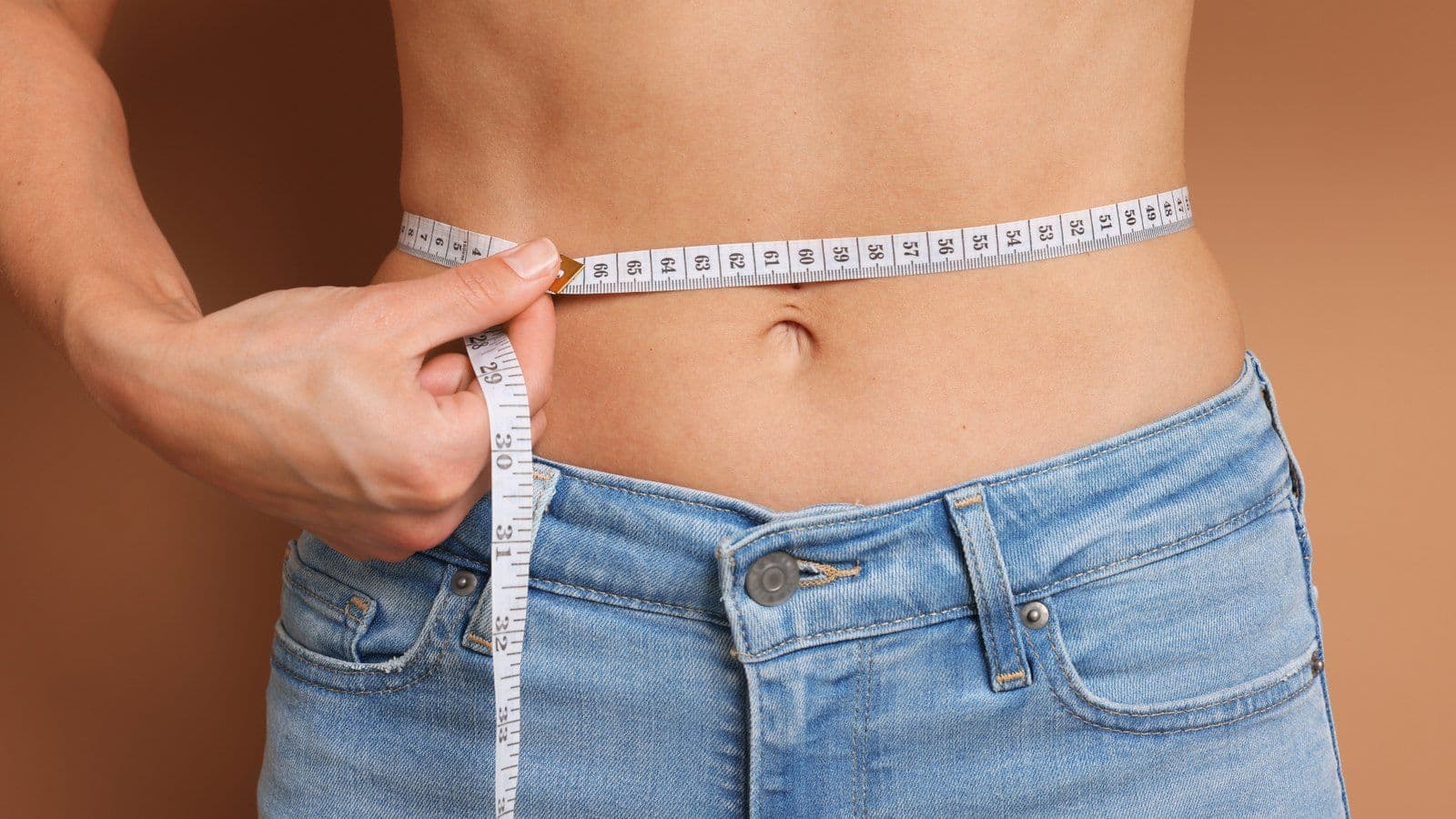
We weigh ourselves willingly, we rarely measure our waistline anymore. However, it is a valuable indicator because it reflects abdominal fat, which is most linked to health risks. Simple, quick and free, it completes the BMI and refines the assessment. You still need to know how to measure and interpret it.
1. Why belly fat matters
Not all fats are equal. Abdominal fat, especially that surrounding organs (visceral fat), is metabolically active and associated with increased risk of diabetes, hypertension, and cardiovascular disease. The waistline is a good reflection of this.
2. How to measure it correctly
The measurement is taken on an empty stomach, standing, halfway between the last rib and the top of the hip, at the end of expiration, without tightening the tape. The regularity of the method matters to monitor its evolution over time.
- Stand relaxed
- Place the tape halfway between the ribs and hips
- Measure at the end of expiration, without compressing
3. Which thresholds should be retained?
| Alertness threshold (benchmark) | |
|---|---|
| Woman | ≥ 80 cm |
| Female (high risk) | ≥ 88 cm 13px;border:1px solid |
| Men | ≥ 94 cm |
| Man (risk high) | ≥ 102 cm |
These thresholds are indicative and vary according to the recommendations. They signal vigilance, not a diagnosis.
4. An indicator to combine
Waist size takes on its full meaning associated with BMI and other risk factors. A high waistline, even with a normal BMI, deserves attention. Conversely, a waist measurement within the benchmarks is rather reassuring.
Simple to integrate into monitoring, waist circumference helps to better understand metabolic risk. Talking about it with your doctor allows you to put it into a global perspective.
💡 tips to remember
- Waist measurement reflects abdominal fat, which is most associated with the risk of diabetes, hypertension and cardiovascular disease.
- I measure it standing, halfway between the last rib and the top of the hip, at the end of exhalation, without squeezing.
- The alertness thresholds are approximately 80 cm in women and 94 cm in men: they signal vigilance, not a diagnosis.
- A high waist circumference, even with a normal BMI, deserves attention.
- The waist measurement complements the BMI and other risk factors: to be considered in an overall vision with your doctor.