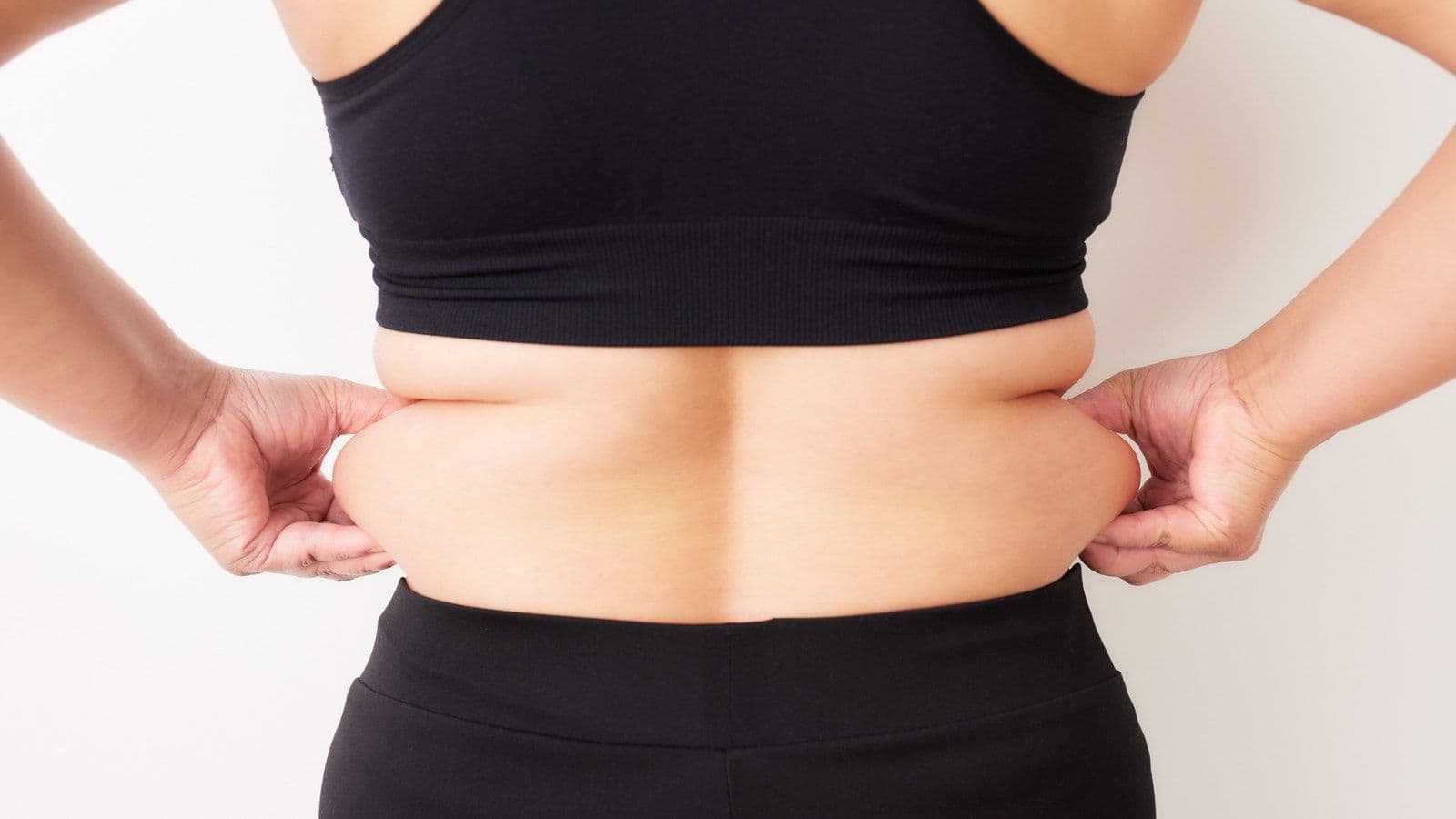
We often associate excess fat with what is visible under the skin. However, the fat of greatest concern for health is invisible: visceral fat, lodged deep around the abdominal organs. Understanding its role explains why waist size matters as much as weight.
1. Two very different fats
The body stores fat in two places: under the skin (subcutaneous fat) and around the organs (visceral fat). The first is above all a reservoir of energy. The second is metabolically active and releases substances that disrupt the body.
| Subcutaneous | Visceral | |
|---|---|---|
| Location | Under the skin | Around organs |
| Visibility | Visible, palpable | Invisible |
| Health impact | Moderate | High |
2. Why it is dangerous
Visceral fat promotes chronic inflammation, insulin resistance and lipid imbalances. It is strongly linked to the risk of type 2 diabetes, hypertension and cardiovascular disease. Its excess can concern people who do not seem overweight.
3. The paradox of “normal” weight
You can have a normal BMI and excess visceral fat, especially if you are sedentary and have low muscle mass. This is why waist circumference is a valuable indicator, capable of identifying this risk that the scale does not show.
4. How to reduce it
The good news: visceral fat responds well to lifestyle changes. Physical activity, in particular, melts it effectively, as does a balanced diet, good sleep and reducing stress.
- Move regularly (endurance and strengthening)
- Limit fast sugars and ultra-processed products
- Preserve your sleep and manage your stress
- Reduce alcohol
Acting on visceral fat means acting directly on cardiovascular and metabolic risk. Every effort counts.
💡 tips to remember
- Visceral fat surrounds the organs: invisible, it is much more dangerous than subcutaneous fat.
- It promotes inflammation, insulin resistance and lipid imbalances, linked to diabetes and cardiovascular disease.
- You can have a normal BMI and a excess visceral fat: the waistline identifies this risk that the scale does not show.
- Visceral fat responds well to physical activity, which melts it effectively.
- Balanced diet, good sleep, stress management and reduction of alcohol complete the action: every effort counts.