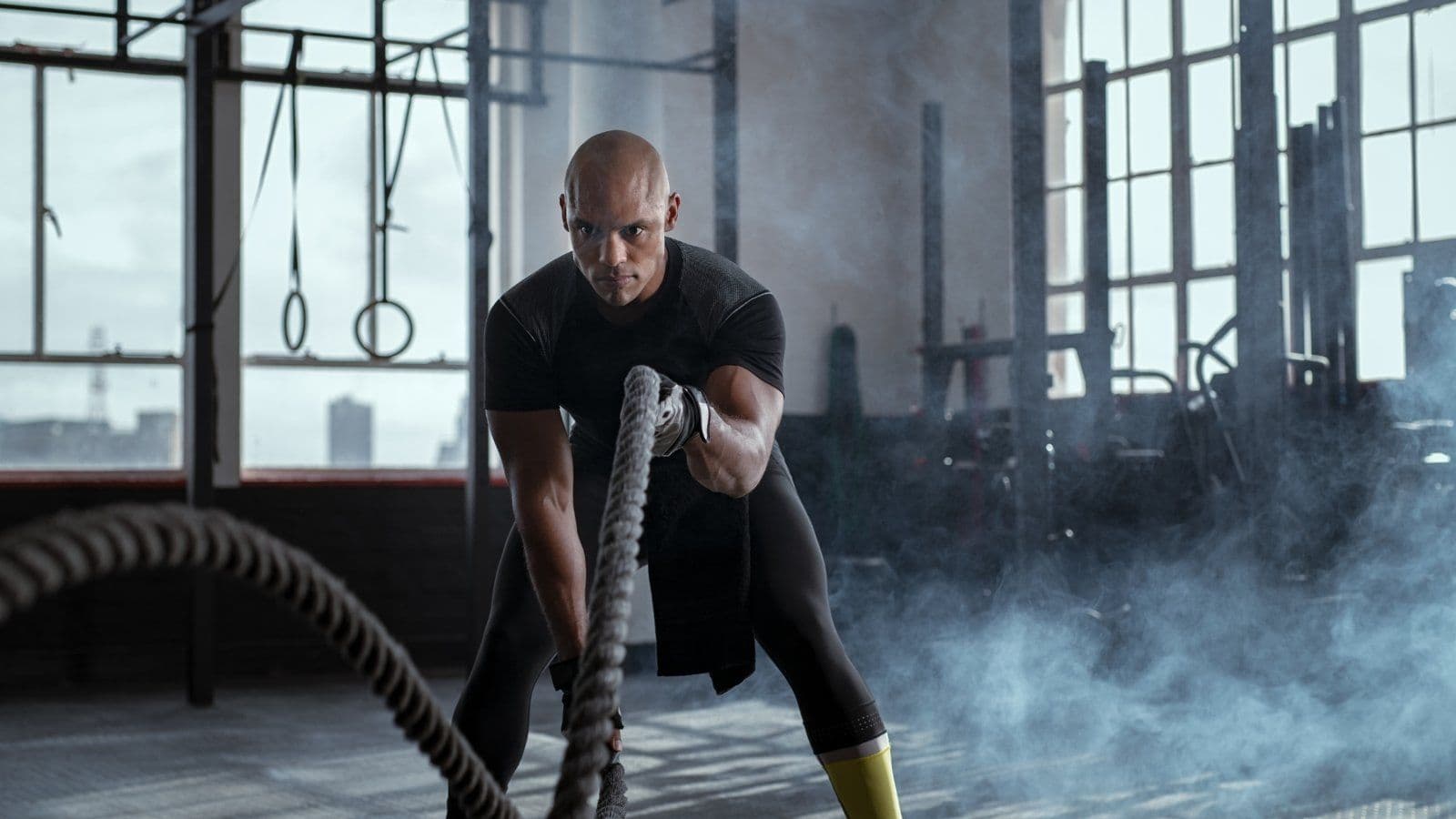
When I hear martial arts, I perhaps think of violence or a discipline reserved for young athletes. This image is as reductive as it is false. Martial arts and combat sports are practiced today by millions of adults of all ages, with a view to health, self-control and body-mind balance, not competition.
Research into the benefits of martial arts for overall health has grown considerably over the past twenty years. The conclusions are remarkable: these disciplines combine in the same learning space the benefits of cardio, muscle strengthening, coordination, mindfulness and social connection, a rare combination which explains their particularly positive effects on mental health and self-confidence.
1. An overview of disciplines: choose according to your profile
| Discipline | Type of effort | Intensity | Ideal for | Beginner accessibility |
|---|---|---|---|---|
| Tai chi | Slow, fluid movements, coordination, balance | Low to moderate | Seniors, stress, balance, concentration | Very accessible |
| Martial yoga (Qi Gong) | Gentle energy exercises, breathing, flexibility | Low | Recovery, seniors, chronic stress | Very accessible |
| Judo | Throws, groundwork, intense physical work | Moderate to high | Strength, confidence, social connection | Accessible with joint precautions |
| Karate / Taekwondo | Striking techniques, kata (sequences) | Moderate to high | Discipline, coordination, confidence | Accessible |
| Boxing (recreational, not competitive) | Striking a bag or with a protected partner | Moderate to high | Stress, confidence, cardio, letting off steam | Accessible in adapted classes |
| Brazilian jiu-jitsu (BJJ) | Groundwork, submissions, control techniques | Moderate to high | Strategy, perseverance, humility | Accessible with a learning curve |
| Aikido | Gentle throwing techniques, neutralisation | Low to moderate | Coordination, fluidity, non-violence | Very accessible |
2. Physical benefits: a complete activity
Martial arts and combat sports are remarkably complete physical activities that simultaneously require all components of physical fitness:
- ●Cardiovascular endurance: a boxing or judo class (45-60 min) keeps the heart rate in the moderate to vigorous zone for most of the session, an excellent cardio stimulus.
- ●Strength and muscular strengthening: projections, katas, defensive postures and ground work intensely solicit the muscles of the trunk, upper and lower limbs.
- ●Coordination and proprioception: learning martial techniques develops an exceptional level of coordination and body awareness, particularly beneficial for preventing falls in seniors.
- ●Flexibility and mobility: warm-ups and dodging, throwing and ground techniques develop joint flexibility in a functional way.
- ●Dynamic balance: maintaining balance in unstable situations (projection, combat) is one of the skills best developed by martial arts.
3. The benefits on mental and emotional health
This is probably the most remarkable dimension of martial arts: their effects on mental health and personal development go well beyond what we observe in other sports:
- ●Management of stress and emotions: a meta-analysis (Vertonghen & Theeboom, 2010) on martial arts and mental health concludes that it has significant effects on the reduction of anxiety, anger management and emotional regulation.
- ●Self-confidence and self-image: the progressive mastery of complex techniques, the serene confrontation with physical contact and progression by belts or levels build deep and lasting self-confidence.
- ●Discipline and resilience: martial arts are fundamentally schools of perseverance. Learning difficult techniques, accepting frustration, coming back after failures, these learnings are transferred to all areas of life.
- ●Humility: being thrown to the ground, submitted or dominated by a more experienced practitioner is a unique lesson in humility. Martial arts teach that mastery is a never-ending path, and that everyone has something to learn.
- ●Presence and full awareness: martial practice requires total presence. The mind that wanders in martial arts results in a failed technique. This requirement for presence is a form of active meditation.
4. Martial arts and seniors: a particularly beneficial combination
Tai chi is the best-studied martial art among seniors, with an impressive scientific body of work:- Prevention of falls: a Cochrane meta-analysis (2012) confirms a reduction of 19 to 46% in the risk of falls among seniors practicing tai chi regularly, one of the best results for all interventions combined.
- ●Cardiovascular health: tai chi reduces blood pressure by 5 to 10 mmHg in hypertensive people, an effect comparable to certain medications.
- ●Cognition and prediction of dementia: randomized studies show that tai chi improves cognitive functions and slows cognitive decline in elderly people at risk.
- ●Mental health: significant reduction in depression and anxiety among practicing seniors. The social aspect of the courses and the meditative dimension contribute to this benefit.
Beyond tai chi, senior judo, aikido and gentle martial arts are excellent options for people over 60 wishing to combine the physical and mental benefits of martial arts.
5. How to start martial arts as an adult
One of the most common obstacles for adults is the fear of being too old to start. This fear is unfounded: most martial arts welcome adult beginners of all ages and levels, in a caring and non-competitive atmosphere.
- ●Choose according to your objectives and constraints: if I have knee or shoulder problems, tai chi or aikido are more suitable than judo or boxing. If I'm mainly looking for a release and intense cardio, recreational boxing or karate will be better suited.
- ●Take a trial class: Most clubs offer one or more free trial classes. The atmosphere of the dojo or club is as important as the discipline itself, I must feel welcome and respected there.
- ●Progression is the pleasure: martial arts have no plateau. Even after years of practice, there is always something to perfect, to learn, to deepen. This permanent progression maintains motivation over the very long term.
A health check before starting a martial art allows you to ensure that the chosen activity is adapted to your cardiovascular and joint condition, and to identify any precautions to take.
💡 Tips to remember
- Tai chi reduces the risk of falls of 19 to 46% among seniors, one of the best results of all preventive interventions tested, medicinal or not.
- Martial arts are schools of perseverance and humility. The progressive mastery of complex techniques builds deep self-confidence which transfers to all areas of life.
- Recreational boxing or gentle martial arts are accessible to all ages, without a competitive objective. The caring atmosphere of the dojo and the progression through levels are exceptional motivational drivers.
- Martial arts require total presence at the time of practice, it is a form of active meditation that reduces anxiety and ruminations as effectively as formal meditation.
- A health check before starting a martial art allows you to choose the discipline best suited to your cardiovascular and joint profile, and to identify the necessary precautions.
Further reading