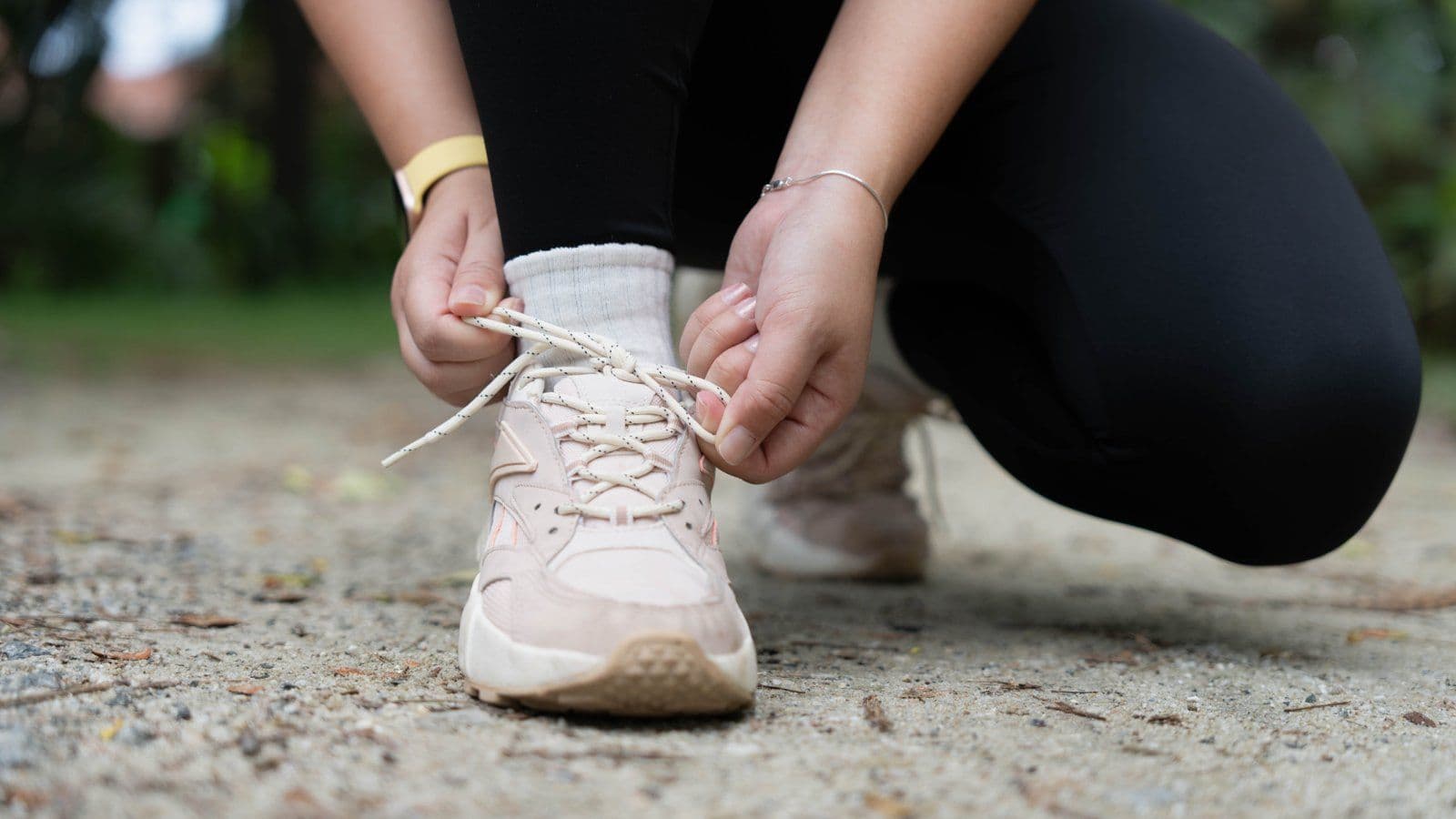
September is coming, the days are getting shorter, the cold is setting in, the sofa is becoming more and more welcoming. My motivation for sport gradually collapses. It's normal, it's even predictable. The seasonality of sports motivation is a biologically and psychologically documented phenomenon. But it is also an obstacle that we can anticipate and overcome with the right strategies.
Winter is precisely the period when physical activity is most beneficial: it strengthens immunity to winter infections, fights seasonal depression, maintains metabolism, preserves sleep and protects mental energy. Giving up your sporting habits in winter means depriving yourself of the most effective tool to get through this period in good shape.
1. Why motivation drops in winter: biological causes
The winter drop in motivation is not a question of willpower, it is a real biological response to environmental changes:
- ●Reduction of natural light: Shorter days reduce exposure to natural light, which reduces the production of serotonin (neurotransmitter of motivation and mood) and increases melatonin (sleep hormone). The result: less energy, more sleepiness, less enthusiasm.
- ●The cold: low temperatures increase psychological resistance to exercise, the anticipation of discomfort is a powerful brake. Paradoxically, once moving, the cold reduces the perception of effort and improves performance.
- ●Reduction of vitamin D: Less exposure to sunlight in winter leads to frequent vitamin D deficiency, associated with fatigue, lowered mood and reduced muscle strength.
- ●Circadian hormonal changes: Longer nights modify cortisol and melatonin cycles, reducing the morning momentum that usually facilitates sports practice.
Understanding these mechanisms allows us to anticipate them and implement appropriate strategies, rather than blaming ourselves for a lack of willpower which is in reality only a normal biological response.
2. The specific benefits of exercising in winter
Staying active in winter is not just a question of maintenance, winter exercise has specific benefits that make it particularly valuable:
| Winter benefit | Mechanism | Practical impact |
|---|---|---|
| Strengthened immunity | Moderate exercise increases the activity of NK cells and lymphocytes, the first line of defence against winter viruses | 10 to 30% reduction in the risk of respiratory infections |
| Counters seasonal depression (SAD) | Exercise stimulates serotonin and dopamine, whose levels are lowered by lack of light | Effectiveness comparable to light therapy for mild forms |
| Maintaining metabolism | Prevents the winter metabolic slowdown and seasonal weight gain | Maintaining body weight and metabolic profile |
| Thermogenesis | Exercising in the cold increases calorie expenditure by 10 to 20% compared with a neutral temperature | Additional metabolic benefit unique to the season |
| Energy and sleep | Maintains sleep quality and energy levels despite seasonal circadian changes | Better resilience to winter fatigue |
3. Strategies to maintain consistency in winter
The key to winter regularity is not willpower, it is adaptation to the environment and habits. Here are the most effective strategies:
- ●Adapt, do not delete: temporarily replace outdoor running with the treadmill, indoor yoga or swimming. The important thing is to maintain the frequency of practice, the form of activity can change depending on the season.
- ●Reduce the viable minimum: define your winter version of physical activity, shorter, gentler, more interior. 20 minutes of gentle exercise 3 times a week maintains physiological gains and behavioral habits.
- ●Morning exposure to light: going out for a 15 to 20 minute walk in the morning, even in gray weather, is the most effective action against reduced winter motivation. Morning light synchronizes the biological clock and boosts serotonin.
- ●Heat as a lever: dressing correctly (layers: thermal, fleece, windproof) radically transforms the experience of outdoor sport. The majority of resistance to cold is psychological and disappears after the first few minutes of exercise.
- ●Register for something: a group course, a winter sports challenge, a race in January or February. Social commitment and concrete objective are the two most powerful drivers of regularity when intrinsic motivation is at half mast.## 4. Indoor activities to replace summer sports
Winter is also an opportunity to discover or deepen physical activities that the summer months make less necessary:
- ●Muscle strengthening at home: it's the ideal season to work on strength. Squats, push-ups, cores, lunges, a bodyweight program of 20 to 30 minutes per session requires no equipment.
- ●Yoga and Pilates: practices that work particularly well in winter due to their soothing and introspective aspect, beneficial for the back, posture and management of winter stress.
- ●Swimming in an indoor pool: excellent cardio training, accessible all year round and particularly pleasant in winter with the warmth of the water.
- ●The exercise bike or the treadmill: investing in basic equipment allows you to maintain your cardio without going out. Velosolex, spinning or connected bike applications (Zwift) make the session more engaging.
- ●Dancing, indoor sports, martial arts: winter is the ideal time to try a new activity, dance classes, self-defense, recreational boxing, indoor climbing. Novelty boosts motivation.
5. Outdoor sport in winter: counterintuitive but beneficial
Paradoxically, outdoor sport in winter produces additional benefits that indoor sport cannot offer:
- ●Natural light therapy: even on cloudy days, exterior light is 10 to 100 times more intense than interior light. 20 minutes of walking outdoors is enough to synchronize the biological clock.
- ●The invigorating effect of cold: moderate exposure to cold stimulates the nervous system, increases the production of norepinephrine (alertness, energy) and activates thermogenic brown fat.
- ●Nature in winter: winter landscapes have their own calming effects, studies show that exposure to nature in winter reduces cortisol and ruminations, even in gray weather.
A health check-up at the start of winter is the ideal opportunity to assess your seasonal health indicators, vitamin D, metabolic status, physical condition, and to adapt your physical activity program to get through the winter in great shape. 0">
💡 Tips to remember
- Low winter motivation is not a lack of willpower, it is a biological response to lack of light and cold. Anticipating it with adapted strategies is much more effective than forcing yourself.
- 20 minutes of walking outdoors in the morning, even in gray weather, is the most effective gesture against the decline in winter motivation. Natural light boosts serotonin even in winter.
- The winter minimum, 20 minutes of gentle exercise 3 times a week, is enough to maintain physiological gains and behavioral habits until spring.
- Cold increases calorie expenditure by 10 to 20% and stimulates the production of norepinephrine. Outdoor sport in winter is more beneficial metabolically than in summer.
- A health check-up at the start of winter allows you to assess your vitamin D status, your metabolic indicators and your physical condition, and to define a suitable program to get through the season in good shape.