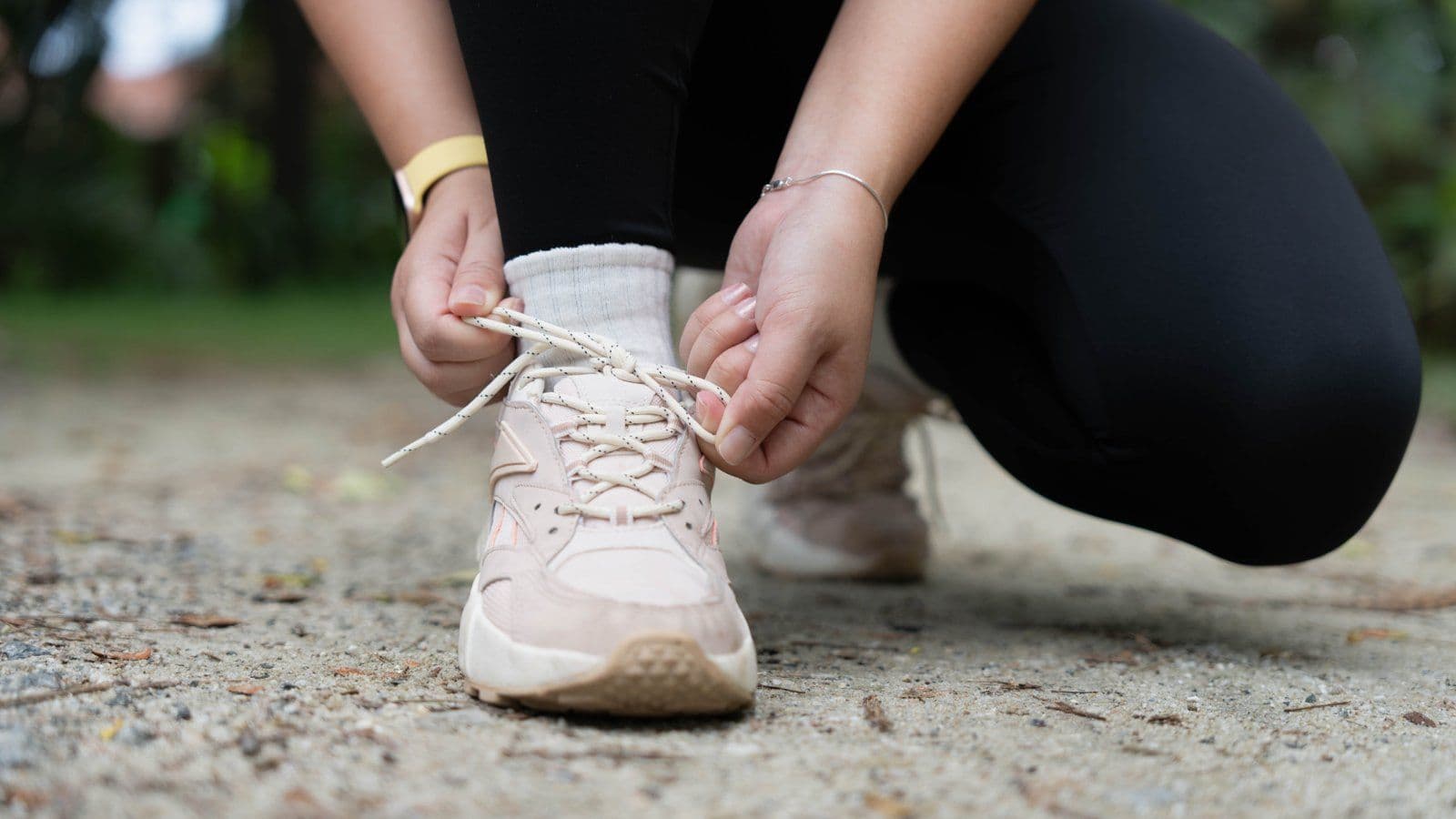
When pregnant, I may have heard contradictory advice: don't exert too much effort, rest, avoid running. And perhaps also the opposite advice: keep moving, it's good for you and the baby. Who to believe? The recommendations of global gynecology-obstetrics societies are clear: unless medically contraindicated, moderate physical activity is not only safe during pregnancy, it is strongly recommended.
Pregnancy is a period of extraordinary physiological transformation. And adapted physical activity supports these transformations by reducing discomfort, protecting against several complications, preparing the body for childbirth and supporting mental well-being. Here is a comprehensive guide, based on current recommendations and research data.
1. The benefits of physical activity during pregnancy
| Benefit | Scientific evidence | Impact for mother and baby |
|---|---|---|
| Prevention of gestational diabetes | Very strong | 30 to 40% risk reduction, one of the most common complications of pregnancy |
| Prevention of pre-eclampsia | Moderate to strong | 40% risk reduction in women active in early pregnancy |
| Weight gain control | Strong | Limits excessive weight gain, eases the return to pre-pregnancy weight |
| Reduced low back pain | Strong | Very common in pregnancy (up to 70% of women), improved by core strengthening and stretching |
| Mental well-being and mood | Strong | Reduced antenatal anxiety and depression, both risk factors for postnatal depression |
| Preparing for childbirth | Moderate | Better endurance during labour, easier recovery, lower risk of unplanned caesarean |
| Baby's health | Moderate | Better metabolic profile in the newborn, possible benefit for the neonatal microbiota |
2. Official recommendations
The recommendations of the main learned societies (ACOG, American College of Obstetricians and Gynecologists, CNGOF in France, WHO) are convergent:
- ●Recommended volume: 150 minutes of moderate-intensity physical activity per week, the same recommendations as for the general adult population. This goal can be achieved in fractions of at least 10 minutes.
- ●Moderate intensity: the conversation test applies: I must be able to speak without being too out of breath. The target zone is between 60 and 70% of maximum HR. Vigorous intensity is possible for women who are already athletic, under medical supervision.
- ●Maintenance of existing habits: women who were already active before pregnancy can generally maintain their activity by gradually adapting it. Beginners can start with gentle activities in the first trimester.
- ●Frequency: distribute the sessions over the week rather than concentrate them. 5 sessions of 30 minutes are more beneficial and better tolerated than 2 long sessions.
3. The most suitable activities quarter by quarter
| Trimester | Physiological changes | Recommended activities | Precautions |
|---|---|---|---|
| 1st trimester (weeks 1-12) | Marked fatigue, possible nausea, stable centre of gravity | Walking, swimming, prenatal yoga, stationary bike | Listen to your body, do not push through fatigue, ease off if nausea is severe |
| 2nd trimester (weeks 13-26) | Rising energy, visible belly, looser ligaments | Swimming, Nordic walking, prenatal yoga, aqua aerobics, cycling | Avoid activities with a risk of falling or contact, adapt floor exercises |
| 3rd trimester (week 27 to term) | Large belly, breathlessness, altered balance | Swimming, aqua aerobics, walking, chair yoga, gentle stretching | Avoid prolonged lying on the back, reduce intensity, watch for contractions |
4. Activities to avoid and contraindications
The vast majority of physical activities are compatible with a normal pregnancy. Some specific precautions are nevertheless necessary:
- ●To absolutely avoid: contact sports (boxing, contact martial arts), sports with risk of falling (horse riding, alpine skiing, scuba diving after the 1st trimester), exercises in prolonged supine position after 20 weeks (compresses the inferior vena cava).
- ●Practice with caution: activities at high altitude (more than 2,500 m), intense endurance sports (marathon) for unaccustomed women, any exercise producing abdominal pain, contractions or bleeding.
- ●Medical contraindications: multiple pregnancy at risk, placenta previa, risk of premature delivery, premature rupture of membranes, preeclampsia, cervical insufficiency. In these cases, medical advice is essential before any activity.
Warning signals that should lead you to stop exercising and consult: vaginal bleeding, painful contractions, extreme shortness of breath before exercise, chest pain, dizziness, leaking amniotic fluid, pain or swelling of a calf.
5. Physical activity postpartum
Resumption of physical activity after childbirth is a frequent question, and often poorly supported. General recommendations:
- ●In the first 6 weeks: gentle walking is the only activity systematically recommended in the first days postpartum. It promotes vascular recovery, reduces the risk of thrombosis and supports morale.- Perineal rehabilitation: essential before any resumption of activity with impact or abdominal strengthening. The perineum supports all the pressure of these exercises, resuming it too quickly can aggravate urinary and pelvic disorders.
- ●Progressive recovery from 6-8 weeks: active walking, swimming, gentle cycling, postnatal yoga. Wait for the medical green light and the indication for complete perineal rehabilitation before resuming running or intensive bodybuilding.
- ●Listen to your body: fatigue, breastfeeding, lack of sleep and postpartum hormonal changes affect recovery. Kindness to oneself is as important as consistency.
💡 Tips to remember
- Moderate physical activity during pregnancy reduces the risk of gestational diabetes of 30 to 40% and preeclampsia of 40%. It is one of the most effective preventive interventions in pregnancy.
- 150 minutes of moderate activity per week are recommended during pregnancy, the same as for the general population. The conversation test (speaking without being too out of breath) is the best guide to intensity.
- Swimming and aquagym are the activities most suited to the 3rd trimester: the body is in total discharge, heat is evacuated by the water and the risk of falling is reduced. null.
- Perineal rehabilitation is essential before resuming running and weight training after childbirth. Resumption of impacts too quickly without rehabilitation can worsen urinary problems.
- A health check-up at the start of pregnancy makes it possible to identify possible contraindications and to define an adapted and safe physical activity program for the entire duration of the pregnancy.