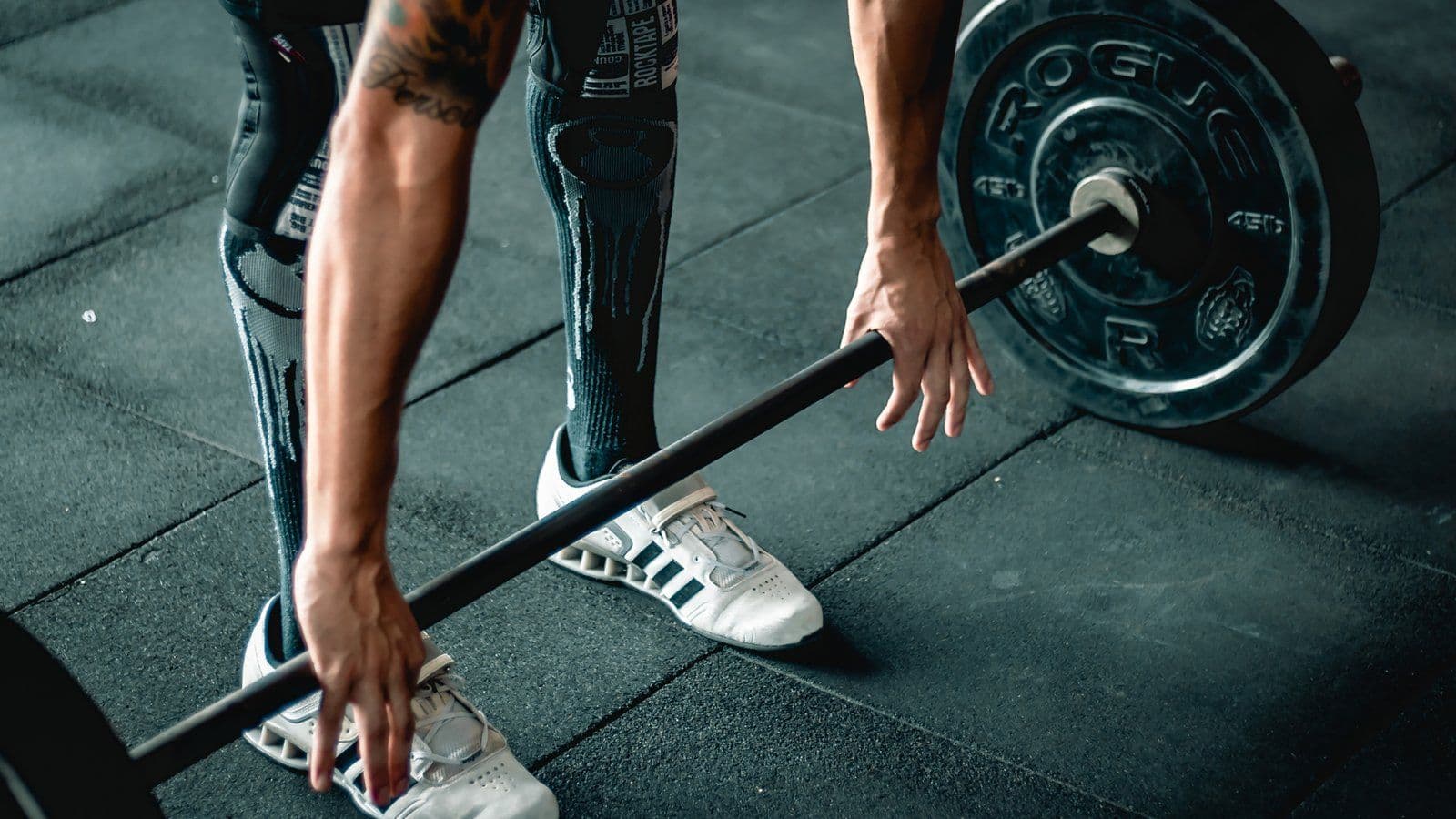
When we talk about building muscle, many imagine heavy dumbbells, intimidating gyms and protein diets. This is an image that is as reductive as it is erroneous. Strength training, any exercise that works the muscles against resistance, is one of the best-researched preventive interventions in modern medicine, beneficial for everyone, at any age.
From the age of 30, the body naturally loses between 0.5 and 1% of muscle mass per year. This process, sarcopenia, accelerates after age 50. The consequences are profound: loss of autonomy, risk of falls, metabolic deterioration. Here's why and how to integrate muscle strengthening into my life.
1. Muscle, much more than a performance tissue
Science over the past twenty years has profoundly revised our understanding of muscle tissue. Muscle is not just a mechanical engine, it is an active endocrine organ that communicates with the rest of the body.
| Role of muscle | Mechanism | Impact on health |
|---|---|---|
| Metabolic regulation | Muscle tissue takes up the majority of glucose after a meal | Prevention of type 2 diabetes, blood sugar control |
| Endocrine organ (myokines) | Contracting muscles release myokines (IL-6, irisin, BDNF) that act on the brain, liver and bones | Anti-inflammatory, neuroprotective, metabolic |
| Protein reserve | Muscle proteins serve as a reserve for making antibodies and repair molecules | Immune resilience, post-illness recovery |
| Bone health | Muscle contractions place mechanical stress on bones, which stimulates densification | Prevention of osteoporosis and fractures |
| Temperature regulation | Muscle is the body's main heat generator | Maintaining core temperature, metabolic health |
2. Sarcopenia: the silent threat of aging
Sarcopenia is the progressive age-related loss of muscle mass and strength. It has been recognized as a disease in its own right by the WHO since 2016. Its consequences are multiple:
- ●Loss of functional autonomy: difficulty carrying shopping, climbing stairs, getting up from the ground
- ●Risk of falls multiplied by 2 to 3 in people with sarcopenia (Cruz-Jentoft et al., 2019)
- ●Risk of hip fracture sharply increases, leading cause of loss of autonomy among seniors
- ●Metabolic deterioration: reduced insulin sensitivity, tendency to gain fat mass
- ●All-cause mortality increased by 20 to 30% in cases of severe sarcopenia
The good news: sarcopenia is largely reversible through muscle strengthening exercise, at any age. Studies have shown significant strength gains in 80 and 90 year old subjects after 8 to 12 weeks of progressive training.
3. Recommendations: when, how much, how?
The WHO recommends muscle strengthening exercises at least 2 times a week for all adults. Here is how to interpret and apply this recommendation:
| Parameter | For beginners | To progress |
|---|---|---|
| Frequency | 2 sessions a week, with at least 48 hours of rest between two sessions targeting the same muscles | 3 to 4 sessions, alternating muscle groups |
| Exercises | 4 to 6 multi-joint exercises (squat, lunge, push-up, plank, row) | Vary the exercises, add isolation exercises |
| Sets / Repetitions | 2 to 3 sets of 10 to 15 repetitions at moderate load | 3 to 4 sets of 8 to 12 repetitions at a higher load |
| Recovery | 60 to 90 seconds between sets | Adjust according to intensity (30 sec to 3 min) |
| Progression | Increase the resistance once 15 repetitions become easy | Principle of progressive overload |
4. Bodyweight strengthening: accessible to all
There is no need to go to the gym or invest in equipment. Body weight is sufficient to start and maintain a satisfactory level in the long term.
- ●Squats and variations: king exercise for the lower limbs (quadriceps, glutes, hamstrings). Adaptable from the chair version to the sautéed version.
- ●Push-ups and variations: work the pectorals, triceps and shoulders. Version on the knees for beginners, classic version then on the feet raised to progress.
- ●Sheathing: the plank and its variants stabilize the deep muscles of the trunk, protect the back and improve posture. 3 sets of 20 to 60 seconds.
- ●Lunges: excellent functional exercise for the lower limbs, balance and coordination. Start static before moving to a walking version.
- ●Pull-ups: for the upper limbs and back. Suspension rings or a pull-up bar mountable in a door frame allow them to be practiced at home.
5. Muscle strengthening and overall health prevention
The benefits of muscle strengthening go well beyond aesthetics. A meta-analysis published in the British Journal of Sports Medicine (Momma et al., 2022) covering 1.5 million people concludes that practicing strengthening twice a week is associated with:
- ●17% reduction in all-cause mortality
- ●19% reduction in cardiovascular mortality
- ●12% reduction in cancer risk
- ●17% reduction in the risk of type 2 diabetesMuscle strengthening is not an optional complement to cardio, it is an independent and essential pillar of health prevention. A health check-up allows you to assess your muscle mass, strength and associated metabolic indicators.
💡 Tips to remember
- From the age of 30, I lose between 0.5 and 1% muscle mass per year. Strengthening twice a week is the only way to counter this decline and preserve my autonomy.
- The muscle is an active endocrine organ: it releases protective myokines, consumes 80% of post-prandial glucose and constitutes an essential protein reserve for immunity.
- Body weight is enough for effective strengthening: squats, push-ups, cores, lunges and pull-ups activate all major muscle groups without equipment.
- Practicing strengthening twice a week is associated with a 17% reduction in all-cause mortality and a 19% reduction in cardiovascular mortality.
- A health check-up allows me to evaluate my muscle mass, my strength and my metabolic indicators, and to define the most relevant reinforcement objectives for my profile.
Further reading