Blood sugar monitoring is at the heart of diabetes management. The tools have evolved a lot: from the drop of blood on the fingertip to the sensors that measure glucose continuously, including glycated hemoglobin which gives an overall picture. Everyone has their role. A little guide to finding your way around.
1. Self-monitoring using a lancing device
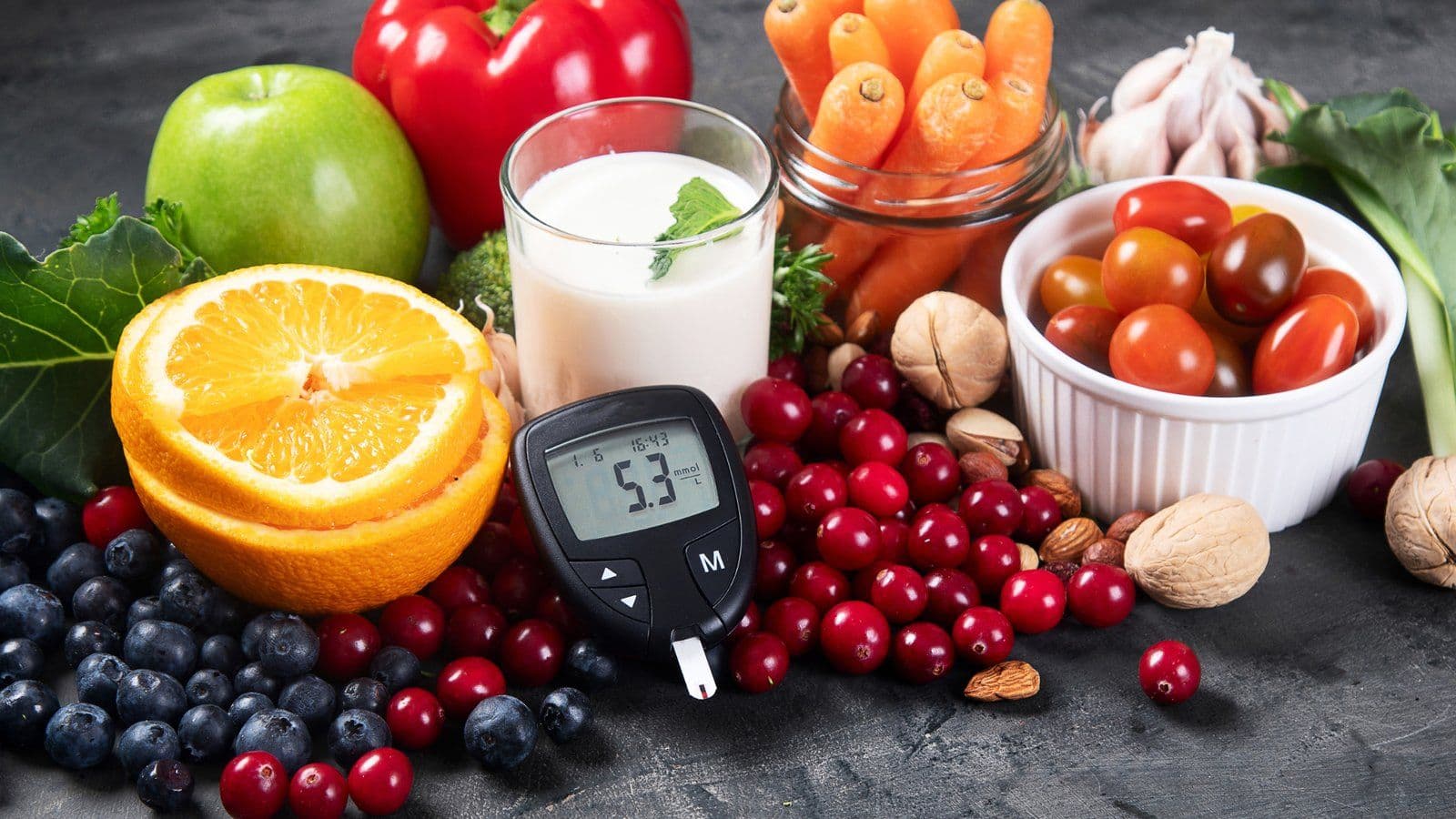
The traditional method involves taking a small drop of blood from your fingertip and measuring it with a blood glucose meter. It gives an instantaneous value, useful for adjusting treatment, detecting hypoglycemia or understanding the effect of a meal.
2. Continuous glucose sensors
The sensors, worn on the skin, measure glucose continuously and display trends. They avoid repeated injections and allow us to see the evolution day and night, which helps to better understand and anticipate variations.
| Tool | What it measures | Interest |
|---|---|---|
| Lancing device | Instant Blood Glucose | Precise, punctual |
| Continuous sensor | Day/night trends | View overall, less pitting |
| HbA1c | 3-month average | Overall control assessment |
3. Glycated hemoglobin (HbA1c)
HbA1c reflects the average blood sugar level over the past two to three months. Measured by a blood test, it is the main indicator of diabetes control over time. The doctor sets a goal adapted to each person.
4. Additional tools
These methods do not oppose each other: they complement each other. Self-monitoring and sensors provide daily details, HbA1c gives the overview. Their use depends on the type of diabetes and the treatment.
Monitoring your blood sugar levels carefully means giving yourself the means to adjust and communicate with your healthcare team. The terms are always decided with the doctor.
💡 tips to remember
- The lancing device gives instant blood sugar readings, useful for adjusting treatment, spotting hypoglycemia or understanding the effect of a meal.
- Continuous glucose sensors display day and night trends and avoid repeated pricks.
- HbA1c reflects the average blood sugar of 2 to Last 3 months: this is the key indicator of control over time.
- These tools are complementary: daily detail with self-monitoring, overview with HbA1c.
- Monitoring methods depend on the type of diabetes and are always decided with the doctor.