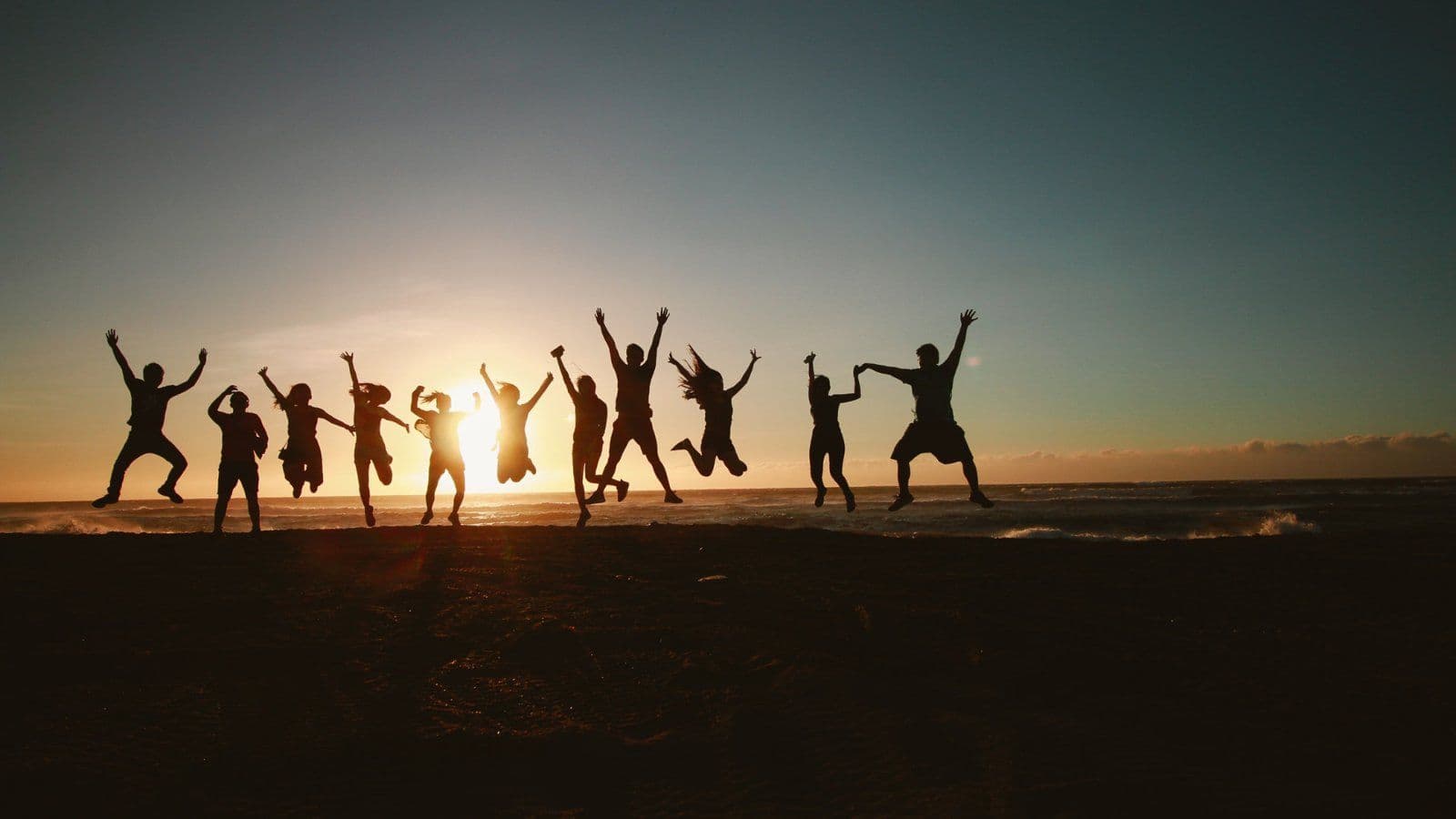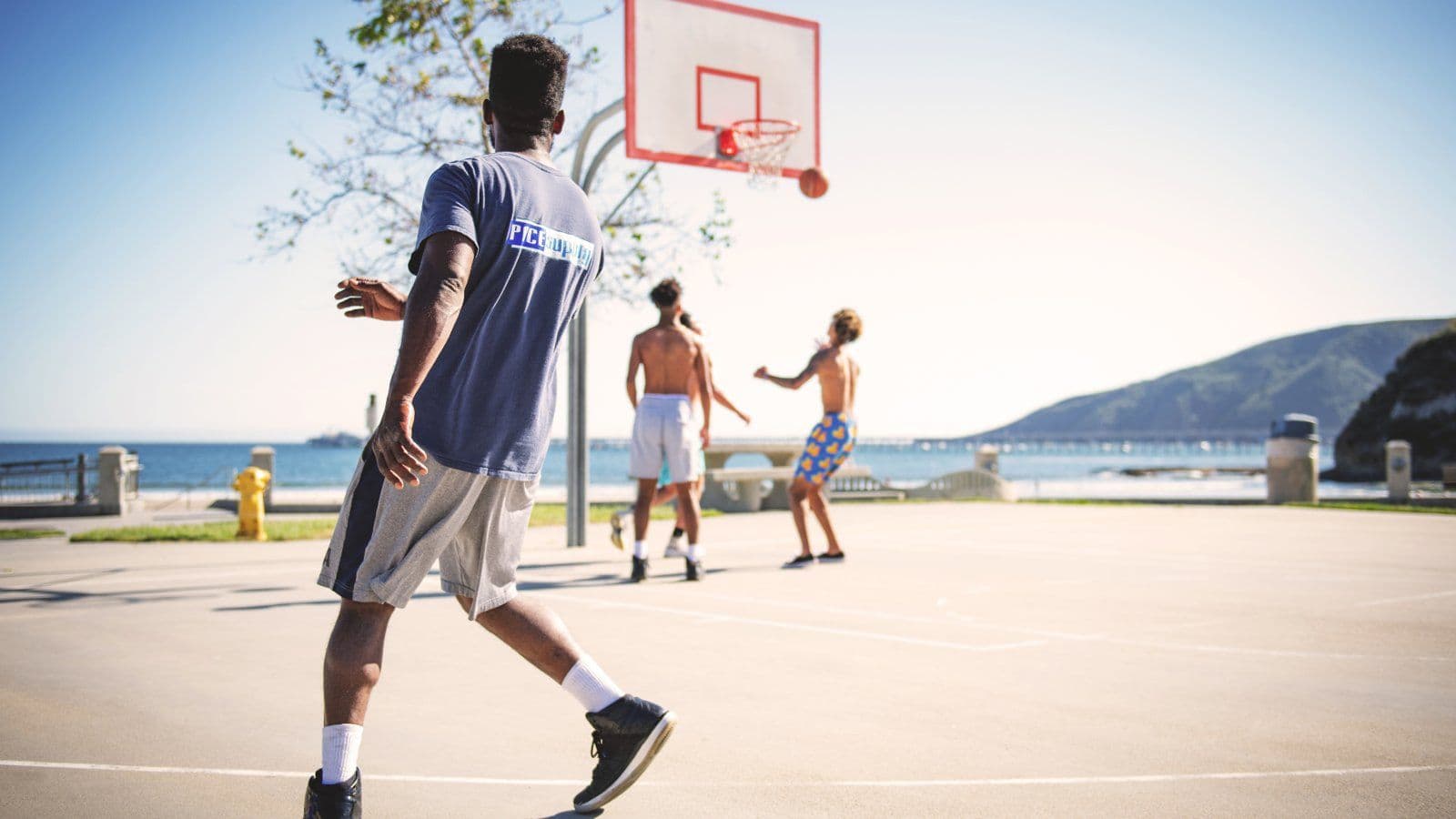
Some people love to run alone, with headphones on, in their own bubble. Others can't imagine doing sport without the pleasure of the collective, the energy of the group and the connection with others. These two approaches are not just personal preferences, they produce partially different physiological and psychological benefits.
The question is not which is better, both are excellent. The real question is: which one suits me better now, and how can I intelligently combine the two to maximize the benefits on my physical, mental and social health?
1. The specific benefits of team sport
Team sport produces effects that go beyond simple physical activity, thanks to the social dimension inherent to it:
- ●Social bond and belonging: team sport creates a feeling of belonging to a group, one of the fundamental psychological needs identified by Self-Determination Theory. This feeling reduces isolation, social anxiety and depression.
- ●Oxytocin and social neurotransmitters: positive interactions with others, encouragement, celebrations, cooperation, stimulate the release of oxytocin (social bonding hormone) in addition to the endorphins of physical effort. This cumulative effect produces greater well-being than solitary exercise.
- ●Beneficial extrinsic motivation: commitment to a group (not letting down your partners) constitutes a powerful engine of regularity. Studies show that members of sports groups have membership rates 20 to 30% higher than solitary practitioners.
- ●Intensity amplified by group dynamics: the phenomenon of social facilitation (Zajonc, 1965) shows that the presence of other people naturally increases the intensity of the effort, without conscious intention.
- ●Longevity: a remarkable study from the University of Southern Denmark (Schnohr et al., 2017) on 8,577 people showed that tennis players (the most social sport in the study) lived on average 9.7 years longer than sedentary people, compared to 3.7 years for runners, suggesting an additive effect of social ties.
2. The specific benefits of individual sport
In return, practicing sport alone offers advantages that team sport cannot always guarantee:
- ●Freedom and flexibility: I can train when I want, at the intensity I want, without time constraints or dependence on others. This flexibility is often decisive for regularity.
- ●Mindfulness and introspection: solitary sport, running, swimming, cycling, offers a rare space of inner silence in our busy daily lives. It is a time of mental decompression that the collective, by nature more stimulating, cannot offer.
- ●Listening to your body: without social pressure, I can better adjust the intensity to my real sensations, which is particularly important during periods of fatigue, stress or convalescence.
- ●Progression has its own rhythm: no comparison or pressure to perform. I progress according to my abilities and my personal adaptation curve.
- ●Autonomy and self-confidence: completing an effort alone, without external support, reinforces a particular type of self-confidence, the conviction of being able to count on oneself.
3. Direct comparison according to health dimensions
| Dimension | Team sport | Individual sport | Recommendation |
|---|---|---|---|
| Long-term consistency | Very good (social commitment) | Variable (depends on intrinsic motivation) | Team if external motivation is needed |
| Mental health and well-being | Very strong (oxytocin + endorphins) | Strong (endorphins, mindfulness) | Team if isolated or depressed |
| Social connection | Strong (the group's primary mode of functioning) | Low (needs to be found elsewhere) | Team if professionally isolated |
| Scheduling flexibility | Low (dependent on others) | Strong (complete freedom of scheduling) | Individual if the schedule is tight |
| Intensity of effort | Higher (social facilitation) | Easier to fine-tune | Depending on the goal: cardio or recovery |
| Technical progression | High (feedback from partners) | Depends on self-coaching | Team if a beginner, individual if experienced |
4. The effect of team sport on longevity: Danish data
The study from the University of Southern Denmark (Schnohr et al., Mayo Clinic Proceedings 2017) is one of the most striking on this subject. It followed 8,577 adults for 25 years and measured the association between the type of sport practiced and longevity.The results surprised the researchers themselves: the most social sports (tennis, badminton, football) were associated with the greatest longevity gains, significantly higher than those of solitary sports (running, swimming, cycling). The main hypothesis: the social bond generated during these activities constitutes an independent health factor, in addition to the cardiovascular benefits.
- ●Tennis: +9.7 years of life expectancy vs. sedentary people
- ●Badminton: +6.2 years
- ●Football: +4.7 years
- ●Cycling: +3.7 years
- ●Running: +3.2 years
- ●Swimming: +3.4 years
These figures do not mean that you should only run if you play tennis, they illustrate that social connection during physical activity brings a truly measurable additional health benefit.
5. The optimal combination: individual + collective
The most beneficial strategy for overall health is not to choose between the two, it is to intelligently combine the two formats in your week:
- ●Individual sessions for regularity and intensity: 2 to 3 solitary sessions per week (walking, running, cycling, core training) guarantee continuity regardless of the constraints of others.
- ●1 to 2 collective activities for social bonding and motivation: a group course, a running club, a team sport, a group yoga session, are enough to combine the benefits of the collective without being subject to the daily organizational constraints.
- ●Challenges and events as catalysts: participating in a local race, a corporate sporting challenge or an amateur tournament with colleagues combines the collective aspect, the concrete objective and the motivation of belonging.
A health check can include an assessment of social capital and level of isolation, and guide towards forms of physical activity that best meet specific needs, physical health AND social well-being.
💡 Tips to remember
- Tennis players live on average 9.7 years longer than sedentary people, compared to 3.2 years for solitary runners. The social dimension of sport constitutes an independent longevity factor.
- Members of sports groups have membership rates 20 to 30% higher than solitary practitioners. The group is the best engine of regularity when intrinsic motivation fluctuates.
- Team sport combines the benefits of physical effort (endorphins) AND social bonding (oxytocin). This double effect is biologically superior to the sum of the two.
- The optimal combination: 2-3 individual sessions for regularity and flexibility + 1-2 collective activities for social bonding and motivation. The two complement each other.
- A health assessment can assess the level of social isolation and guide physical activities that best meet physical health AND social well-being needs.