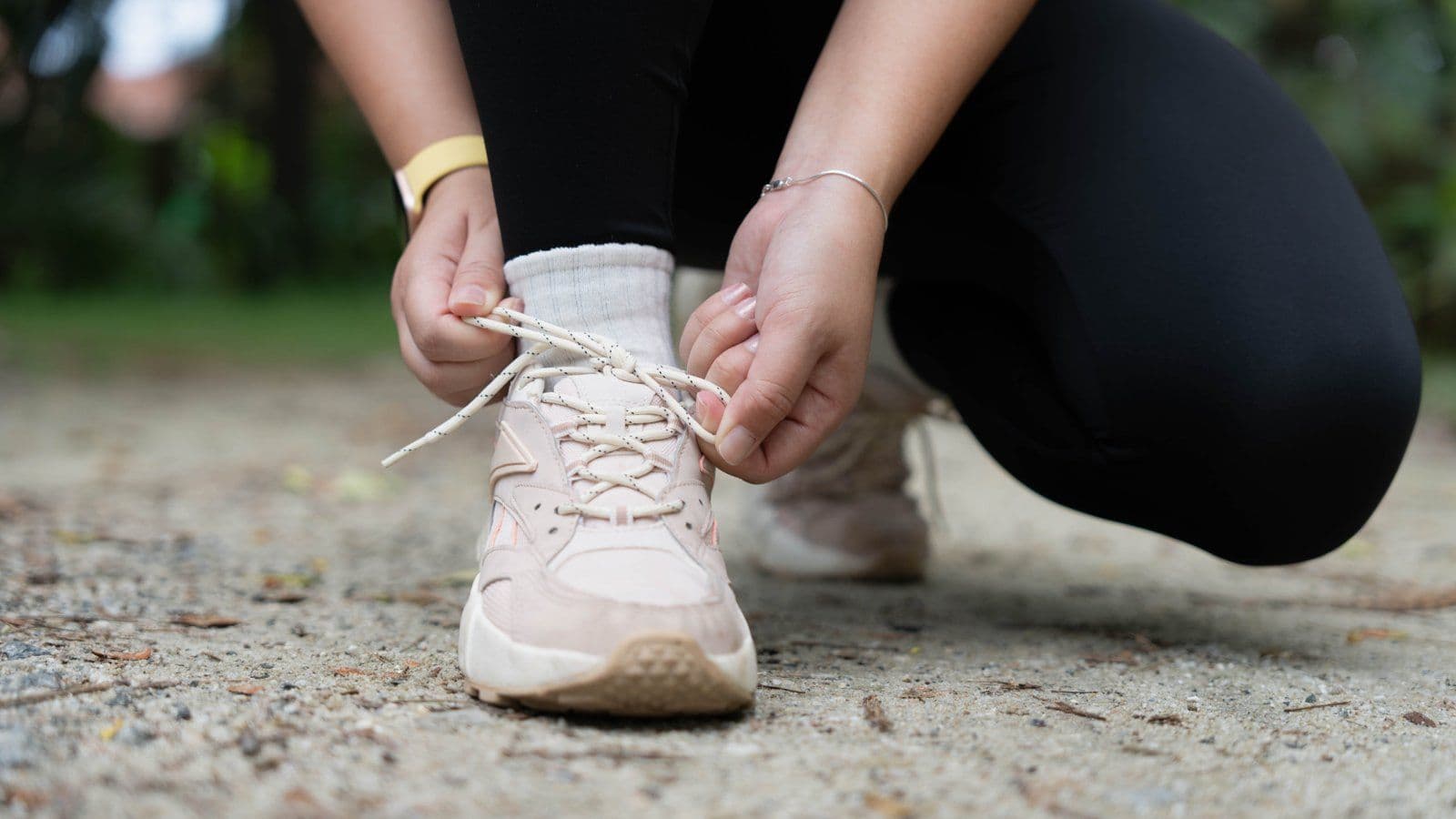
I know I should move more. I may have even started several times, and given up. Or perhaps an injury, a busy period, or a move simply interrupted a routine that was working well. In all cases, I find myself faced with the same obstacle: where can I start again without getting hurt, without getting discouraged, and above all without reproducing the errors that led to the cessation?
The good news is that the obstacles to returning to sport are the same for (almost) everyone, and they are well documented. So are the strategies for overcoming them. Here is a caring and concrete guide to getting back into movement, at my own pace, sustainably.
1. Why we stop, and how it changes everything when we resume
Understanding why I stopped is the first step to a successful recovery. The most common reasons are:
- ●Lack of time (real or perceived): often linked to a period of professional or family overload. The solution is not to find more time, but to reduce the volume necessary to maintain profits.
- ●Injury or illness: forced stopping is the most difficult to manage psychologically. The recovery must be medically valid and particularly progressive.
- ●Loss of motivation: often linked to overly ambitious goals, invisible short-term results, or an activity that did not really correspond to my preferences.
- ●Perfectionism: the all or nothing syndrome. I couldn't train like before, so I stopped everything. Identifying this pattern is crucial to avoid repeating it.
In any case, there is no judgment to be made on the judgment. The body and the mind have their rhythms, and a break does not erase previous biological achievements, they reactivate more quickly than we believe.
2. What happens to my body after a break
The good scientific news: the body retains muscular and cardiovascular memory. Muscle satellite cells retain the additional nuclei developed during training periods, which significantly accelerates recovery.
| Length of the break | What changes in my body | What it means for getting back into it |
|---|---|---|
| 2 to 4 weeks | Slight drop in aerobic capacity and strength. The base remains solid. | Almost identical restart to before, over 1 to 2 weeks |
| 1 to 3 months | Marked drop in VO2max (-10 to -20%), reduced muscle mass, decline in cardiac adaptations | Restart at 60-70% of the previous level, rapid progress over 4 to 8 weeks |
| 6 months to 1 year | Greater loss, but muscle memory still speeds up rebuilding | Allow 3 to 6 months to regain your level, with less effort than the first time |
| Several years or first time | Starting from scratch in terms of adaptations, but the body remains responsive | Slow but solid progress; the foundations are built over 3 to 6 months of consistency |
3. The FITT principle for an injury-free recovery
The main cause of injury when returning to sport is increasing the volume, intensity or frequency too quickly. The FITT principle provides a simple and safe framework for progress:
- ●F, Frequency: start with 2 to 3 sessions per week. The goal for the first few weeks is to establish the habit, not performance. Frequency is the most important parameter to stabilize first.
- ●I, Intensity: start at 50-60% of its perceived capacities. I should be able to hold a conversation without difficulty. If I'm so out of breath that I can't speak, it's too intense for a repeat.
- ●T, Time (duration): start with short sessions: 20 to 30 minutes. It is better to finish a session still having energy than to arrive exhausted and in pain.
- ●T, Type: favor activities with low joint impact for the first weeks: brisk walking, cycling, swimming, elliptical trainer. Avoid intense sports with sudden changes of direction or support.
The golden rule: do not increase the total volume of activity by more than 10% per week. This is the threshold from which the risk of injury increases significantly according to sports biomechanics studies.
4. Mental obstacles and how to overcome them
Returning to sport is as much mental as physical. Here are the most common psychological traps, and their solutions:
- ●Comparison with before: I no longer run as fast, I lift less heavy, I am more out of breath. This is normal, expected and temporary. The only relevant point of comparison is me yesterday vs me today.- The all or nothing effect: if I miss a session, I must not skip the next one. Research by Philippa Lally (University College London) shows that occasionally missing a session does not impact habit formation in the long term.
- ●Impatience: the visible benefits (figure, performance) take 6 to 12 weeks. The benefits felt (energy, sleep, mood) arrive much more quickly, often within the first week. Focus on these at first.
- ●Beginner's shame: many avoid gyms or groups for fear of how others will look at them. Starting outdoors, alone or with a friend of the same level completely removes this obstacle.
5. Build a routine that really sticks
The first three months are decisive. This is the amount of time needed for exercise to become an automatic habit rather than a decision to make every day. Here's what makes the difference between recoveries that hold up and those that run out of steam:
- ●Set a permanent appointment: block the slot in your calendar as an important meeting. People who plan precisely when and where they will train are 2.5 times more likely to do so (Gollwitzer, implementation intentions).
- ●Choose an activity that I really like: the best exercise is the one that I practice sustainably. If I hate running, choose something else. The variety of options is immense.
- ●Celebrate small victories: note each session completed. Visible progress, even small, is a powerful reinforcement of intrinsic motivation.
- ●Have me accompanied if necessary: a complete health check-up can include an assessment of physical condition and guidance towards a recovery adapted to my specificities, physical condition, background, preferences and personal objectives.
💡 Tips to remember
- The body keeps a muscle memory: after a break, it readjusts 2 to 3 times faster than the first time. I'm not starting from scratch, I'm reactivating skills that are still there.
- The 10% rule: I don't increase my total volume of activity by more than 10% per week. This is the threshold beyond which the risk of injury increases significantly.
- The FITT principle (Frequency, Intensity, Time, Type) is the safest framework for a gradual recovery: I first stabilize the frequency, then I increase the duration, and finally intensity.
- Motivation rarely arrives before the effort, it arrives during or after. Getting started for 5 minutes is enough to trigger the momentum. The 5-minute rule is my best recovery ally.
- A health check-up is the best starting point for a personalized recovery: it allows me to assess my current physical condition and identify the activities most suited to my profile.