We don't think about our bones until one of them breaks. And yet, osteoporosis, this silent disease which progressively weakens the skeleton, affects 3 million people in France, including one in three women after menopause. It is responsible for 177,000 fractures per year, of which femoral neck fractures remain one of the leading causes of loss of autonomy among seniors.
The good news: bone health is built and protected throughout life through physical activity. Bones, like muscles, adapt to the constraints imposed on them. Physical exercise, particularly impact activities and muscle strengthening, is the most powerful stimulus for maintaining optimal bone density at any age.
1. Bone, a living tissue in perpetual remodeling
The skeleton completely renews itself approximately every 10 years. This bone remodeling is carried out by two types of complementary cells: osteoclasts (which destroy old bone) and osteoblasts (which form new bone). Physical activity stimulates osteoblasts via mechanical constraints, this is the principle of bone piezoelectricity.
| Life stage | Bone health stakes | Role of physical activity |
|---|---|---|
| Childhood and adolescence (up to age 25) | Building bone capital, peak bone mass | Maximise peak bone mass through weight-bearing activities (jumping, running, team sports) |
| Adulthood (25-50 years) | Maintaining acquired bone mass | Maintain through regular exercise; slow but real loss without stimulation |
| Perimenopause and menopause (women) | Accelerated bone loss (2-5% per year in the first years) linked to the drop in oestrogen | Weight-bearing exercise and strength training: the most effective intervention alongside nutrition |
| Seniors (65+) | Increased fracture risk, especially hip, spine, wrist | Strength training + balance to prevent falls, moderate low-impact activities |
2. Which exercises for which bones?
Not all exercises are equal for bone health. The mechanical stimulus must be sufficiently intense to trigger the osteoblastic response. The principle is that of progressive overload, the same as for the muscle.
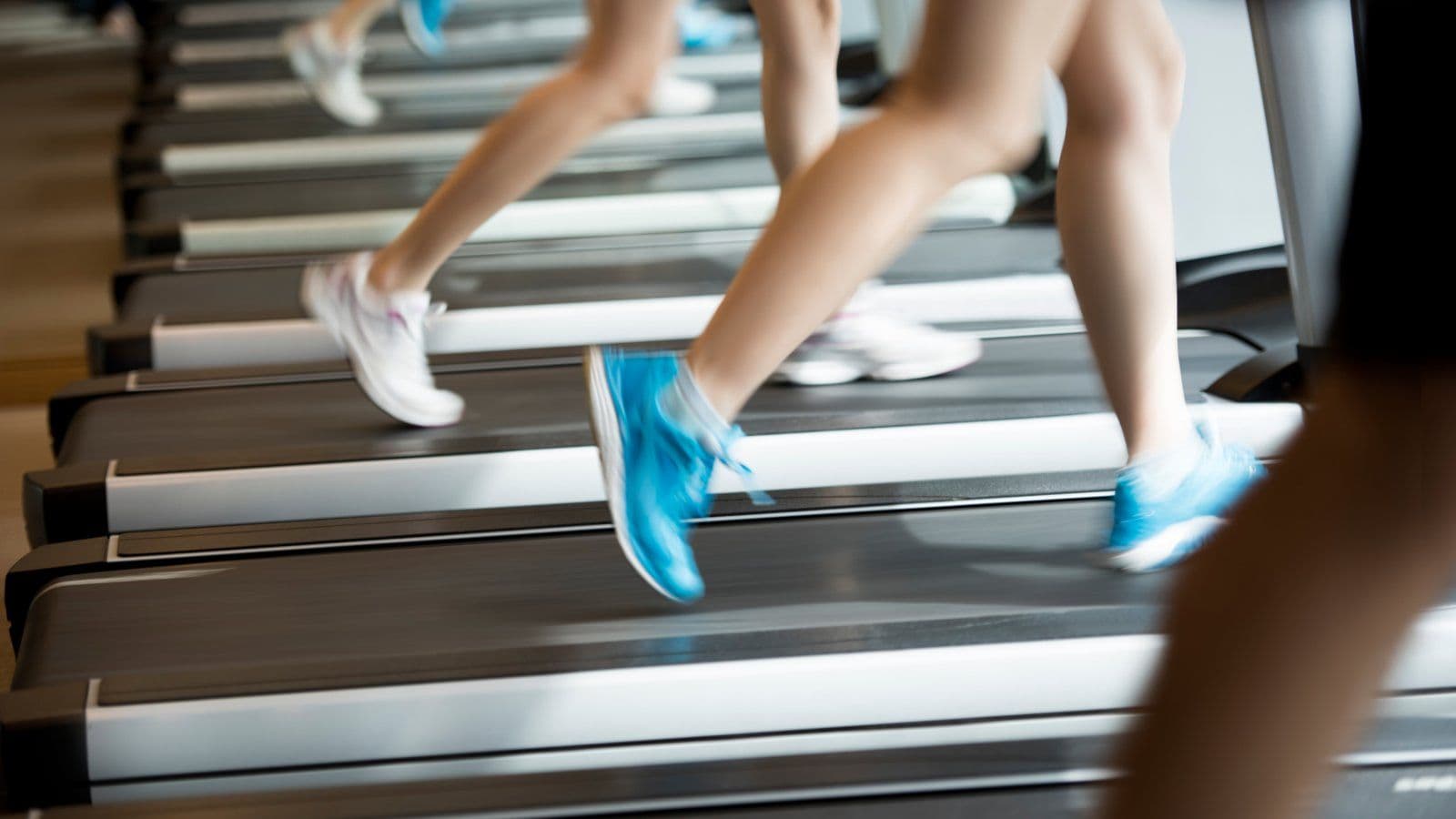
- ●Activities with impact (osteogenic par excellence): running, team sports, dancing, step, skipping rope, jumping. The impact of landing on the ground creates high mechanical stresses on the bones of the lower limbs and the spine. These are the most effective activities for bone density.
- ●Muscle strengthening: muscle contractions exert traction on the bones to which they are attached, stimulating bone formation. Particularly important for the wrists, spine and hip.
- ●Activities (low bone impact): swimming, cycling, elliptical. These activities are excellent for the cardiovascular system but produce little osteogenic stimulus because the body is supported by water or machine.
- ●Yoga and Pilates: beneficial for posture, proprioception and fall prevention, but moderate bone stimulation. They complement impactful activities without replacing them.
The optimal combination for bone health is: 2 to 3 muscle strengthening sessions per week + 3 to 4 sessions of moderate impact activities + balance work. This combination is associated with a reduction in the risk of hip fracture of 30 to 40%.
3. Osteoporosis: risk factors and prevention
Osteoporosis is diagnosed by bone densitometry (DXA), which measures bone mineral density. A T-score less than -2.5 confirms the diagnosis. The main risk factors:
- ●Not modifiable: female gender (3 times higher risk), older age, family history of fracture, white or Asian race, small frame.
- ●Modifiable by physical activity and lifestyle: sedentary lifestyle (first modifiable risk factor), low intakes of calcium and vitamin D, smoking, excessive alcohol consumption, very low BMI, prolonged corticosteroid therapy.
| Protective factor | Impact on bone density | Effective dose |
|---|---|---|
| Weight-bearing physical activity | 1 to 3% increase in hip and spine bone density over 12 months | 3 sessions/week, 30 to 45 min |
| Strength training | 1 to 2% increase in lumbar bone density | 2 sessions/week, multi-joint exercises |
| Dietary calcium | Slows bone loss | 1,000 to 1,200 mg/day (adults) |
| Vitamin D | Promotes intestinal calcium absorption and bone mineralisation | 800 to 2,000 IU/day depending on status |
| Quitting smoking | Reduces the accelerated bone loss linked to smoking | Complete stop |
4. Physical activity and fall prevention
Osteoporotic fracture most often results from a fall. Preventing falls is therefore as important as maintaining bone density. Physical activity works on both counts:
- ●Muscular strengthening of the lower limbs: stronger legs and ankles allow better control of imbalances and to catch oneself before a fall.- Balance and proprioception work: yoga, tai chi, unipodal exercises, balance courses. A meta-analysis shows that tai chi reduces the incidence of falls by 19 to 46% among seniors (Gillespie et al., Cochrane 2012).
- ●Walking speed: walking speed is one of the most reliable predictors of mortality and falls among seniors. Regular exercise keeps it at a protective level.
- ●Vision and coordination: exercise improves eye-motor coordination and the processing of vestibular information, two key factors in balance.
5. It’s never too late to act on your bones
One of the most damaging misconceptions about bone health is that once osteoporosis sets in, it is too late for exercise to have an impact. This is false. Several randomized studies show gains in bone density in osteoporotic women over 70 years old after exercise programs of 12 to 24 months.
Exercise in cases of diagnosed osteoporosis requires some adaptations, avoid exercises with strong flexion of the spine (vertebral compression fractures are favored by this movement) and favor exercises in extension and carrying light loads. A health check-up with assessment of bone density (DXA), vitamin D and calcium balance, and a balance assessment makes it possible to define a personalized and safe physical activity program.
💡 Tips to remember
- The bone is a living tissue that adapts to mechanical constraints. Impact activities (running, jumping, dancing) and muscle strengthening are the most powerful stimuli for maintaining bone density.
- Swimming and cycling, excellent for the heart, produce little bone stimulus because the body is supported. Combining them with weight-bearing activities is essential for bone health.
- Tai chi reduces the incidence of falls by 19 to 46% among seniors, making it one of the best activities for preventing fractures, by acting on balance rather than on bone.
- It's never too late: 12-month exercise programs increase bone density even in osteoporotic women over 70.
- A health check-up makes it possible to assess bone density (DXA), vitamin D and calcium status, and to establish an appropriate physical activity program, well before the first fracture occurs.