Vitamins are micronutrients essential to the functioning of the body, which my body cannot synthesize in sufficient quantities and which must therefore be supplied through food. There are 13 in total, divided into two categories: fat-soluble vitamins (A, D, E, K) and water-soluble vitamins (C'and the 8 vitamins of group B). Despite their crucial importance, vitamin deficiencies are much more common than you might think - even among people whose diets appear balanced on the surface. Here are the keys to identifying my needs and responding to them precisely.
1. Fat-soluble vs. water-soluble vitamins: an important distinction
The distinction between these two categories is not just academic: it has direct implications on the way in which I cover my needs and on the risks of deficiency or overload.
| Category | Vitamins | Storage | Practical implications |
|---|---|---|---|
| Fat-soluble | A, D, E, K | Stored in adipose tissue and the liver for weeks has month | Risk of deficiency slower to set in but also longer to correct. Risk of overdose possible in case of excessive supplementation. |
| Water-soluble | C, B1, B2, B3, B5, B6, B8, B9, B12 | Little or not stored. Eliminated quickly through urine. | Needs to be covered daily through diet. Risk of rapid deficiency in the event of a restrictive diet. Little risk of food overdose. |
2. The 5 most common vitamin deficiencies in France
According to consumption studies by Public Health France (INCA 3 study, 2017) and data from ANSES, several vitamin deficiencies or insufficiencies are particularly widespread in the French population:
| Vitamin | Affected population | Insufficiency symptoms | Best Food Sources |
|---|---|---|---|
| Vitamin D | 80% of French people are insufficient at the end of winter according to ANSES | Fatigue, muscle and bone pain, decreased immunity, seasonal depression | Oily fish (salmon, mackerel, sardines), egg yolk, liver, fortified foods. Main source: skin synthesis via the sun. |
| Vitamin B9 (folate) | Women of childbearing age and people with low green vegetable intake | Fatigue, megaloblastic anemia, risk of neural malformations in the fetus | Green leafy vegetables (spinach, mache, broccoli), legumes, liver, brewer's yeast |
| Vitamin B12 | Strict vegetarians and vegans, elderly people (reduced absorption) | Severe fatigue, neurological disorders, anemia, memory problems | Exclusively in animal products: meat, fish, eggs, dairy products. Essential supplement for vegans. |
| Vitamin C | Smokers (needs 2x higher), people consuming little fruit and vegetables | Fatigue, slow healing, capillary fragility, weakened immunity | Pepper, kiwi, citrus, strawberry, broccoli, parsley. Very sensitive to heat and air. |
| Vitamin A | People consuming few animal products or few orange fruits and vegetables | Night vision problems, dry skin, frequent infections | Liver, full-fat dairy, eggs (retinol). Carrots, sweet potato, spinach (beta-carotene, precursor) |
3. Focus on vitamin D: the big one missing from our modern livesVitamin D deserves particular attention as its deficiency is universal in the countries of northern Europe and its consequences are multisystemic. Unlike other vitamins, the main source of vitamin D is not food: it is cutaneous synthesis under the effect of UVB rays from the sun.
The problem is structural in our contemporary lifestyles:
- ●I spend the majority of my day indoors (office, transport, home)
- ●In France, between October and April, the angle of solar incidence is too low to allow sufficient skin synthesis regardless of the duration of exposure
- ●Systematic use of sunscreen (essential for the prevention of skin cancers) blocks the synthesis of vitamin D
- ●The rare food sources rich in vitamin D (oily fish, liver) are insufficiently consumed
The consequences of prolonged vitamin D deficiency go far beyond the bone health for which it is classically known. Insufficient levels are associated with increased immune fragility, a high risk of respiratory infections, persistent fatigue, mood disorders and an increased risk of certain cancers according to several recent meta-analyses.
Since 2021, ANSES has recommended systematic vitamin D supplementation for all adults in France, particularly between October and April, at a rate of 800 to 1,000 IU per day or an equivalent monthly dose. This point should be discussed with your doctor who can prescribe a blood test (25-OH-vitamin D) to personalize the supplementation.
4. Focus on group B vitamins: vitamins of the nervous system
The 8 B vitamins constitute a family with complementary functions, all involved in energy metabolism and the functioning of the nervous system. Here are the most important ones to know:
- ●Vitamin B1 (thiamine): essential for carbohydrate metabolism and nervous functioning. Deficit accelerated by high alcohol consumption. Sources: brewer's yeast, whole grains, legumes, pork.
- ●Vitamin B6 (pyridoxine): involved in the synthesis of neurotransmitters (serotonin, dopamine, GABA). Its deficit promotes depression, irritability and sleep disorders. Sources: poultry, fish, banana, potato, sunflower seeds.
- ●Vitamin B9 (folic acid): essential for DNA synthesis and cell division. Particularly critical in pregnant women or women planning to become pregnant (recommended supplementation during the conception process to prevent neural tube defects). Sources: green leafy vegetables, legumes, liver.
- ●Vitamin B12 (cobalamin): unique vitamin absent from the plant world. Essential for the formation of red blood cells, neurological functioning and DNA synthesis. A deficiency can persist over several years (the liver stores it for 2 to 5 years) before manifesting itself in potentially irreversible neurological symptoms. Compulsory supplementation for all strict vegans.
5. How to meet my vitamin needs through food
For the vast majority of healthy adults with a varied and balanced diet, vitamin requirements can be met through diet alone - with a few notable exceptions. Here are my practical guidelines:
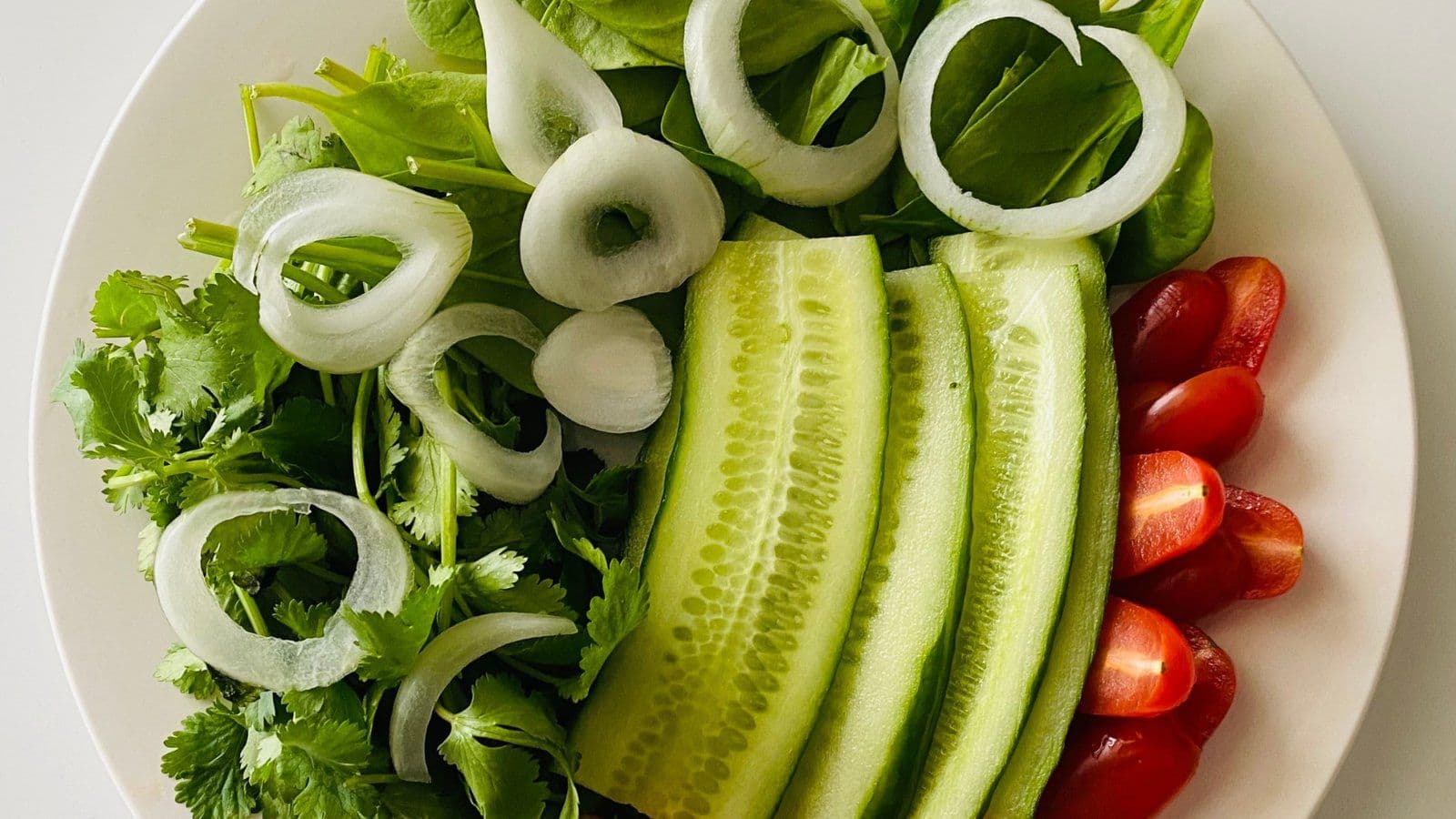
- ●I eat a variety of colorful fruits and vegetables at each meal: the diversity of colors reflects the diversity of vitamins and antioxidants. A green vegetable, a red or orange and a white or yellow at each meal covers a wide range.
- ●I favor gentle cooking for water-soluble vitamins: vitamin C is destroyed by heat and escapes into the cooking water. I prefer steaming, cooking al dente or eating certain vegetables raw.
- ●I eat fatty fish twice a week: they are the only significant food source of vitamin D and also provide vitamins B12, B2 and A.
- ●If I am a strict vegan, I absolutely supplement myself with B12: this is non-negotiable. I also discuss supplementation with vitamin D, iodine and omega-3 with my doctor.
- ●I have my vitamin D measured during my annual biological check-up: it is one of the most useful parameters to check, and one of the least systematically prescribed.Be careful with unsupervised supplements: certain fat-soluble vitamins (A, D, E, K) can be toxic if overloaded. Megadoses of vitamins without medical supervision are not without risk. The principle remains: food first, targeted supplementation in the event of a proven deficiency or specific identified need.
💡 tips to remember
- Vitamin D is the most common deficiency in France: 80% of French people are deficient at the end of winter. Unexplained fatigue, fragile immunity and low morale can be a sign.
- I have my vitamin D measured during my annual biological check-up: it is the most useful test and the least systematically prescribed. An optimal level is between 40 and 60 ng/mL.
- Vitamin B12 is absent from the plant world: anyone following a strict plant-based diet must take supplements to avoid potentially serious neurological disorders.
- Women of childbearing age should pay attention to their B9 (folate) intake: a supplement of 400 micrograms per day is recommended during pregnancy to prevent neural tube defects.
- I diversify the colors on my plate: red, orange, dark green, yellow - each color corresponds to different vitamins and antioxidants. Visual diversity guarantees nutritional diversity.
- I prefer gentle cooking for vitamins C' and B: steamed, al dente or raw. The heat and cooking water destroy a significant part of these water-soluble vitamins.
- Food first, supplementation then: except in special cases (vitamin D in winter, B12 for vegans), a varied diet covers the needs. I consult my doctor before any systematic supplementation.
Further reading