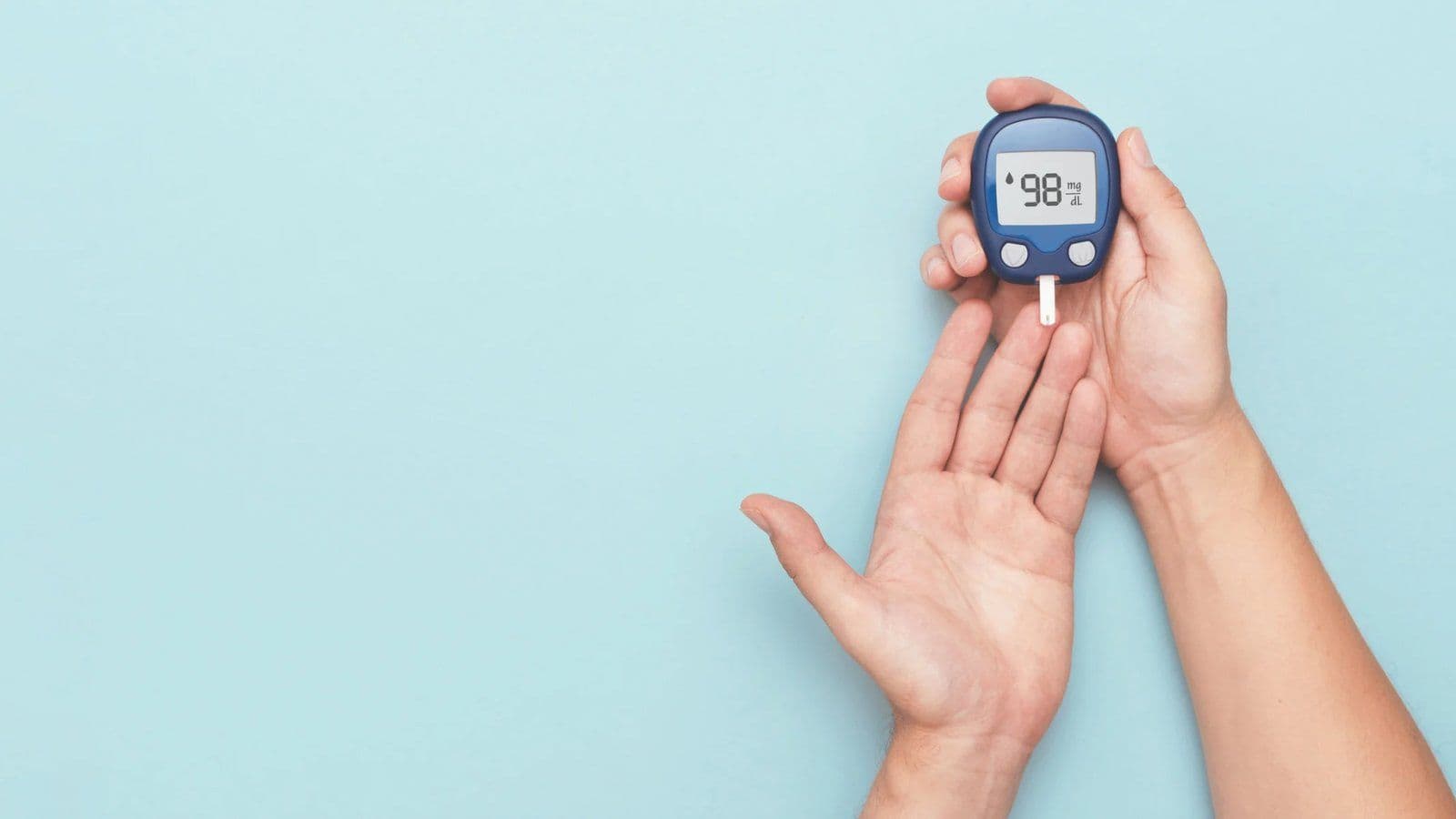
You can be diabetic without knowing it: type 2 diabetes sets in slowly, often without significant symptoms at first. When signs appear, they are sometimes attributed to fatigue or age. Knowing them allows you to react and carry out a simple test that changes the situation.
1. A long silent illness
Type 2 diabetes develops gradually, sometimes over ten to twenty years. For a long time, blood sugar levels rise without causing any noticeable symptoms. This is why many people are diagnosed late, sometimes during a complication.
2. Signs that should alert
| Sign | Explanation |
|---|---|
| Intense thirst | The body tries to eliminate excess sugar |
| Frequent urge to urinate | Elimination of glucose by the kidneys |
| Unusual fatigue | Glucose is no longer well used |
| Weight loss, hunger | Especially in the type 1 |
| Blurred vision, repeated infections | Effects of hyperglycemia |
These signs are not specific, but their association or persistence should lead to consultation.
3. Who is particularly concerned?
Certain factors increase the risk of type 2 diabetes: overweight, sedentary lifestyle, family history, hypertension, age, history of gestational diabetes. In the presence of these factors, regular screening is recommended, even without symptoms.
4. The simple test that makes the difference
The diagnosis is based on a blood sugar test, most often on an empty stomach. It's a simple, quick and reimbursed exam. In case of risk factors, it is advisable to carry it out periodically.
Identifying diabetes early, or better, prediabetes, allows you to act before complications arise. The silence of the disease makes screening all the more valuable.
💡 tips to remember
- Type 2 diabetes continues for a long time without symptoms: many people are diagnosed late, sometimes during a complication.
- Intense thirst, frequent urge to urinate, unusual fatigue and blurred vision are signs that should alert you, especially in combination.
- Overweight, sedentary lifestyle, family history and hypertension increase the risk: regular screening is then recommended.
- Diagnosis is based on a simple measurement of blood sugar, often on an empty stomach: a rapid and reimbursed examination.
- Detecting diabetes, or better prediabetes, early allows action before complications: the silence of the disease makes screening valuable.
Further reading