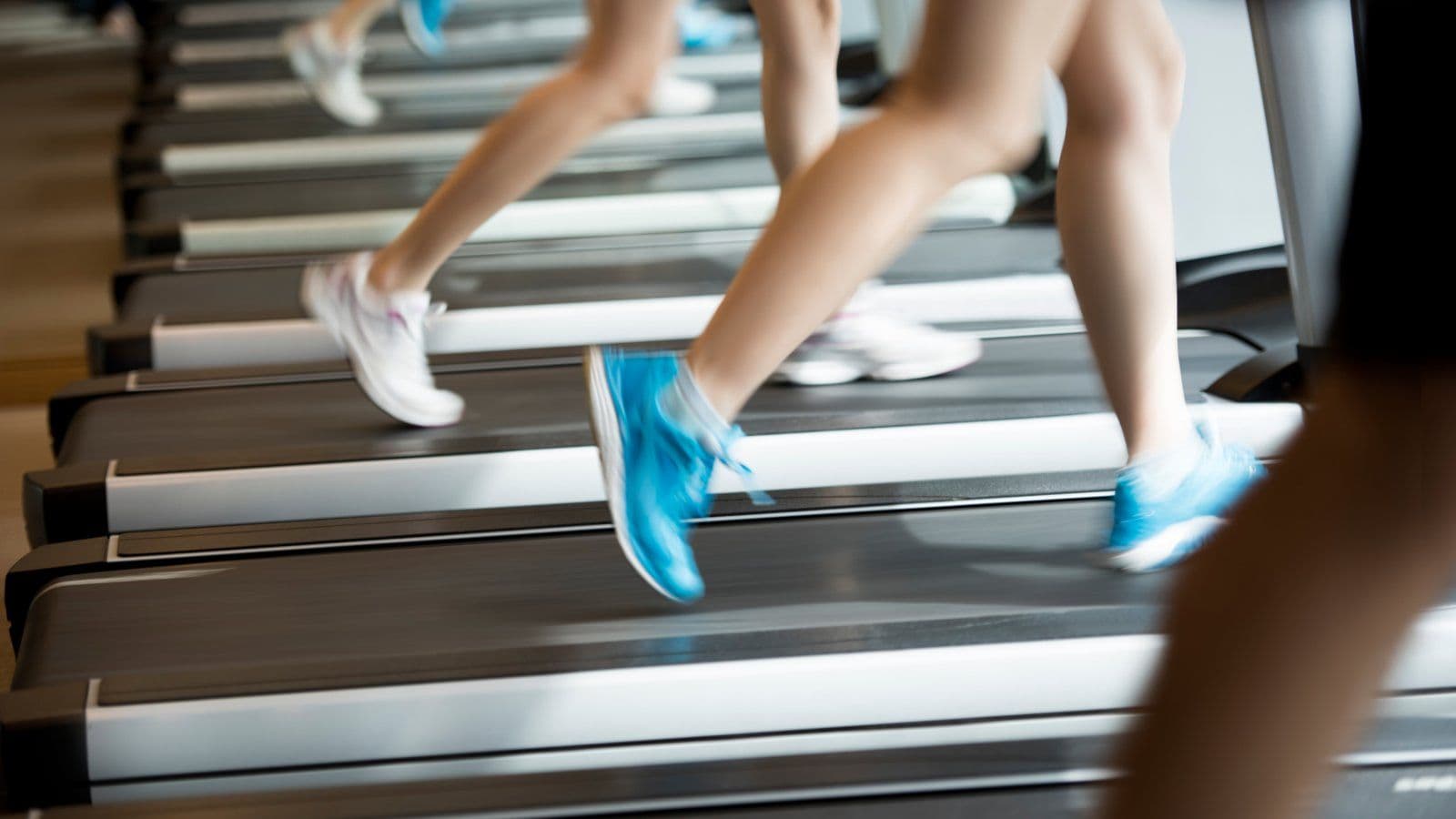
We spend a large part of our days sitting, without realizing the effects of this immobility on our body. Metabolism, circulation, muscles, back: prolonged sitting acts on several levels. Understanding concretely what happens when you stay still for too long helps you find the motivation to get up more often.
1. A slow metabolism
During prolonged sitting, muscle activity is minimal. Energy expenditure drops, and certain mechanisms that regulate sugar and fats work less well. This contributes, over time, to the risk of weight gain and metabolic disorders.
2. Circulation and remote effects
| Zone | Effect of prolonged immobility |
|---|---|
| Legs | Slow traffic, legs heavy |
| Metabolism | Less effective sugar regulation |
| Back | Tensions, bad posture |
| Muscles | Weakening, stiffness |
Immobility slows venous return, which can promote feelings of heavy legs. Maintaining the same posture for a long time also strains the back and neck.
3. Muscles and joints
Sitting for a long time leads to muscle weakening, particularly postural muscles, and promotes stiffness. Underused muscles adapt to inactivity, which can result in pain and reduced flexibility.
4. Interrupt to limit effects
The good news: short interruptions are enough to counter some of these effects. Getting up, walking for a few moments, stretching reactivates circulation and metabolism. The idea is not to never sit, but to not sit still for too long at a time.
- Get up for a few moments approximately every 30 minutes
- Walk or stretch during breaks
- Alternate postures throughout the day
Breaking up your sitting time is a simple gesture with real benefits for the entire body.
💡 tips to remember
- In prolonged sitting, energy expenditure drops and the regulation of sugar and fats works less well.
- Immobility slows venous return (heavy legs) and stresses the back and neck.
- Staying seated for a long time leads to a weakening of the postural muscles and promotes stiffness and pain.
- Short interruptions are enough to counter some of these effects: getting up, walking, stretching reactive circulation and metabolism.
- The idea is not to never sit, but do not stay still for too long in a row: I divide my sitting time.