Every day, I make dozens of food choices, often without really thinking about them. A coffee drunk standing up, a quick lunch, a sweet snack to last until the evening... What if I took a moment to ask myself what my body really needs to function at its best? You don't need to be a dietitian to lay the right foundations. In this article, I offer you a simple, concrete and caring starting point to understand what a balanced diet really is, and above all, how to integrate it into my daily life without worrying.
1. What exactly is a balanced diet?
A balanced diet does not rhyme with deprivation or a strict diet. It is based on a simple principle: to provide my body with all the nutrients it needs, in the right quantity and in the right variety. According to ANSES (National Food Safety Agency), a balanced diet is characterized by:
- ●A wide variety of foods consumed regularly
- ●Sufficient intake of macronutrients: carbohydrates, lipids and proteins
- ●Adequate intake of micronutrients: vitamins, minerals and trace elements
- ●Sufficient hydration, on average 1.5 liters of water per day
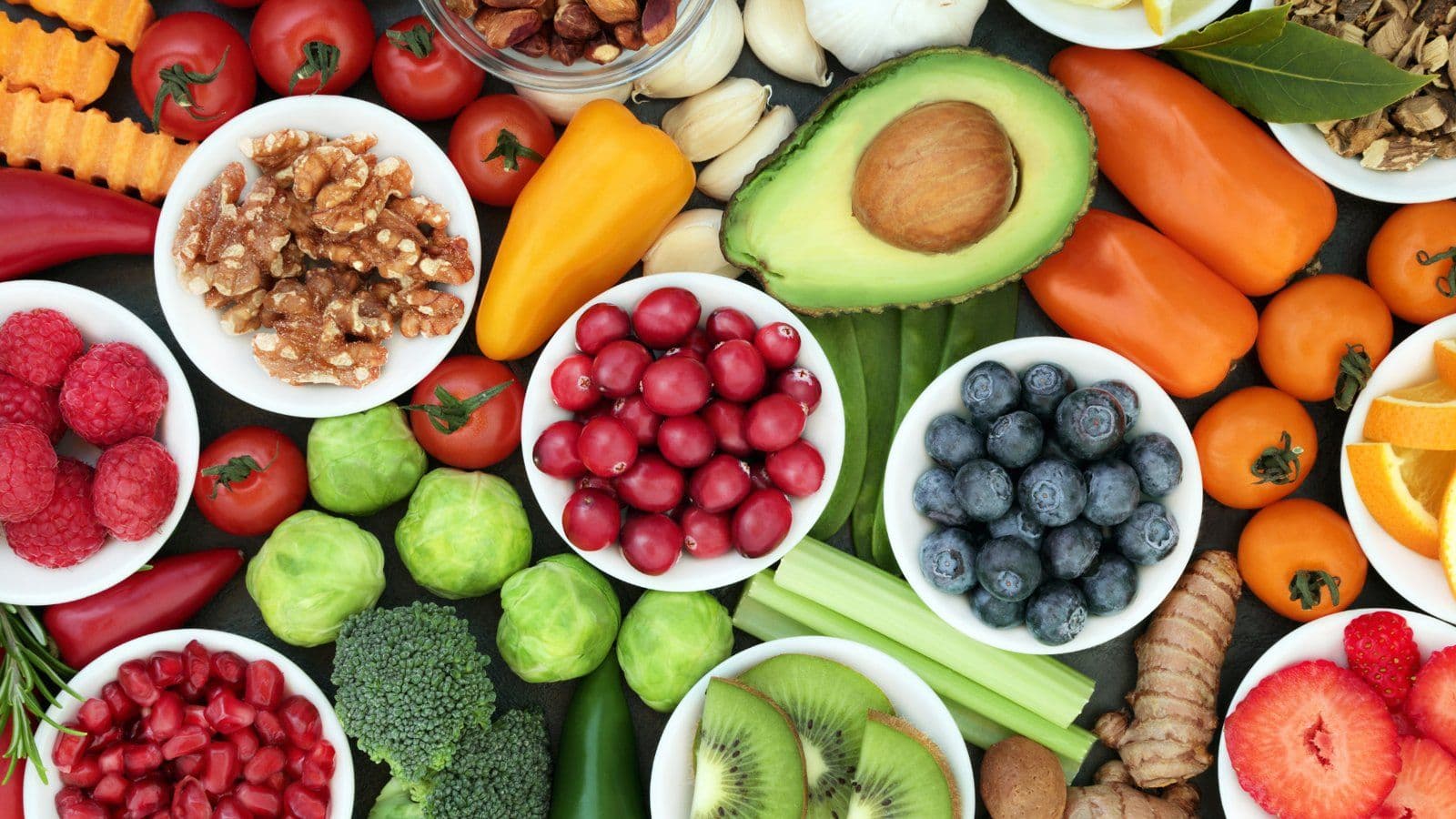
In France, the National Nutrition and Health Program (PNNS) translates these recommendations into benchmarks accessible to all. It's not a list of prohibitions, it's an invitation to eat more varied, more colorful, more conscious.
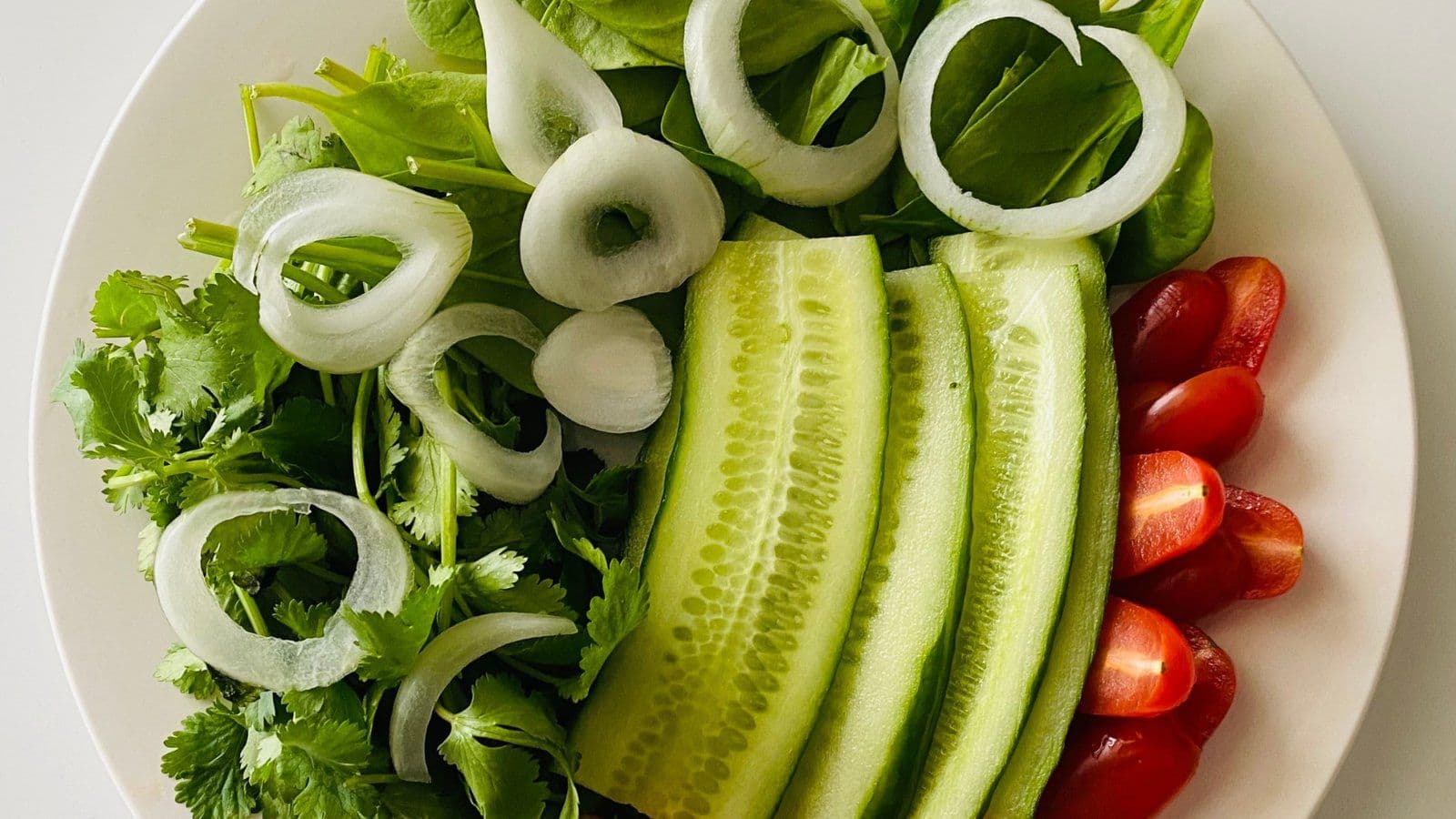
[IMAGE 1, Colorful and balanced plate: vegetables, proteins, whole starches]
A colorful plate is often a balanced plate.
| Group | Examples | Main Role |
|---|---|---|
| Fruits & vegetables | Broccoli, apple, carrot, spinach… | Vitamins, fiber, antioxidants |
| Starchy vegetables complete | Brown rice, wholemeal bread, quinoa… | Sustainable energy, fibers |
| Proteins | Fish, poultry, legumes, eggs… | Tissue construction and repair |
| Dairy Products | Plain yogurt, cheese, milk… | Calcium, proteins, vitamins and B |
| Fat | Olive oil, nuts, avocado… | Essential fatty acids, vitamin E |
2. The major food groups to know
To find my way easily, I can organize my diet around five main food families:
3. The rule of thirds: my ideal daily plate
No need to weigh each food. A simple way to visualize my balanced plate is the rule of thirds:
- ●1/2 of the plate: assorted vegetables (raw or cooked)
- ●1/4 of the plate: whole starchy foods or legumes
- ●1/4 of the plate: proteins (animal or vegetable)
This visual cue, taken in particular from Public Health France recommendations, helps me compose my meals intuitively, without getting lost in calorie calculations.
4. The most common mistakes… and how to avoid them
We all have our food blind spots. Here are the most common traps that I may already tend to fall into:
- ●Skip lunch to “compensate”: this often leads to cravings and more snacking at the end of the day.
- ●Eating too quickly: the satiety signal takes around 20 minutes to reach the brain. Slowing down already means preventing excesses.
- ●Neglecting vegetables: according to Public Health France, only 1 in 4 French people consume the recommended 5 servings per day.
- ●Confusing “light” with “healthy”: low-fat products often contain more sugar, and vice versa.
5. Where to start, concretely?
I don't have to change everything at once. The key is progressiveness. I can start with just one new habit per week:
- ●Week 1: add an extra serving of vegetables to each lunch
- ●Week 2: replace refined cereals with their complete versions
- ●Week 3: prepare my meals for the next day the day before to avoid last minute choices- Week 4: integrate two vegetarian meals into my week
These small steps, accumulated week after week, make a real difference in the long term. And if I want to go further in my health prevention approach, a health check-up carried out with Iris Prévention can help me identify my specific needs and personalize my nutritional objectives.
[ IMAGE 2, Meal prep / Boxes of meals prepared in advance for the week ]
Preparing your meals in advance: the key to eating healthily even when time is short.
💡 tips to remember
- I focus on diversity: the more colorful and varied my meals are, the more essential nutrients I provide to my body.
- I visualize my plate in thirds: 1/2 vegetables, 1/4 whole starches, 1/4 proteins.
- I'm not looking for perfection: a good diet is 80% good habits and 20% pleasure without guilt.
- I change one habit at a time: little by little, the good reflexes take hold.
- I hydrate regularly: 1.5 L of water per day minimum, especially during sedentary work days.
- I prepare my meals in advance (meal prep) to avoid poor food choices when I'm short on time during the week.