The term antioxidant is everywhere: on food packaging, in advertisements for food supplements, in health magazines. But what is really hidden behind this word? Antioxidants are molecules capable of neutralizing free radicals, unstable molecules produced naturally by the body during cellular metabolism, and whose accumulation in excess causes a state called oxidative stress. This chronic oxidative stress is now recognized as a factor contributing to premature cellular aging and the development of numerous chronic pathologies. Taking stock of the science of antioxidants, without romanticizing it or reducing it to marketing arguments, is the purpose of this article.
1. Oxidative stress: understanding the mechanism
To understand the usefulness of antioxidants, you must first understand what they fight. Free radicals are molecules that have an unpaired electron, making them chemically unstable and very reactive. They seek to stabilize by stripping an electron from neighboring molecules, triggering a chain reaction that can damage the cells' membrane lipids, proteins and DNA.
The production of free radicals is a normal and necessary process: the body uses them in particular to destroy pathogens as part of the immune response. The problem occurs when their production exceeds the body's antioxidant capacities, creating an imbalance called oxidative stress.
The main factors that increase the production of free radicals and oxidative stress are:
- ●Air pollution and environmental toxins
- ●Active and passive smoking: one of the most important sources of exogenous free radicals
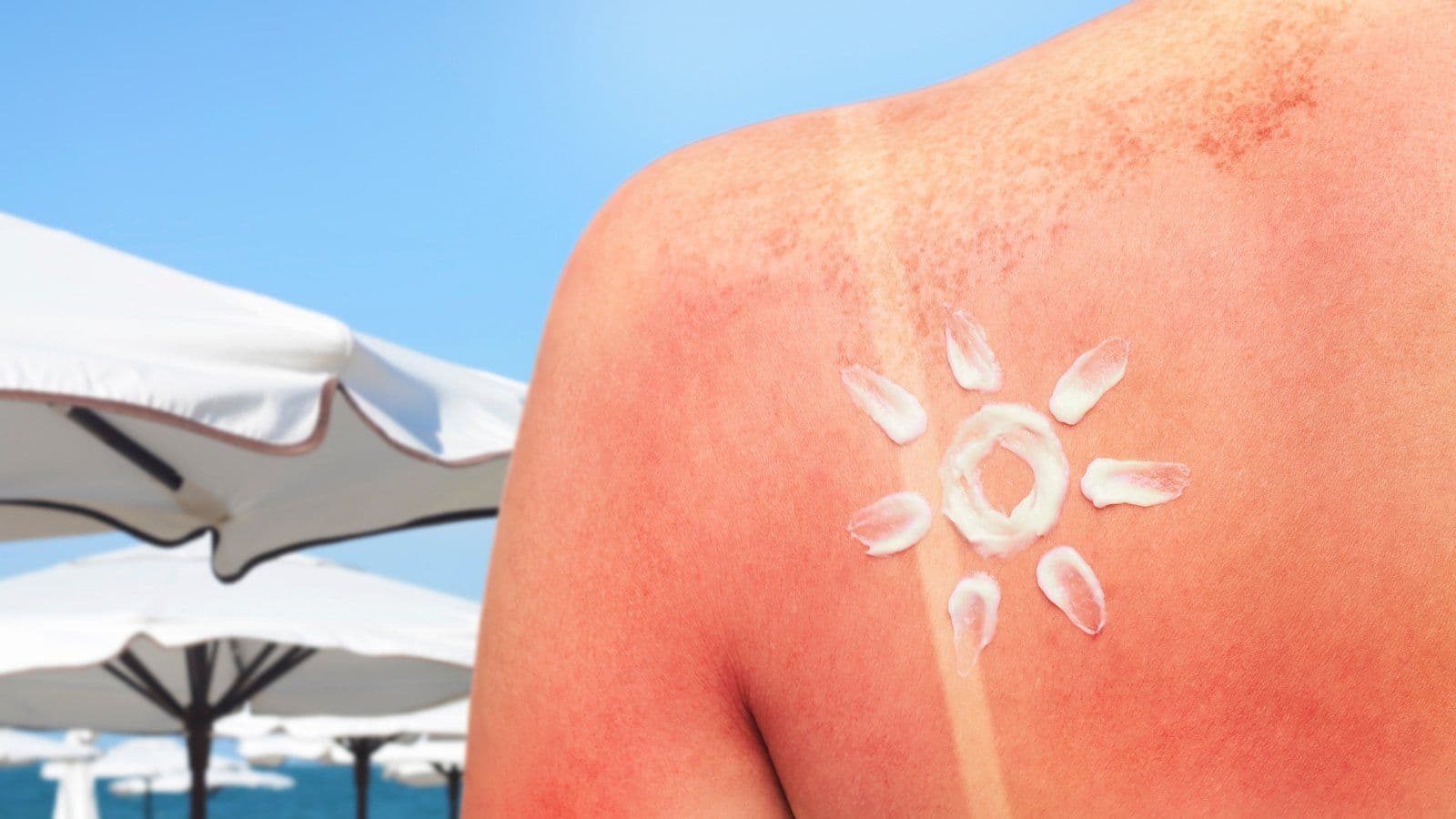
- ●UV radiation from the sun
- ●A diet rich in ultra-processed foods, trans fats and refined sugars
- ●Chronic stress via the cortisol axis and systemic inflammation
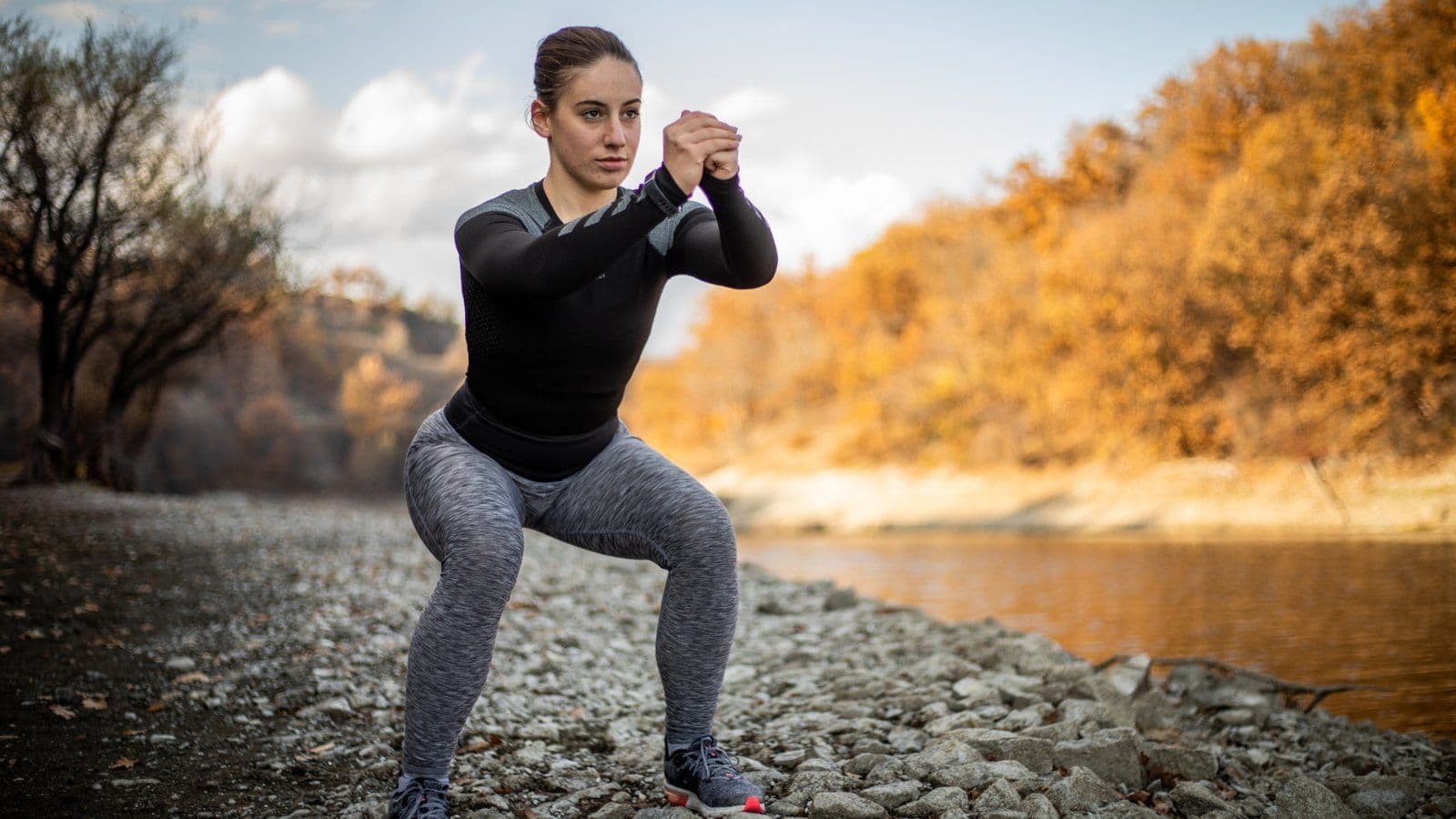
- ●Very intense and unsuitable physical activity (moderate exercise, on the other hand, stimulates endogenous antioxidant defenses)
- ●Natural aging: the production of endogenous antioxidants decreases with age
Family Main molecules Main food sources Polyphenols Flavonoids, resveratrol, ellagic acid, lignans, curcumineoids Red fruits, grapes, moderate red wine, green tea, coffee, cocoa, turmeric, onion, apple Carotenoides Beta-carotene, lycopene, lutein, zeaxanthin, astaxanthin Carrot, sweet potato, cooked tomato, red pepper, spinach, corn, salmon Antioxidant vitamins Vitamin C, vitamin E, beta-carotene (precursor vit. A) Citrus fruits, kiwi, pepper (C), olive oil, oilseeds, wheat germ (E), orange vegetables (carotene) Antioxidant minerals Selenium, zinc, manganese, copper Brazil nuts (selenium), seeds squash (zinc), whole grains, legumes Sulphur compounds Allicin, glucosinolates, isothiocyanates Garlic, onion, cabbage, broccoli, Brussels sprouts, mustard Endogenous enzyme antioxidants Superoxide dismutase, catalase, glutathione peroxidase Produced by the body himself. Their synthesis depends on dietary selenium, zinc, manganese and copper.
2. The main families of food antioxidants
Food antioxidants form a very heterogeneous group of molecules. Contrary to what the marketing suggests, there is no one antioxidant superior to the others - it is their diversity and their synergy that make them effective:
| Color | Main Antioxidants | Associated benefits | Examples |
|---|---|---|---|
| Red / Pink | Lycopene, anthocyanins | Cardiovascular protection, cancer of the prostate | Tomato, watermelon, red pepper, strawberry |
| Orange / Yellow | Beta-carotene, zeaxanthin | Visual health, immunity, skin | Carrot, sweet potato, apricot, mango, yellow pepper |
| Violet / Blue | Anthocyanins, resvEratrol | Neurological, anti-inflammatory, cardiovascular health | Blueberry, eggplant, black grape, red cabbage |
| Dark green | Lutein, chlorophyll, glucosinolates, vitamin C | Eye protection, liver detoxification, anti-cancer | Broccoli, spinach, kale, Brussels sprouts, parsley |
| White / Beige | Allicin, querCetine, polyphenols | Anti-inflammatory, antimicrobial, cardiovascular | Garlic, onion, leek, mushrooms, cauliflower |
3. What the science really says: documented benefits and nuances
Antioxidants are the subject of an abundant, sometimes contradictory, scientific literature. Here is an honest and nuanced reading of the current state of knowledge:
- ●What is well established: a diet rich in fruits and vegetables, the main sources of dietary antioxidants, is associated with a significant reduction in the risk of cardiovascular diseases, certain cancers and neurodegenerative diseases. The PREDIMED study, the Epic cohort and numerous meta-analyses confirm this link.- The question of supplements: the results of clinical trials on supplementation with isolated antioxidants are significantly less positive than those on whole foods. Several large studies have even shown that high-dose beta-carotene supplements increased the risk of lung cancer in smokers (CARET study, 1996). This illustrates a fundamental principle: isolated molecules do not have the same effect as complex food matrices.
- ●The synergy effect: antioxidants do not act alone. In a whole food, they interact with each other and with other components (fiber, minerals, fatty acids) in a synergistic manner. This is why the colorful and diverse plate always outperforms the isolated food supplement in terms of cellular protection.
- ●The exercise paradox: moderate physical activity stimulates endogenous antioxidant defenses via the induction of superoxide dismutase and glutathione peroxidase. Supplementing massively with antioxidants around exercise can paradoxically reduce this beneficial adaptive effect according to recent studies.
4. The color code of the plate: read the cellular protection in colors
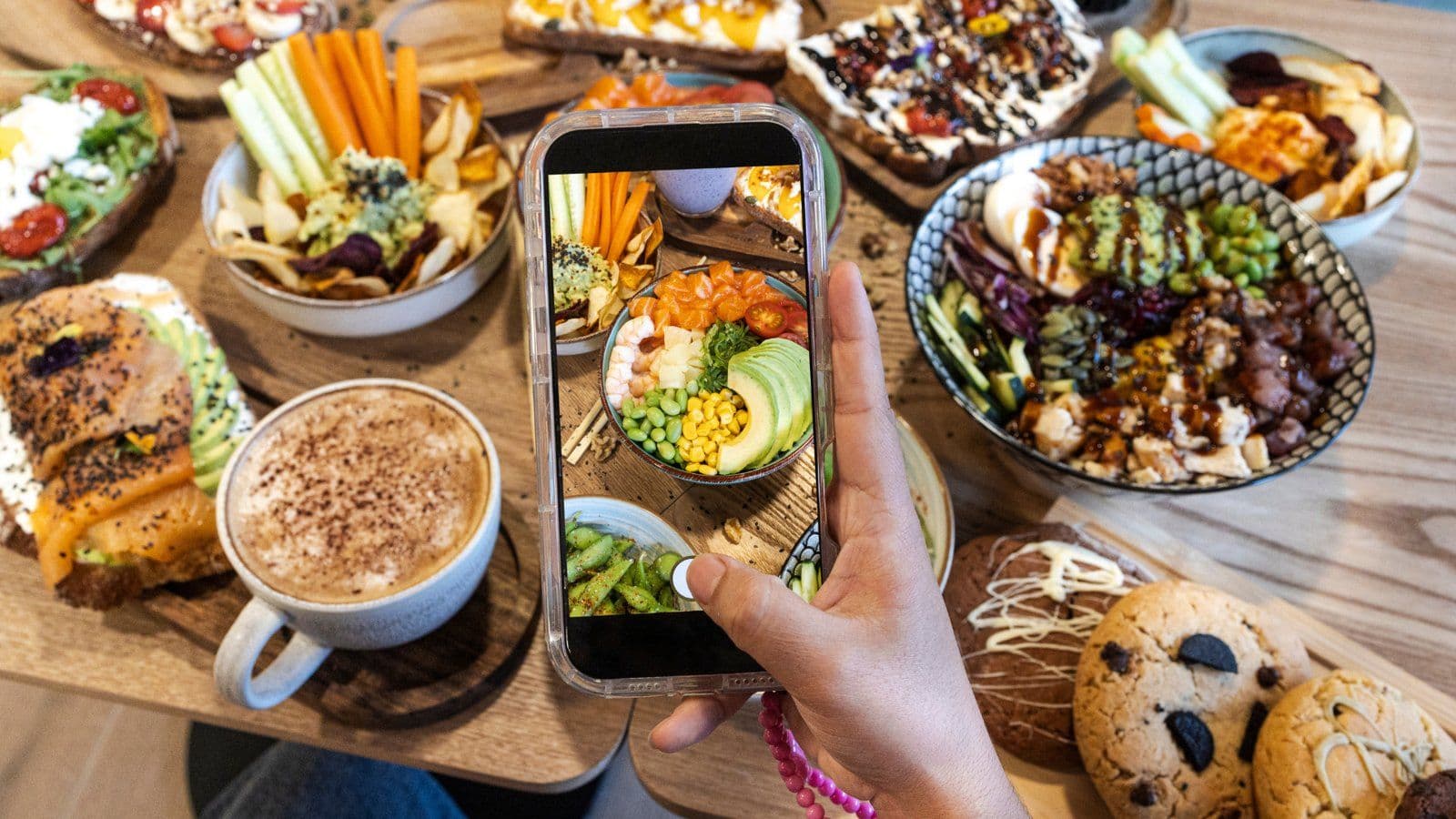
One of the most practical benchmarks for diversifying my antioxidant intake is the color coding of plant foods. Each pigment corresponds to specific antioxidant molecules:
The practical objective: aim for at least 3 different colors on my plate at each meal. No need to know the name of the molecules - the diversity of colors guarantees the diversity of antioxidants.
5. The foods richest in antioxidants: the top according to the ORAC score
The Oxygen Radical Absorbance Capacity (ORAC) score is one of the methods used to measure the antioxidant potential of foods. It should not be taken as an absolute ranking - the bioavailability of antioxidants varies between individuals and preparations - but gives a useful indication of which foods are the most protective:
- ●Spices and herbs: turmeric, cinnamon, ginger, oregano, rosemary, cloves. From the daily quantities used in cooking, their antioxidant contribution is significant.
- ●Small fruits: blueberries, blackcurrants, raspberries, pomegranates, sour cherries. Red and purple fruits are among the richest in anthocyanins, polyphenols with documented anti-inflammatory and neuroprotective effects.
- ●Cruciferous vegetables: broccoli, Brussels sprouts, kale, arugula. Rich in glucosinolates and vitamin C, they are associated with a reduction in the risk of several cancers in epidemiological studies.
- ●Green tea: among the drinks richest in antioxidants, notably in epigallocatechin gallate (EGCG), a flavonoid with anti-inflammatory and antiproliferative properties.
- ●Dark chocolate at least 70%: rich in cocoa flavanols, associated with an improvement in endothelial function and a reduction in blood pressure in several meta-analyses.
- ●Walnuts: rich in ellagic acid, vitamin E and omega-3 fatty acids. Walnuts are the oilseed with the most studied and best documented antioxidant profile.
💡 tips to remember
- Oxidative stress is an imbalance between the production of free radicals and antioxidant defenses. It contributes to cellular aging and the development of chronic diseases.
- Diversity takes precedence over quantity: antioxidants act in synergy. A plate with 5 different colors protects better than a supplement of a single isolated antioxidant.
- I aim for a minimum of 3 colors on my plate at each meal: red, orange, green, purple, white - each color corresponds to different and complementary protective molecules.
- Isolated antioxidant supplements can be counterproductive: several studies have shown neutral or negative effects, particularly for beta-carotene in smokers. Food first.
- Spices are concentrates of antioxidants: turmeric, ginger, cinnamon, oregano. Using them daily in cooking is one of the simplest actions to increase my cellular protection.
- Green tea, minimum 70% dark chocolate and small red fruits are my daily antioxidant allies - with well-documented cardiovascular and neurological benefits.
- Moderate exercise stimulates my endogenous antioxidant defenses: it is the most powerful and least expensive antioxidant there is.