I get up, I down a coffee, I rush to the office, and water... I think about it perhaps at the end of the day when I finally feel thirsty. However, at this point, my body is already in a state of mild dehydration. The good news? Staying hydrated properly is one of the simplest and most powerful habits I can adopt for my daily health. No diet, no supplements, just water. Let me explain to you why this really changes everything.
1. Why is water so essential to my body?
The human body is made up of approximately 60% water in adults. This number alone says it all. Water is not just a comfort liquid: it is at the heart of almost all of the body's biological functions.
Concretely, water plays an essential role in:
- ●Regulation of body temperature via perspiration and respiration
- ●Transport of nutrients and oxygen to cells via the blood
- ●Elimination of metabolic waste through the kidneys, sweat and lungs
- ●Lubrication of joints and connective tissues
- ●The proper functioning of the digestive system and intestinal transit
- ●Concentration, memory and cognitive functions
Even slight dehydration, of the order of 1 to 2% of body weight, is enough to impair cognitive and physical performance. This is the equivalent of 700 ml to 1.4 liters for a 70 kg person - quantities that can easily be lost without realizing it during a heated or air-conditioned office day.
| Profile | Total Recommended Intake | Including drinking water |
|---|---|---|
| Sedentary adult woman | 2.0 liters / day | 1.5 liters minimum |
| Adult male sedentary | 2.5 liters / day | 1.5 to 2 liters |
| Physically active person | 3.0 liters and above | 2 liters and above |
| In hot weather or high heat | + 0.5 to 1 liter / day | To be adapted according to sweating |
| Pregnant women | 300 ml / day | According to medical recommendation |
2. How much water do I really need each day?
Recommendations vary between health organizations, but the most commonly cited benchmarks are:
These figures include water provided by food, which represents approximately 20 to 30% of total water intake. Fruits and vegetables, soups, dairy products contribute significantly to my daily hydration.
Please note: there is no universal rule. My needs vary depending on the season, my activity level, my diet and my health. The best indicator remains the color of my urine: pale yellow = good hydration, dark yellow = I need to drink more.
3. Signs that I'm not drinking enough
Thirst is a late signal of dehydration. My body sends me other signals long before it manifests itself. Here are the ones I'm learning to recognize:
- ●Unexplained fatigue: a drop in energy mid-morning or afternoon is often attributed to lack of sleep or stress, when it may simply signal a water deficit.
- ●Headaches: dehydration causes a reduction in blood volume and therefore a reduction in the supply of oxygen to the brain, which can trigger headaches.
- ●Difficulty concentrating: Even mild dehydration reduces alertness, short-term memory and problem-solving skills - particularly impactful during a long day at work.
- ●Cravings: the brain can confuse thirst and hunger signals. Before snacking, trying to drink a large glass of water is often enough to make the craving go away.
- ●Dry skin and chapped lips: visible signs of a chronic lack of hydration, which also impact skin elasticity and complexion.
4. What dehydrates without me realizing itCertain elements of my daily life promote water loss and increase my hydration needs, often without me thinking about it:
- ●Air conditioning and heating: they dry the ambient air and accelerate the evaporation of skin and respiratory water. A whole day in an air-conditioned office can increase my water loss significantly.
- ●Coffee and tea: although they provide water, their mild diuretic effect increases urine production. One or two coffees per day are no problem, but beyond that, I compensate with an additional glass of water.
- ●Alcohol: strongly diuretic, it promotes rapid dehydration. This is the main cause of morning-after headaches.
- ●Stress and intense mental activities: the brain during exercise consumes more glucose and generates more heat, which increases water needs.
- ●A diet that is too salty: salt increases water needs to maintain the body's osmotic balance.
5. My gentle strategies to better hydrate myself every day
Staying sufficiently hydrated is not a constraint, it is a habit that can be established gradually with a few simple tips:
- ●I keep a bottle or a large glass of water visible on my desk: what I see, I consume. Accessibility is the first lever for changing habits.
- ●I start each morning with a large glass of water before my coffee: at night, I lose water without realizing it through breathing and perspiration. This simple gesture compensates for this deficit.
- ●I hydrate before I feel thirsty: I get into the habit of drinking regularly every hour rather than waiting for the feeling of thirst.
- ●I make water more pleasant: a slice of lemon, a few mint leaves, slices of cucumber or red fruits are enough to transform a glass of ordinary water into a thirst-quenching and tasty drink.
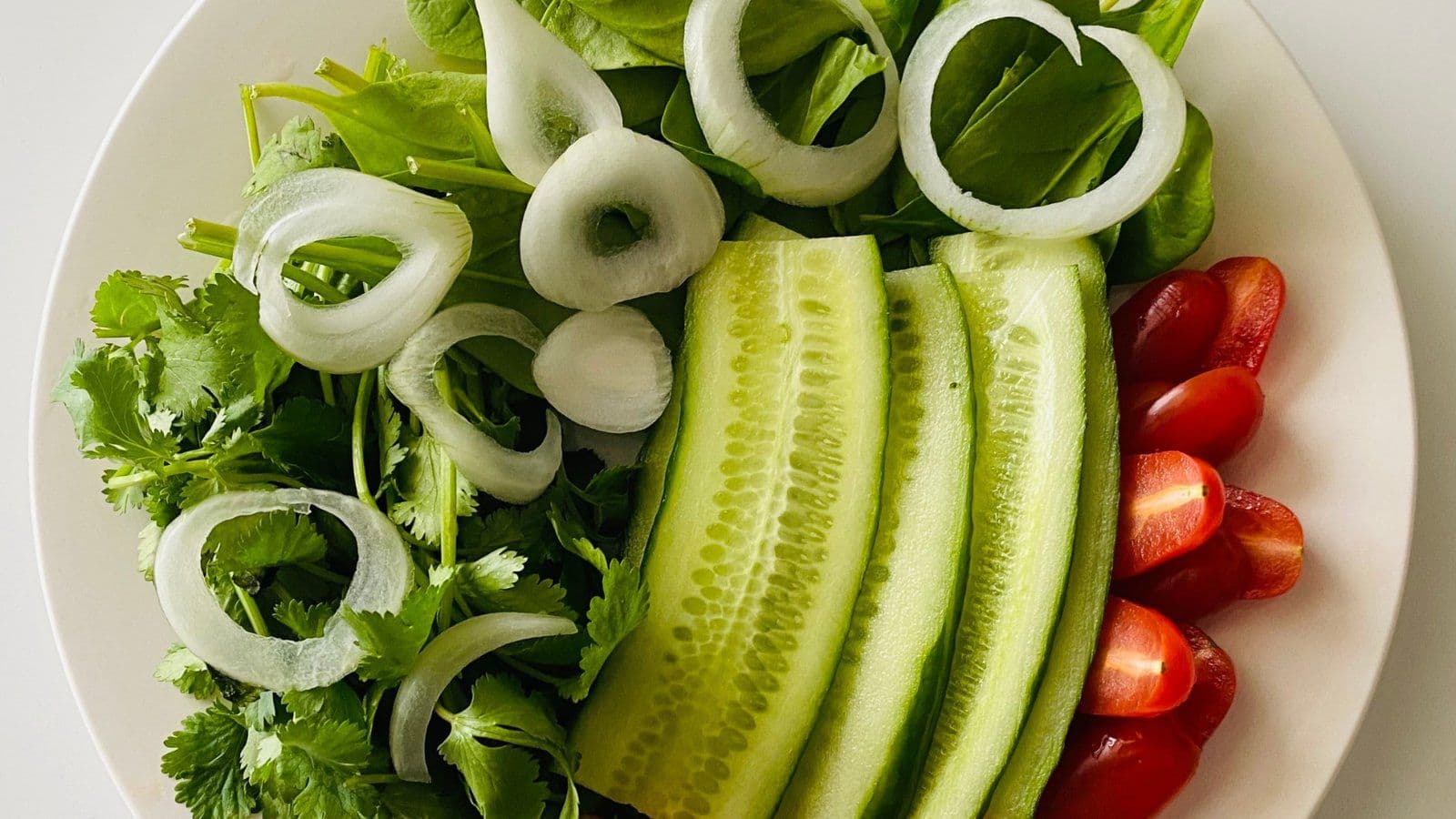
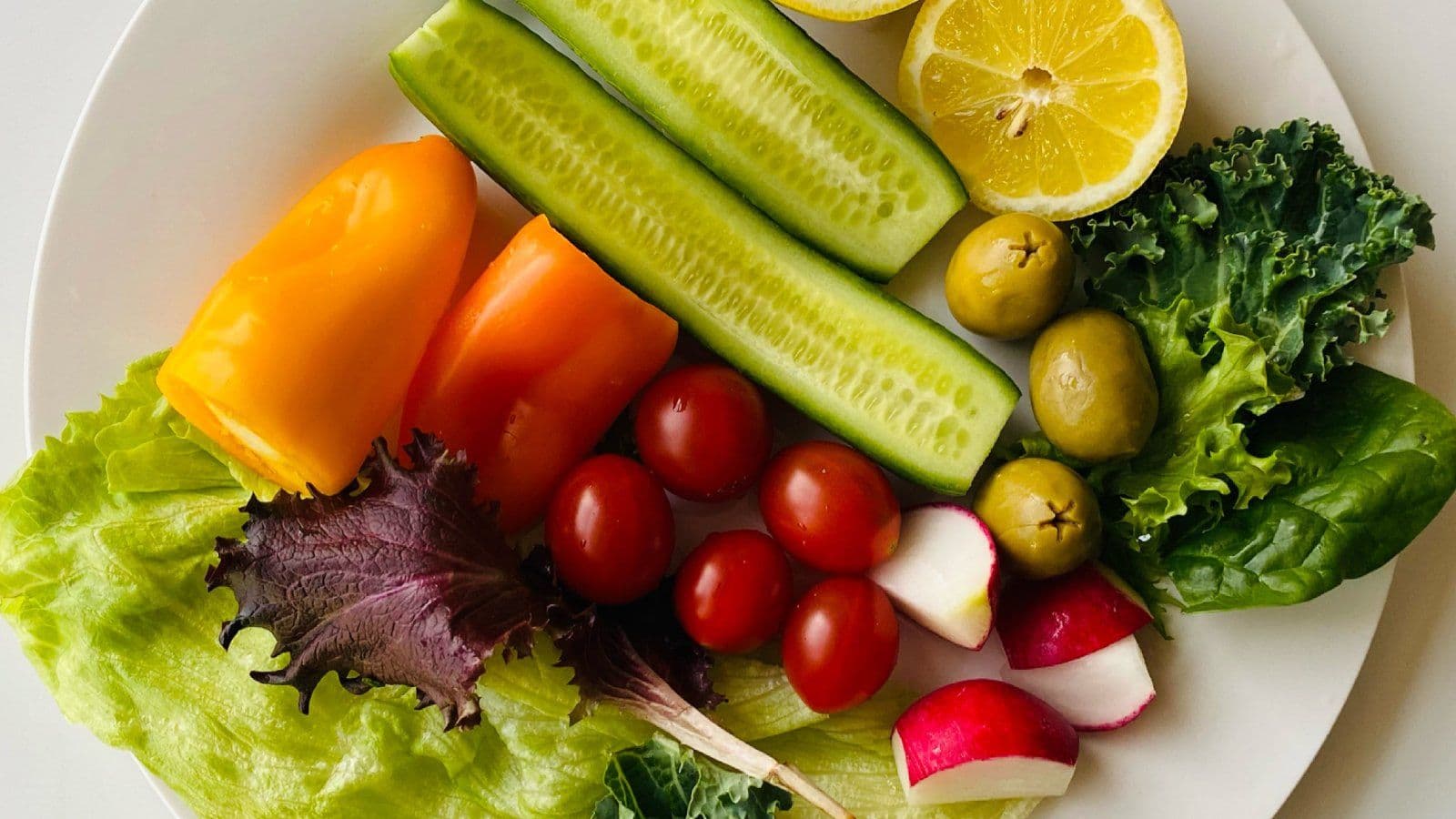
- ●I count foods rich in water in my hydration: cucumber (96% water), tomato (95%), watermelon (92%), zucchini (94%), strawberry (91%). By eating seasonal fruits and vegetables, I naturally contribute to my hydration.
- ●I set a gentle alarm on my phone mid-morning and mid-afternoon to remind me to drink if I tend to forget.
6. Tap water, bottled water: which one to choose?
In France, tap water is one of the most controlled in the world. It is subject to more than 60 quality parameters constantly monitored by the Regional Health Agencies (ARS). It is safe, economical and ecological.
Natural mineral waters are of interest for certain specific profiles: waters rich in calcium (Contrex, Hepar) for people who consume little dairy products, bicarbonate waters (Vichy, Saint-Yorre) to facilitate digestion after meals. But for the majority of us, tap water remains the most sensible choice on a daily basis.
The water filter may be an option if the taste of chlorine bothers you, but it does not fundamentally change the sanitary quality of the water.
💡 tips to remember
- My body is made up of 60% water: the slightest dehydration, even slight, impacts my concentration, my energy and my mood long before thirst appears.
- I aim for 1.5 to 2 liters of drinking water per day, plus water intake from food. My needs increase with heat, physical activity and stress.
- The color of my urine is my best indicator: light yellow = I am well hydrated, dark yellow = I need to drink more.
- I start each day with a large glass of water before my coffee: my body is always slightly dehydrated when I wake up after a night's sleep.
- I keep a bottle visible on my desk: what I see, I drink. Accessibility is the first lever to creating a hydration habit.
- Afternoon cravings are often thirst in disguise: before snacking, I first try a large glass of water.
- Fruits and vegetables count: cucumber, tomato, zucchini, watermelon naturally contribute to my daily hydration.