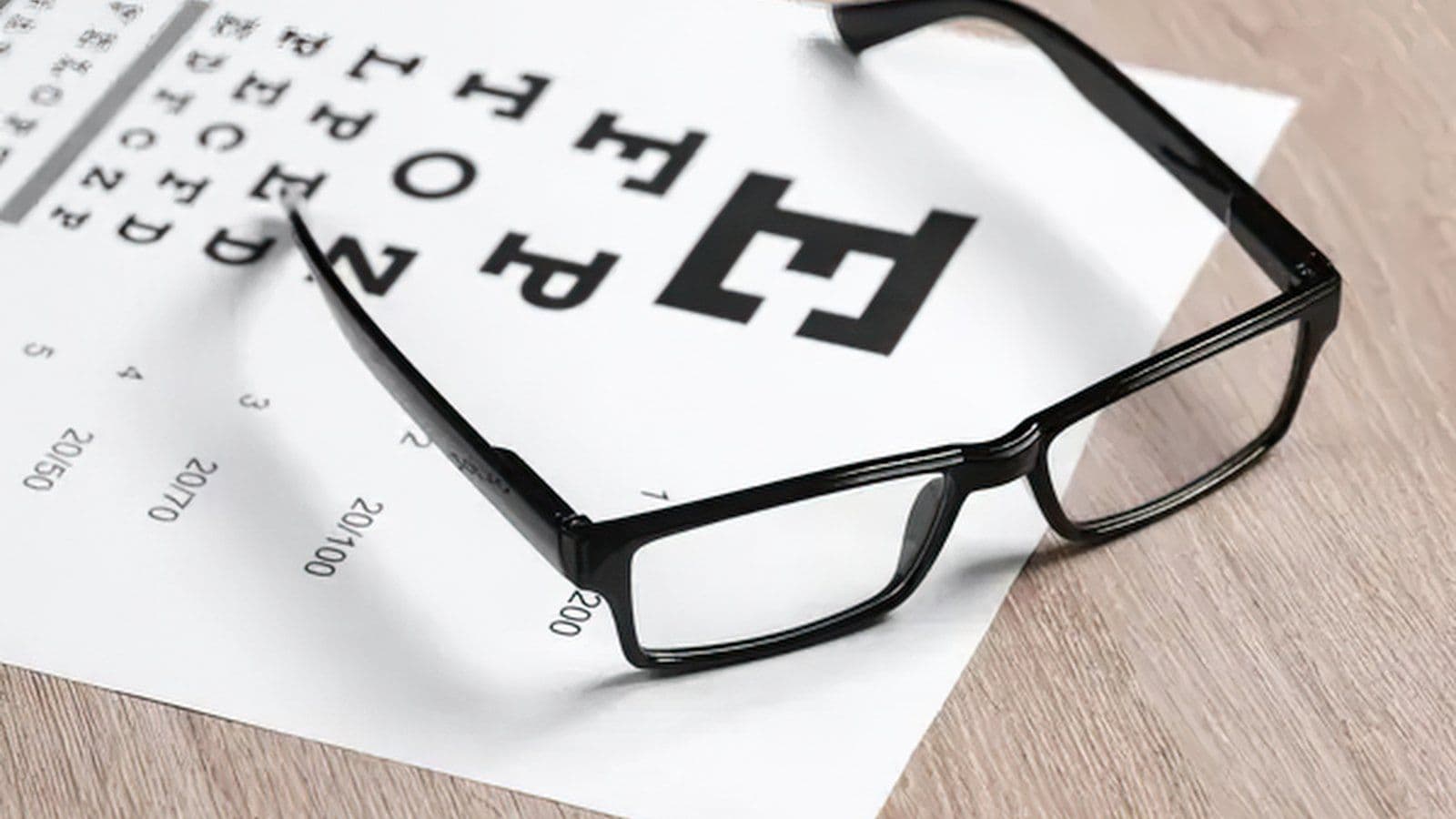
We easily consult for pain, more rarely to check senses that “still work”. However, vision and hearing gradually deteriorate, and their impairment impacts quality of life, safety and even social relationships. Regular monitoring allows early detection and correction.
1. Vision: monitoring at all ages
Vision problems can appear at any age: myopia and astigmatism in young people, presbyopia after the age of 45, then age-related diseases such as cataracts, glaucoma or AMD. Some, like glaucoma, progress for a long time without symptoms, hence the importance of screening.
2. When to consult an ophthalmologist?
| Age / situation | Indicative frequency |
|---|---|
| Children | Screening from the earliest years |
| Adult without disorder | Every 2 to 5 years |
| After 45 – 50 years | More regularly (presbyopia, glaucoma) |
| Diabetes, history | Close follow-up, depending on doctor |
Signs such as decreased vision, headaches, difficulty reading or blurred vision warrant a consultation.
3. Hearing: an often forgotten sense
Hearing loss often sets in insidiously. We rehearse, we turn up the sound, we avoid group conversations. Uncorrected, it promotes social isolation and weighs on cognitive health. A hearing test is simple and painless.
4. Preserve your senses on a daily basis
- Protect your eyes from the sun with suitable glasses
- Limit exposure to loud sounds and protect your ears in noisy environments
- Take breaks when working on a screen
- Consult at the first signs rather than adapting to the discomfort
Correcting a visual or hearing problem early means preserving your autonomy, your safety and your social life.
💡 tips to remember
- Sight and hearing often decline slowly: we adapt without realizing it, hence the importance of regular screening.
- Certain eye diseases such as glaucoma progress for a long time without symptoms: only an examination can identify them in time.
- A visual assessment every 2 at 5 years in adults, more regular after 45-50 years, helps to correct problems early.
- Uncorrected hearing loss promotes social isolation and weighs on cognitive health: repeating often should alert you.
- I protect my senses on a daily basis: sunglasses, protection in noisy environments, screen breaks, and consultation at the first signs.