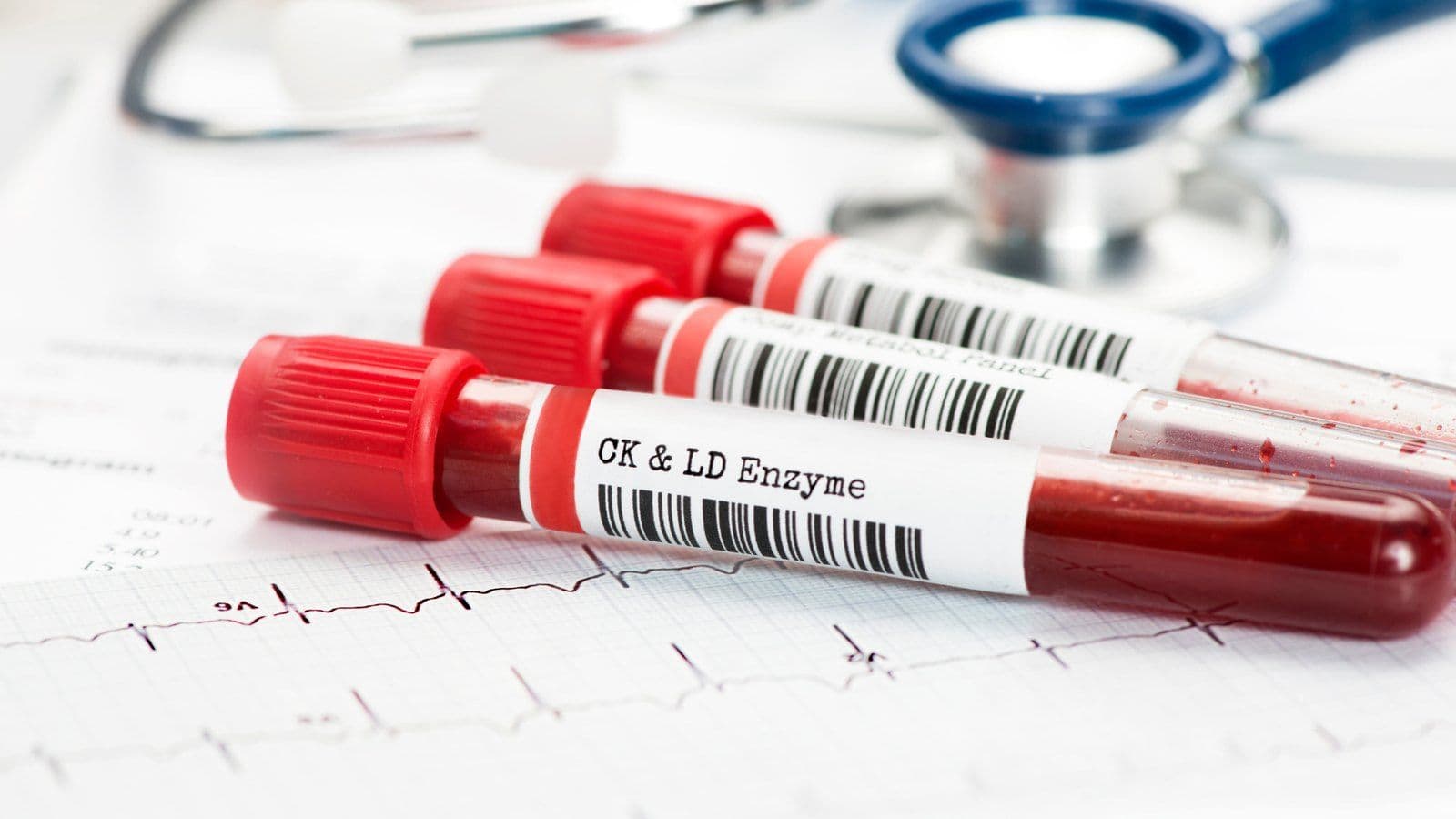
Receiving your analysis results can be confusing: dozens of acronyms, values, up or down arrows. Without replacing the doctor's interpretation, understanding what the main markers correspond to allows you to better understand what is being evaluated and why. A brief overview of the most common exams.
1. Complete blood count (CBC)
The CBC counts and analyzes blood cells: red blood cells (which transport oxygen), white blood cells (which defend the body) and platelets (which participate in clotting). This is one of the most common exams.
A drop in red blood cells or hemoglobin can suggest anemia, often linked to iron deficiency. An increase in white blood cells frequently accompanies an infection. These values must always be interpreted in their context.
2. Blood sugar and lipid profile
Fasting blood sugar measures blood sugar levels. A repeatedly high value indicates prediabetes or diabetes. The lipid profile measures cholesterol and triglycerides.
| Marker | What it says | Usual mark* |
|---|---|---|
| Fasting blood sugar | Sugar regulation | 0.70 – 1.10 g/L |
| LDL Cholesterol | “Bad” cholesterol | Interpret according to risk |
| HDL Cholesterol | “Good” cholesterol | The higher the better |
| Triglycerides | Circulating fats | < 1.50 g/L |
*These benchmarks are indicative and vary depending on the laboratories and the profile of each person. Only the doctor interprets the results.
3. Kidney and liver function
Creatinine and glomerular filtration rate (GFR) assess kidney function. Transaminases (AST, ALT) provide information about the liver. These markers make it possible to monitor essential organs, particularly in the event of long-term treatment.
4. How to read your results without worrying wrongly
A value slightly outside the benchmarks does not necessarily mean illness: the standards are statistical, and many factors (hydration, effort, time of day) influence the results. Conversely, “normal” values do not exclude everything.
The main thing is to report your results to your doctor, who interprets them according to the entire clinical picture. An isolated result is always reread over time.
💡 tips to remember
- A blood test evaluates several organs at the same time: the CBC explores blood cells, blood sugar, sugar, lipid profile, fats, and creatinine, kidneys.
- Laboratory “standards” are statistical: a value slightly off the mark does not necessarily mean illness, and a normal result does not exclude everything.
- Hydration, recent effort or the time of day influence certain results: fasting is sometimes required, follow laboratory instructions.
- An isolated result is always read over time: it is the evolution that counts as much as the one-off value.
- Only the doctor interprets a blood test in its overall context: I systematically report my results to him rather than self-diagnose.