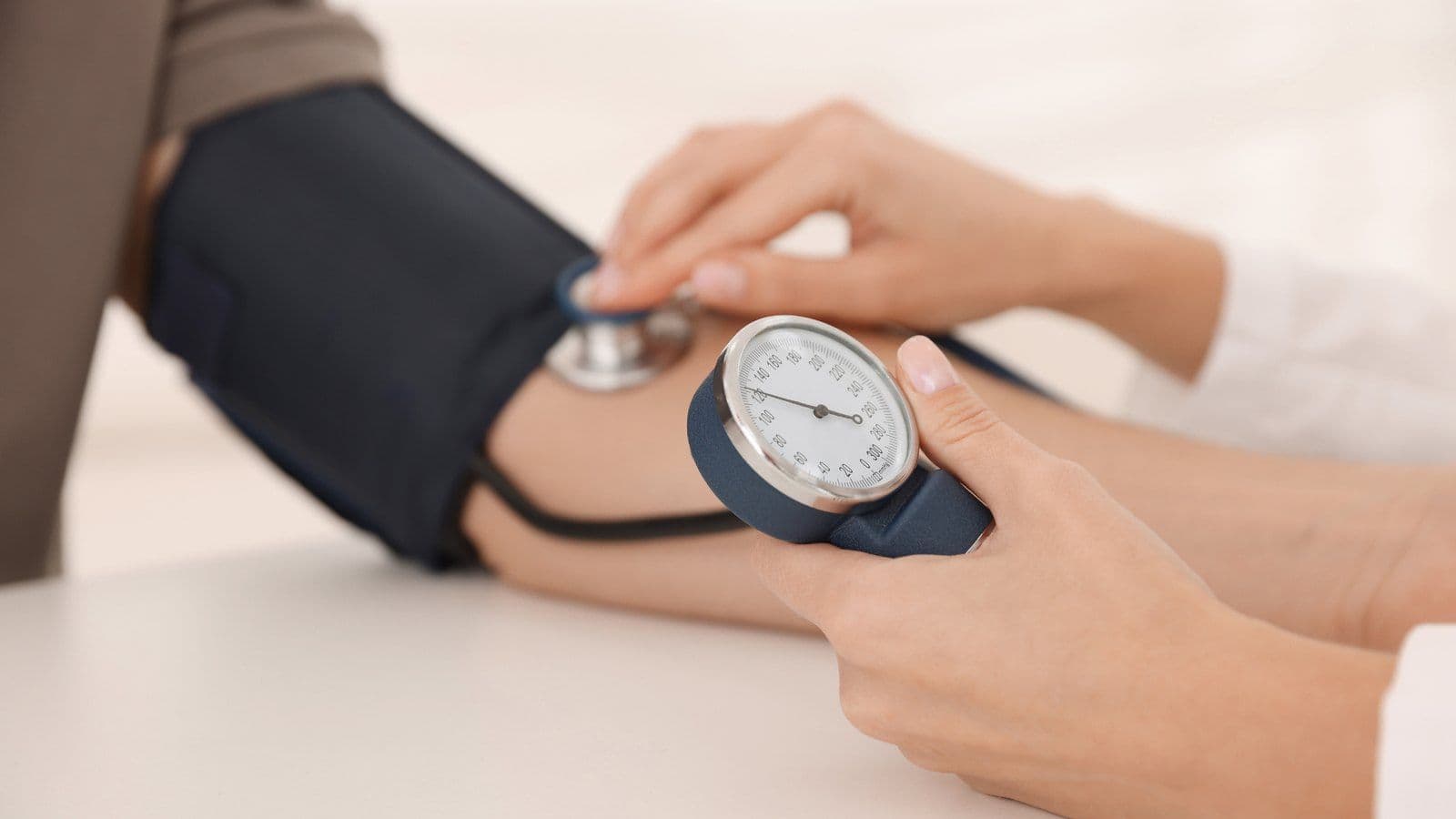
Blood pressure corresponds to the pressure exerted by blood on the walls of the arteries. Too high over a long period of time, it tires the heart and damages the vessels, increasing the risk of heart attack, stroke and kidney failure. The problem: hypertension is most often silent. Hence the importance of measuring it and understanding its figures.
1. What do the two numbers mean?
The tension is expressed by two values. The first, systolic pressure, corresponds to the contraction of the heart. The second, diastolic pressure, corresponds to its resting phase. They are expressed in centimeters or millimeters of mercury (for example 12/8, or 120/80 mmHg).
| Category | Systolic | Diastolic |
|---|---|---|
| Optimal blood pressure | < 120 mmHg | < 80 mmHg |
| Normal blood pressure | 120 – 129 | 80 – 84 |
| High-normal blood pressure | 130 – 139 | 85 – 89 |
| Hypertension | ≥ 140 | ≥ 90 |
These thresholds correspond to the usual benchmarks in adults; the doctor adapts them to each situation.
2. Why hypertension is dangerous
Long-term high blood pressure places additional work on the heart and weakens the arteries. Over time, this promotes atherosclerosis, increases the risk of stroke, and can damage the kidneys and eyesight. As this damage sets in without symptoms, it is called a “silent killer”.
3. Measure your blood pressure carefully at home
Self-measurement of blood pressure is very useful, provided you respect a few rules: be calm for several minutes, seated, back supported and arm placed at heart level. We often recommend the “rule of 3”: three measurements in the morning and three in the evening, several days in a row.
- Avoid coffee, tobacco and exercise in the preceding half hour
- Use a validated blood pressure monitor, preferably on the arm
- Note the values to present to the doctor
4. What to do in case of high voltage?
A single high measurement is not enough to make a diagnosis: it is the repetition that counts. In the event of confirmed high blood pressure, the doctor first suggests lifestyle measures (salt reduction, physical activity, weight loss, limitation of alcohol) then, if necessary, treatment.
The good news: hypertension is very well controlled when managed, which greatly reduces the risk of complications.
💡 tips to remember
- High blood pressure is most often silent: the only way to spot it is to measure your blood pressure regularly, even when you feel well.
- A blood pressure is considered high from 140/90 mmHg in the office, but the diagnosis is based on repeated measurements, never on a single value.
- For self-measurement, I apply the “rule of 3”: 3 measurements in the morning and 3 in the evening, several days, calmly and with my arm at heart level.
- Reduce salt, move, limit alcohol and lose weight if necessary are the first effective measures against hypertension.
- Hypertension is very well controlled when managed: treating it greatly reduces the risk of heart attack, stroke and kidney damage.