It's 10:30 a.m., I had breakfast at 7 a.m. and my lunch isn't until 1 p.m. My stomach manifests itself discreetly, my concentration falters a little. Am I eating something? Is it really useful, or will I risk snacking unnecessarily and compromising my balanced diet? The question of snacking divides nutritionists and dieticians alike. Here is a nuanced, caring response based on the available data - so that I can make an informed decision, without guilt.
1. Snack: neither obligatory nor prohibited
Let's start by dispelling a myth: there is no universal rule on the ideal number of meals per day. Three meals, four meals, five meals... scientific studies have not established a clear consensus on the optimal frequency of food intake for the general healthy population.
What matters is the answer to this simple question: am I really hungry, or is it something else?
- ●Physiological hunger: it appears gradually, several hours after the last meal. It is accompanied by physical signals (gurgling, slight drop in energy) and disappears after eating.
- ●Emotional hunger: it appears suddenly, often in response to stress, boredom or fatigue. It directs us towards specific foods (sugar, fat) and is sometimes accompanied by guilt after eating food.
- ●Hunger by habit: it is triggered by a schedule, a context (coffee break, meeting) or a visual stimulus (bowl of candy on the desk) rather than by a real physiological need.
If it is physiological hunger that manifests itself between two meals, a snack is completely legitimate and beneficial. If it's one of the other two forms, it's best to first explore what's happening on an emotional or habitual level before eating.
| Snack | Calorie intake | Primary nutritional benefit |
|---|---|---|
| 1 handful of walnuts (30 g) | ~180 kcal | Omega-3, magnesium, plant proteins, lasting satiety |
| 1 natural yogurt + 1 fresh fruit | ~120 kcal | Protein, calcium, fiber, vitamins. Very filling |
| 1 apple + 1 tbsp. a tablespoon of almond butter | ~150 kcal | Soluble fiber + good fats = optimal satiety |
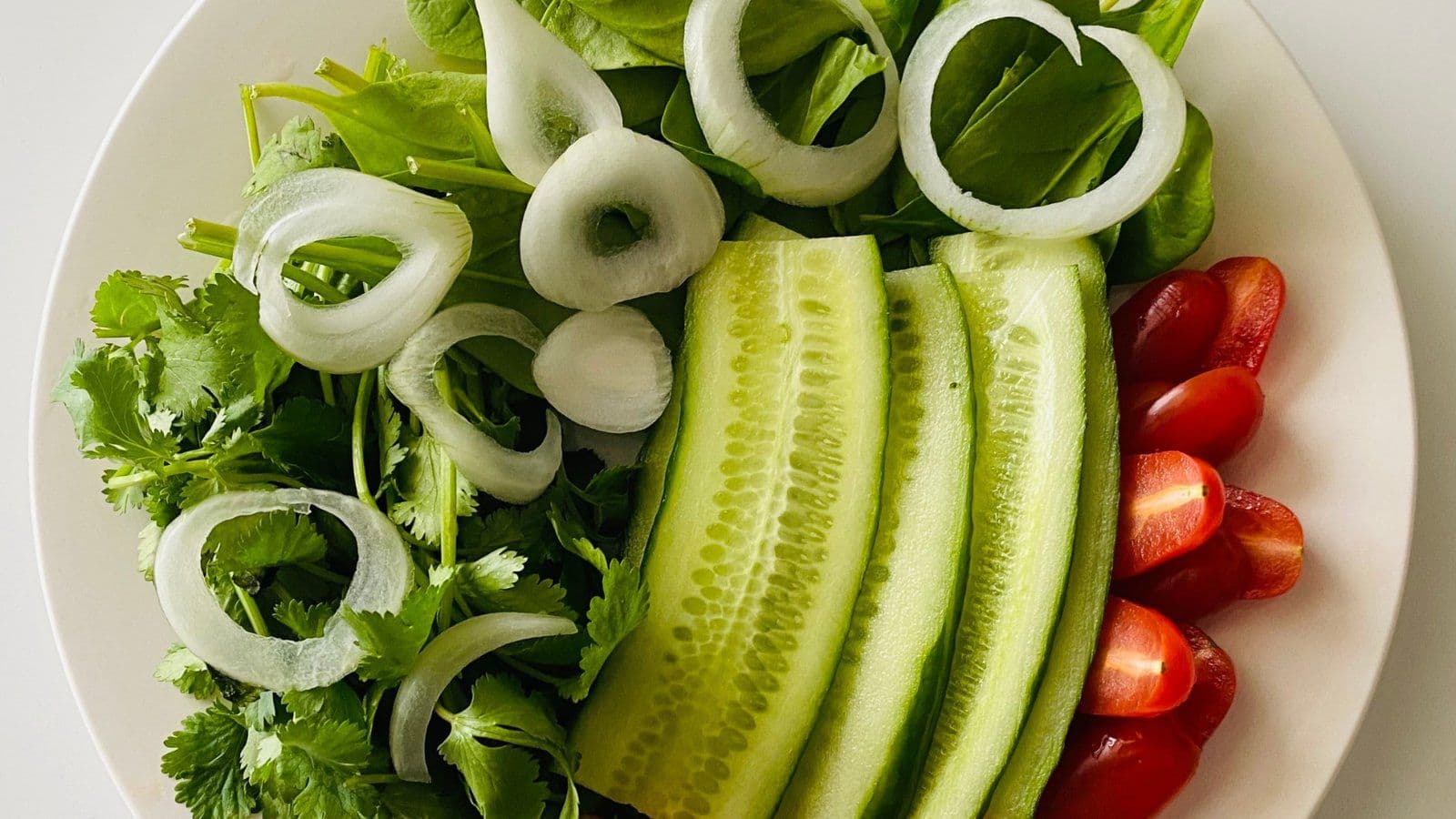
| Crudites + hummus (80 g) | ~130 kcal | Fiber, vegetable proteins, iron, vitamins A and C |
| 1 slice wholemeal bread + avocado fats, B vitamins, potassium | ~160 kcal | Fibre, healthy fats, B vitamins, potassium |
| 2 squares of 70%+ dark chocolate | ~70 kcal | Antioxidants, magnesium, appetite suppressant effect documented |
| 0% white cheese + red fruits | ~100 kcal | Protein, antioxidants, low calories, very filling |
2. When the snack is really useful
In certain situations, snacking is not only allowed - it is recommended to maintain my energy balance and my daily performance:
- ●When the interval between two meals exceeds 5 hours: my brain consumes glucose continuously. Too long an interval between meals can cause a drop in blood sugar, leading to fatigue, irritability and difficulty concentrating - particularly detrimental during a long morning or afternoon at work.
- ●Before physical activity: a small snack 30 to 60 minutes before exercise (fruit, homemade cereal bar, yogurt) optimizes performance and prevents exercise hypoglycemia.
- ●After intense physical activity: a protein-carbohydrate snack within 30 minutes of exercise promotes muscle recovery.- For people with diabetes or hypoglycemia: the snack can be a therapeutic tool recommended by the doctor to stabilize blood sugar levels throughout the day.
| I replaces... | By... |
|---|---|
| Industrial biscuits (100-200 kcal of sugar and trans fat) | 1 handful of oilseeds or 2 squares of chocolate black |
| Chocolate bar from the dispenser (~250 kcal, sugar) | 1 natural yogurt + fresh fruit or cottage cheese + red fruits |
| Industrial fruit juice (~100 kcal of sugars fast) | 1 whole fruit or water with fresh fruit |
| Dirty chips or crackers (empty of nutrients) | Crudites + hummus or 1 slice of wholemeal bread + avocado |
| Sweetened coffee and a morning pastry | Sugar-free coffee + 1 handful of nuts or 1 seasonal fruit |
3. The ideal snack: what it should bring
A good snack is not just a snack to fill a hunger gap. It must meet three key nutritional criteria:
- ●Provide satiety until the next meal without replacing it: between 100 and 200 kcal is a reasonable range for most adults
- ●Stabilize blood sugar: favor foods with a low or moderate glycemic index to avoid the glycemic peak followed by the energy trough
- ●Provide beneficial nutrients rather than empty calories: fiber, proteins, good fats, vitamins and minerals
Here are my ideas for truly beneficial snacks, classified according to their nutritional profile:
4. Snack traps: what I replace
Some snacks seem harmless or even healthy, but mask a less favorable nutritional reality. Here are the most useful substitutions to make:
5. Snacking when not hungry: approach it gently
When I snack without really feeling hungry, kindness to myself is the first response. Emotional or compulsive snacking is a very common behavior, especially during times of stress or intensive work. Judging him or making him feel guilty only makes the relationship with food worse.
Some gentle ways to get back in touch with my real hunger signals:
- ●Before snacking, I pause for 5 minutes and ask myself the question: am I really hungry or am I looking for something else (comfort, a break, stimulation)?
- ●I drink a large glass of water: dehydration is often confused with hunger, and this simple action frequently resolves the urge to snack.
- ●I step away from my screen for a short active break: a 5-minute walk breaks the cycle of snacking linked to boredom or office stress.
- ●I remove the visual detonators: if the bowl of candy on the desk pushes me to snack without hunger, I replace it with a bowl of fruit or I simply remove it.- I don't deprive myself of pleasure: an occasional less nutritious snack has no impact on my overall health. Balance is a long-term issue, not meal by meal.
💡 tips to remember
- Snacks are neither obligatory nor forbidden: it all depends on whether I'm really hungry. If the interval between two meals exceeds 5 hours and I feel physiological hunger, a snack is welcome.
- I ask myself the question before snacking: physical hunger, emotional hunger or habitual hunger? The answer guides my action.
- My ideal snack provides between 100 and 200 kcal, stabilizes my blood sugar and keeps me going until the next meal: nuts, natural yogurt, fresh fruit, raw vegetables and hummus are my best allies.
- I avoided fast sugar snacks: industrial biscuits, chocolate bars and fruit juices cause a glycemic peak followed by a dip in energy which aggravates fatigue.
- A large glass of water before snacking: dehydration is often confused with hunger. This simple reflex avoided a lot of unnecessary snacking.
- I remove the visual detonators: I replace the bowl of candy with a bowl of fruit. What I see, I eat - as long as it's something good for me.
- No guilt: a less nutritious snack every now and then does not compromise my health. Balance is built in the long term, with kindness.