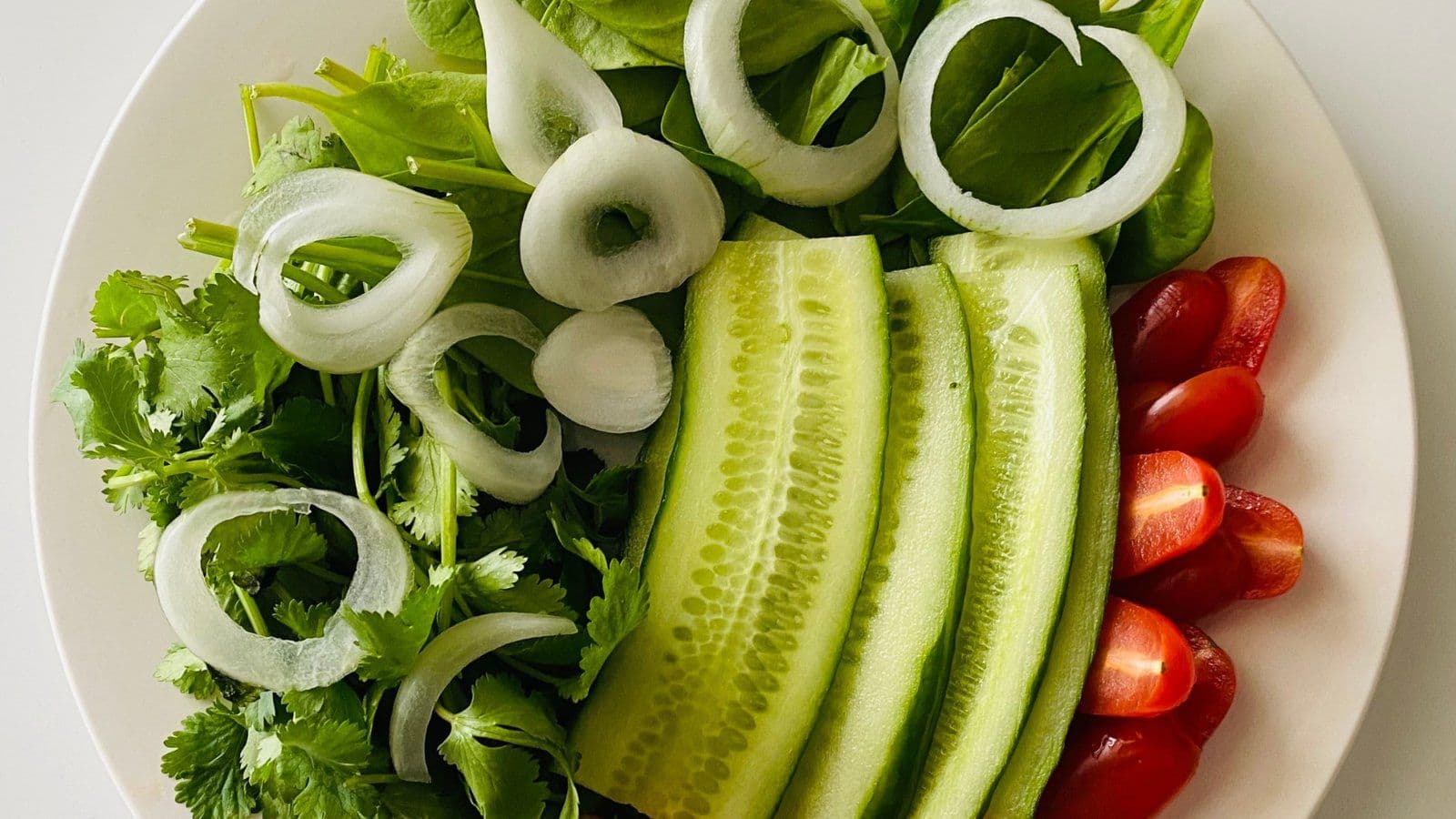
A difficult day at the office, an argument, the boredom of a rainy Sunday, the anxiety that builds before an important presentation... and before I even realize it, I find myself opening the cupboard or the fridge. This behavior - eating to respond to emotion rather than physiological hunger - is one of the most common and least understood. I want to talk to you about this subject with the gentleness it deserves, without judgment and without miracle solutions. Because emotional nibbling is not a character weakness: it is a human and biological response to an emotion that seeks to be heard.
1. Understanding emotional snacking: biology before psychology
Emotional snacking isn't just about lack of willpower. It has well-identified biological bases which explain why we all use it, to varying degrees:
- ●The dopamine reward system: eating foods rich in sugar, salt and fat activates the brain's reward circuit by releasing dopamine - the molecule of pleasure and motivation. In times of stress or sadness, where dopamine is often in deficit, the brain seeks to compensate through hyperpalsatable foods. It's a biological response, not a lack of willpower.
- ●Cortisol and food cravings: Chronic stress maintains high levels of cortisol, which increases cravings for high-calorie and sugary foods. Cortisol also stimulates the release of ghrellin, the hunger hormone, creating physiological hunger amplified by emotional state.
- ●Serotonin and dietary comfort: certain foods rich in tryptophan facilitate the synthesis of serotonin, the neurotransmitter of well-being. My brain learned that eating certain foods brought a feeling of comfort – an association that consolidated with repetition.
- ●Anchored habits: in childhood, food is often used as a reward or as consolation. These behavioral patterns are deeply imprinted and resurface in adulthood in the form of automatic reflexes in stressful situations.
Physiological hunger Emotional hunger Appears gradually Appears suddenly, without warn May wait 15 to 20 minutes Demands immediate gratification Takes satisfaction from any nutritious food Orients towards a specific food (often sugar or fat) Disappears after eating Persists even after eating, or generating food guilt Accompanied by physical signals (gurgling stomach, drop in energy) Accompanied by an identifiable emotion (stress, boredom, sadness, anxiety) No guilt after the meal Often followed by guilt or shame
2. Physical hunger or emotional hunger: learn to tell the difference
The first step toward a more peaceful relationship with food is to learn to distinguish the two types of hunger. It's not always easy - emotion can confuse the signals - but a few guidelines help:
I'm not trying to assess every food craving with this chart - that would become an additional source of anxiety. It's simply about gradually developing an awareness of what's happening inside me when I want to eat.
3. The emotions that most often trigger snacking
All emotions can potentially trigger an episode of emotional snacking, but some are particularly associated with it according to research in eating psychology:
- ●Stress and anxiety: the most common. Feeding provides an immediate break, a feeling of control in a situation perceived as uncontrollable, and an activation of the reward circuit that temporarily relieves tension.
- ●Boredom: in the absence of stimulation, the brain seeks dopamine through other routes - and food is the most accessible. Boredom snacking is often automatic and not very conscious.
- ●Fatigue: sleep deprivation increases ghellin (hunger hormone) and reduces leptin (satiety hormone), but it also reduces decision-making abilities and resistance to food impulses.
- ●Sadness and loneliness: eating activates the same brain circuits as social connections. In the absence of human connection, some people unconsciously compensate through food.
- ●Reward and celebration: food is culturally associated with positive events. Rewarding yourself with food after an effort is a very common pattern and not necessarily problematic in itself.
4. My gentle strategies to gradually free myself from itI want to be clear: the goal is not to eliminate emotional eating by force. This repressive approach almost always fails and generates additional guilt. The goal is to develop a more conscious and freer relationship with food, not to perfect it:
- ●The 10 minute break: before snacking, I take 10 minutes. I ask the question: am I really hungry or am I feeling something else? If it's an emotion, I can name it. Often, the simple act of naming the emotion (stress, boredom, fatigue) is enough to reduce its intensity and the desire to eat decreases.
- ●The journal of emotions and desires: keeping a small journal for a few weeks where I note the time, the emotion felt and the desire for food helps me identify my personal patterns. Once the triggers are identified, I can anticipate and prepare other responses.
- ●Develop non-food comfort alternatives: I make my own list of activities that bring me well-being without relying on food: 10-minute walk, call a friend, music, reading, deep breathing, hot bath. The goal is not to deprive myself but to expand my repertoire of emotional responses.
- ●Not having hyper-palatable food within reach: if chips and milk chocolate aren't in the cupboard, I can't indulge in them impulsively. It's not deprivation: it's managing my environment to make my life easier.
- ●Eat with pleasure and without guilt when it's emotional: if after a 10-minute break I still decide to eat something comforting, I do it consciously, with pleasure, without judging myself. Post-snacking guilt is more damaging to the relationship with food than the snacking itself.
5. When emotional snacking becomes an eating disorder
It is important to distinguish occasional emotional snacking - universally human - from eating disorders (TCA) which require specialized support:
- ●Binge eating disorder is characterized by recurrent episodes of massive food intake in a short time, with a feeling of loss of control, shame and significant distress. It affects approximately 2 to 3% of the population.
- ●Bulimia involves episodes of eating compulsions followed by compensatory behaviors (vomiting, laxatives, fasting).
- ●These disorders require support from a specialized health professional (doctor, dietician, psychologist or psychiatrist). They do not resolve themselves and are not a matter of will.
If I recognize myself in repetitive patterns of loss of eating control accompanied by significant distress, I am not alone with that. Talking to my doctor is the first step, without shame or judgment.
💡 tips to remember
- Emotional nibbling is not a character weakness: it is a normal biological response to an emotion. Cortisol, dopamine and serotonin explain this universal behavior. I am learning to distinguish physical hunger from emotional hunger: emotional hunger comes suddenly, demands a specific food and persists after eating. Physical hunger is gradual and is satisfied with everything.
- The 10-minute break before snacking: I name the emotion felt (stress, boredom, fatigue, sadness). Naming the emotion often reduces its intensity and the desire to eat decreases.
- I develop my repertoire of non-food comfort: walking, music, calling a friend, breathing. The goal is not to deprive myself but to expand my emotional response options. I manage my environment: if hyper-palatable foods are not within reach, I cannot indulge in them impulsively. It's making my choices easier, not depriving myself.
- When I still snack emotionally, I do it consciously and without guilt: post-snacking shame is more damaging to my relationship with food than the snacking itself.
- If I recognize myself in recurrent episodes of loss of control with significant distress, I speak to my doctor: eating disorders are treatable, with appropriate support.