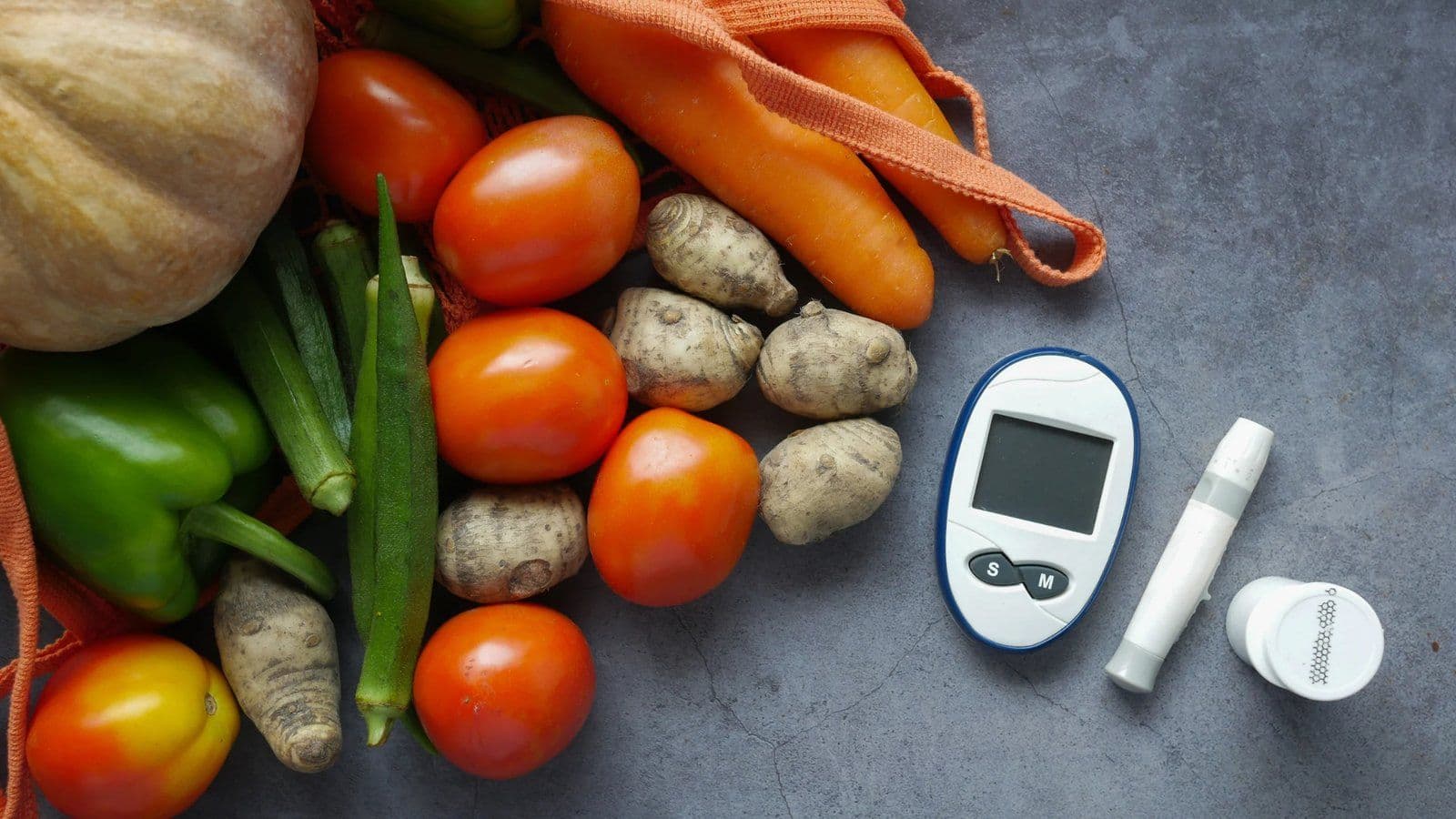
Bread, rice, pasta, fruit: all contain carbohydrates, but their effect on blood sugar differs greatly. The glycemic index (GI) measures how quickly a food raises blood sugar levels. Understanding it well allows you to make more favorable choices, particularly useful in cases of diabetes or prediabetes.
1. What is the glycemic index?
The glycemic index ranks foods according to their ability to raise blood sugar levels after consumption. A high GI food causes a rapid spike in sugar, often followed by a sharp drop. A low GI food releases glucose more gradually.
| IG | Examples | Effect |
|---|---|---|
| Bottom | Legumes, most vegetables | Slow release |
| Medium | Brown rice, wholemeal bread | Intermediate |
| High | White bread, potatoes, sugar | Quick peak |
2. What causes the GI to vary
The GI of a food is not fixed. Cooking (very cooked pasta has a higher GI), the presence of fiber, fat or protein in the meal, and the degree of processing modify the actual effect on blood sugar.
3. The glycemic load, to go further
The GI does not tell everything: you must also take into account the quantity consumed. Glycemic load combines GI and portion. A food with a high GI but consumed in small quantities can have a moderate impact.
4. Use IG every day
- Prefer whole grains rather than refined ones
- Combine carbohydrates with fiber, proteins or good fats
- Prefer whole fruits to juices
- Avoid excessive cooking of starchy foods
It is not a question of tracking down each IG, but of adopting simple reflexes which smooth blood sugar levels and avoid peaks. These choices benefit everyone, diabetics or not.
💡 tips to remember
- The glycemic index measures the speed at which a food raises blood sugar: a low GI releases glucose more gradually.
- The GI of a food is not fixed: cooking, fiber, fats and proteins of the meal modify its real effect.
- The glycemic load combines GI and portion: a high GI food in small quantities can have a moderate impact.
- I associate carbohydrates with fiber, protein or good fats and I prefer whole grains to refined ones.
- No need to track down each GI: a few simple reflexes smooth blood sugar levels and benefit everyone, diabetics or not.