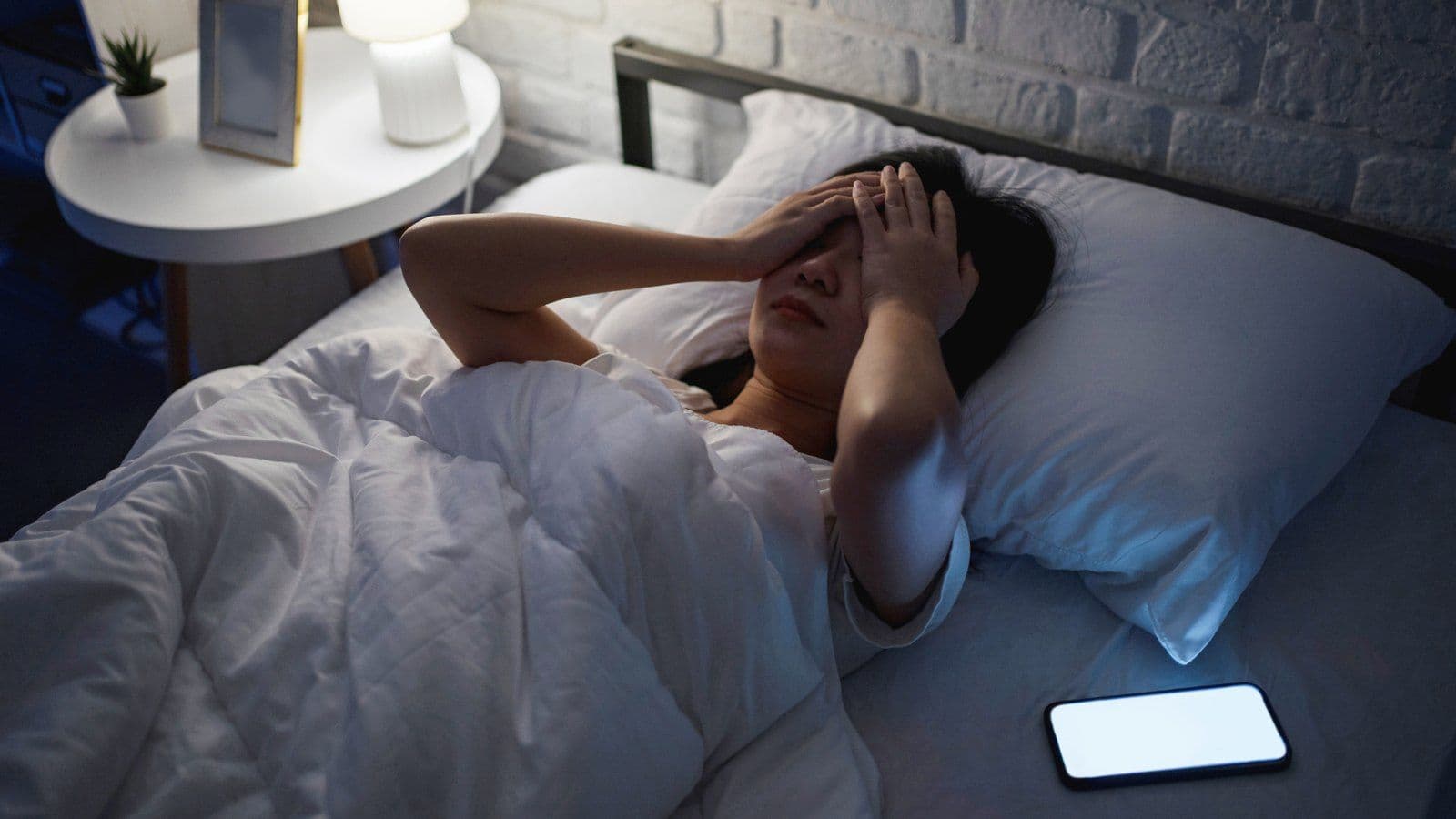
Checking your phone in bed, watching a series late at night: these very common habits have a cost for sleep. The cause, in particular, is the blue light emitted by screens, but also the content itself. Understanding how screens disrupt sleep allows us to adopt uses that are more favorable to rest.
1. The role of light on sleep
Light is the main regulator of our internal clock. In the evening, darkness triggers the secretion of melatonin, the hormone that prepares you for sleep. Light, especially rich blue light from screens, can slow down this secretion and delay falling asleep.
2. Not just light
| Factor | Effect on sleep |
|---|---|
| Blue light | Delays the melatonin |
| Stimulating content | Excite the brain |
| Scroll, notifications | |
| Reduces its duration | Shortens its duration |
Beyond light, the content of screens (games, networks, news) stimulates the brain and prevents it from resting. Not to mention the amount of sleep they eat up.
3. Good practices
The ideal is to avoid screens in the hour before bed. Otherwise, reducing the brightness, activating “night” modes and favoring quiet content limits the effects. Taking the phone out of the bedroom helps cut off the demands.
- Avoid screens in the hour before bed
- Activate night modes and reduce brightness
- Take the phone out of the bedroom
4. Find peaceful evenings
Replacing the evening screen with calm activities (reading, soft music, discussions) promotes falling asleep more quickly and better quality sleep. The challenge is above all to break an anchored habit, gently.
Preserving the last hour before bedtime from screens is one of the most effective actions to sleep better.
💡 tips to remember
- In the evening, darkness triggers melatonin which prepares you for sleep; blue light from screens can slow down this secretion.
- Beyond light, the content of screens (games, networks, news) stimulates the brain and prevents it from resting.
- Screens also eat into sleep time: it's a triple negative effect.
- I avoid screens in the hour before bed, I activate night modes and I take the phone out of the bedroom.
- Replacing evening screen time with calm activities promotes falling asleep faster and better sleep.