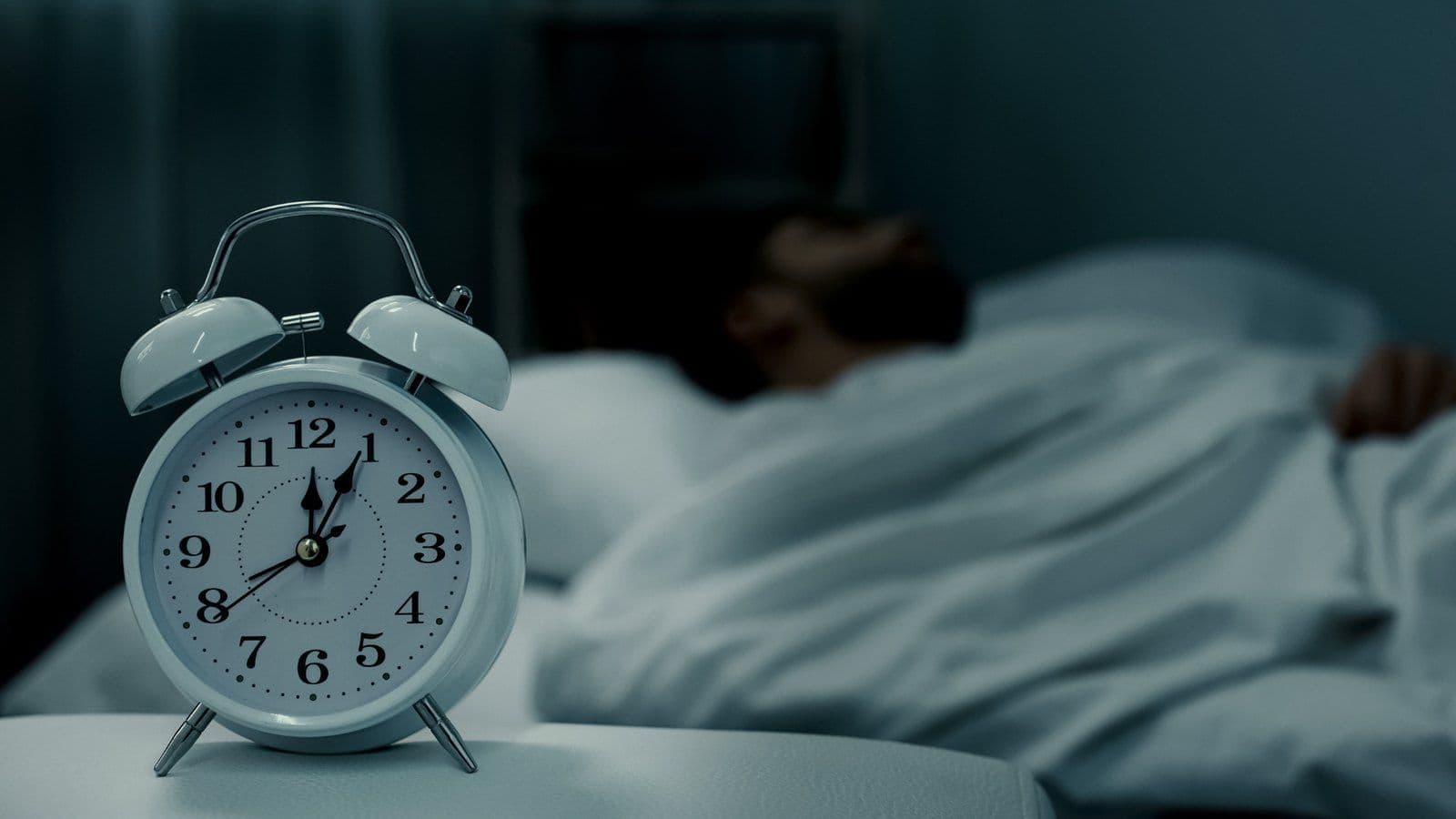
“How many hours should you sleep? » The question comes up often, and the answer is not a single number. The need for sleep depends on age, but also on each individual. Rather than aiming for a standard, it is better to learn to recognize your own needs. Let's take stock of what we know.
1. Needs that vary with age
The need for sleep generally decreases with age. An infant sleeps most of the day, a child and adolescent have high needs, while adults are most often in the seven to nine hour range. The marks are indicative.
| Age | Indicative need |
|---|---|
| Child | High, varies depending on age |
| Teenager | Often 8 to 10 a.m. |
| Adult | Approximately 7 to 9 hours |
| Senior | Sometimes a little less, sleep more fragmented |
2. Individual differences
At the same age, needs vary from one person to another. Some people are natural “short sleepers,” others need more. Wanting to copy the rhythm of a loved one makes no sense: everyone has their own needs.
3. Recognize your need
The best indicator is not the number, but the form during the day. Feeling rested, alert and in a good mood, without excessive sleepiness, is a sign of sufficient sleep. Conversely, persistent fatigue can indicate a lack, in quantity or quality.
4. Quantity and quality
Getting enough sleep is not enough if sleep is of poor quality (fragmented, non-restorative). Both count. Listening to your fatigue signals, respecting regular schedules and taking care of your sleep environment help to cover your real needs.
- Rely on your form during the day rather than a number
- Respect your sleep schedule
- Don't feel guilty about needing more than average
Good sleep is the one that leaves you rested: it is unique to everyone.
💡 tips to remember
- The need for sleep generally decreases with age: adults are most often between 7 and 9 hours, as an indication.
- At the same age, needs vary: some are natural “short sleepers”, others need more.
- The best indicator is not the number but the shape during the day: feeling rested and alert indicates sufficient sleep.
- Quality is as important as quantity: fragmented sleep is not restful, even if it is long.
- I rely on my shape rather than a standard and I don't feel guilty about needing more than average.