Episodes of high heat put the body to the test. Food can then become an ally to better support them. Favor light, fresh meals, increase hydration, adapt your schedule: a few simple adjustments help you get through the heatwave more peacefully, especially for the most sensitive people.
1. Why adapt your diet
In high heat, the body works to maintain its temperature, and appetite often diminishes. Meals that are too heavy are more difficult to digest and can increase the feeling of heat. Adapting your diet helps you stay comfortable and meet your needs despite a reduced appetite.
2. Favor lightness and freshness
| Preferred | Why |
|---|---|
| Light and fractionated meals | Easier digestion |
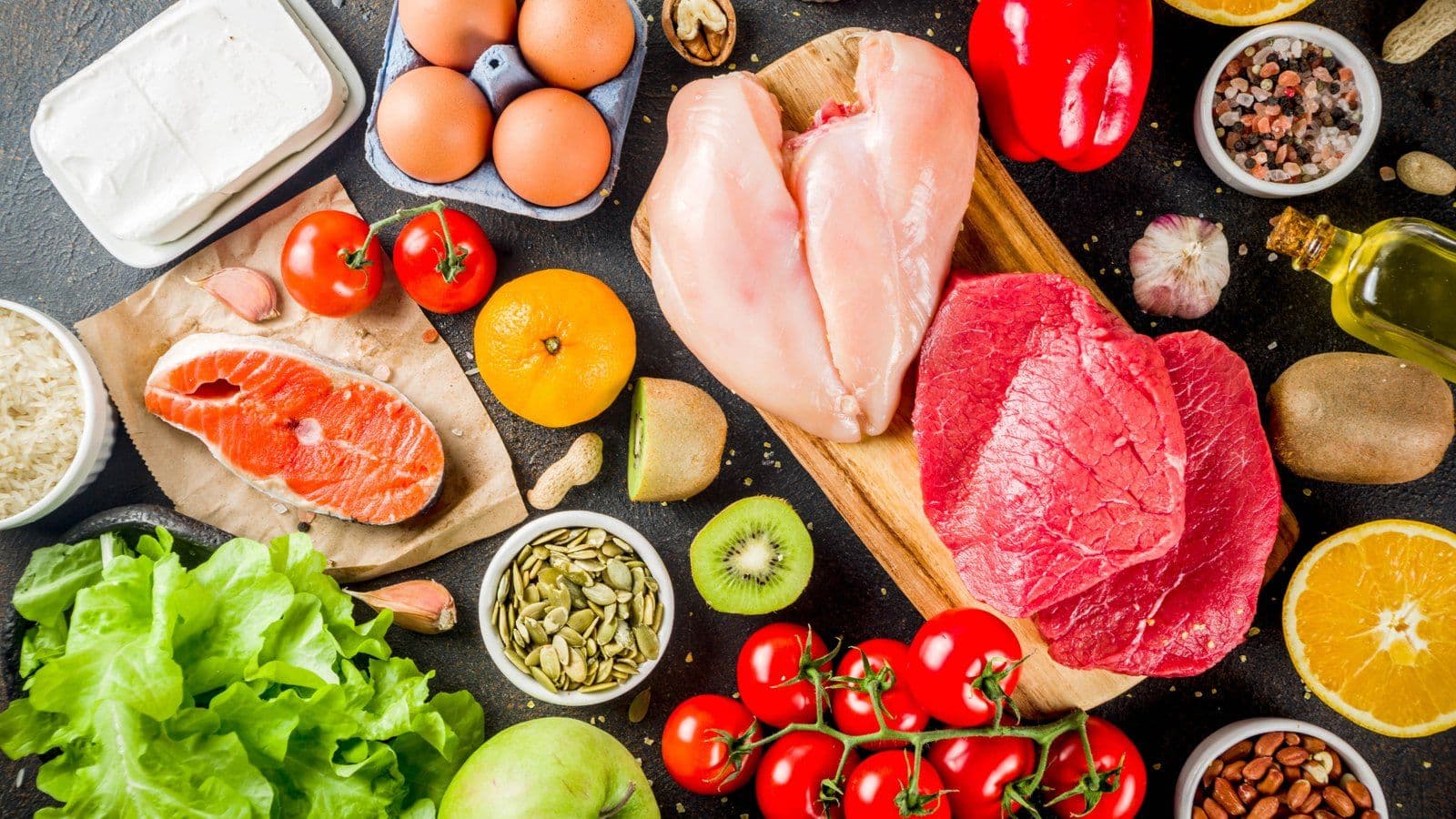
| Fruits and vegetables | Freshness, water, vitamins |
| Cold dishes | Salads, raw vegetables, cold soups |
| Foods rich in water | Complete hydration |
Light, fresh, water-rich meals are best suited to the heat. Splitting food intake can help when appetite is lacking.
3. Boost hydration
Food contributes to hydration: fruits, vegetables, cold soups provide water. But drinking regularly remains essential, without waiting for thirst. In high heat, hydration is a priority, in addition to a suitable diet.
- Drink water regularly, without waiting for thirst
- Consume foods rich in water
- Avoid heavy meals and alcohol
4. Vigilance for the most vulnerable
The elderly, young children and sick people are particularly sensitive to heat and the risk of dehydration. It is important to make sure they eat and drink enough, even when appetite decreases.
Adapting your diet in high heat is a simple gesture to better cope with the heatwave. If you feel unwell or have worrying signs during an episode of intense heat, do not hesitate to seek advice from a health professional.
💡 tips to remember
- In high heat, the appetite diminishes and heavy meals are more difficult to digest: I favor lightness and freshness.
- Light and fractionated meals, fruits and vegetables, cold dishes and foods rich in water are better adapted to the heat.
- Food contributes to hydration, but drink regularly without waiting, thirst remains essential.
- I avoid heavy meals and alcohol, which promotes dehydration.
- Older people, young people children and sick people are fragile: I make sure they eat and drink enough.