It's 2:30 p.m., I've been staring at my screen for hours and I feel like my brain is slowing down. My first reaction? An extra coffee, maybe an energy drink. Yet these solutions only mask the problem – and often make it worse just hours later. The true source of sustainable energy, the one that carries me from morning to evening without crashing, is found on my plate. This is not a marketing promise: it is biochemistry. I give you all the keys to transform my food into high quality fuel.
1. Understand why I lack energy
Before trying to boost my energy, it is useful to understand where food fatigue comes from. The most common causes are:
- ●Glycemic peaks and drops: consuming fast sugars (white bread, pastries, sugary drinks) causes a rapid rise in blood sugar followed by an equally rapid drop - the famous crash. This is the most common mechanism of post-meal fatigue.
- ●Micronutrient deficiencies: iron, magnesium, B vitamins and vitamin D are nutrients directly involved in the production of cellular energy. Even a moderate deficiency is enough to generate persistent fatigue.
- ●Dehydration: a drop of only 1 to 2% in body hydration reduces cognitive performance and generates a feeling of fatigue. Many afternoon binges are actually thirst signals.
- ●Meals that are too heavy: a meal that is too rich in saturated fat or too high in calories mobilizes a significant part of the body's resources for digestion, diverting blood and energy from other functions.
- ●Protein deficiencies: proteins are the building blocks of neurotransmitters (dopamine, serotonin) which regulate wakefulness and motivation. Insufficient intake directly impacts my mental energy level.
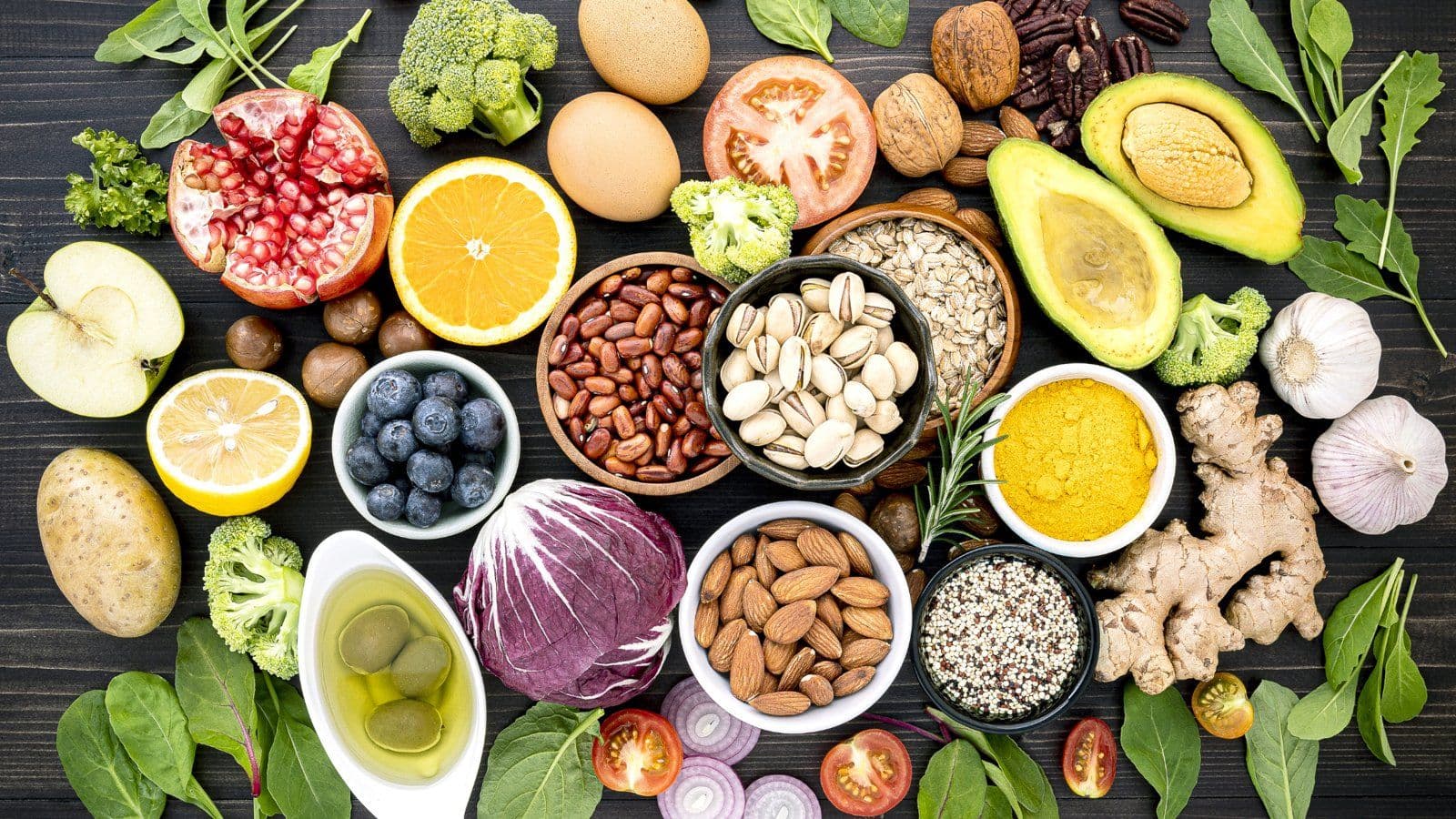
Food Key energizing nutrient Why it works Oatmeal Complex carbohydrates + soluble fiber Slow and stable release of glucose. Constant energy for 3 to 4 hours Spinach and green vegetables Iron, magnesium, B vitamins Iron carries oxygen to cells. Magnesium activates more than 300 enzymatic reactions Oily fish (sardines, salmon) Omega-3, protein, vitamin D Omega-3 improves cognitive function. Vitamin D is involved in the production of cellular energy Eggs Complete proteins, vitamins B12 and B2, choline Choline is essential has the synthesis of acetylcholine, a concentration neurotransmitter Legumes (lentils, chickpeas) Iron, protein, complex carbohydrates, fiber Winning trio: sustainable energy + satiety + cognitive support Banana Potassium, magnesium, natural carbohydrates, vitamin B6 B6 participates in the synthesis of serotonin and dopamine. Fast, clean energy Nuts and oilseeds Magnesium, omega-3, B vitamins, proteins Magnesium is the anti-fatigue par excellence. A deficiency is very common Quinoa Complete proteins, iron, magnesium, complex carbohydrates One of the few plants with all acids essential amines. Energizing and satiating
2. Foods that really boost my energyThe good news: a few targeted adjustments to my diet can transform my energy levels significantly and quickly. Here are the foods to absolutely favor:
| Moment | What I Eat | Why it boosts my energy |
|---|---|---|
| Breakfast | Oatmeal + milk or vegetable drink + banana + handful of nuts | Complex carbohydrates + proteins + good fats = stable energy 3 to 4h |
| 10 a.m. snack (if needed) | 1 natural yogurt + 1 fruit season | Stabilizes blood sugar, provides calcium and proteins |
| Lunch | Quinoa or brown rice + fish or legumes + green vegetables + olive oil | Proteins + complex carbohydrates + iron + magnesium + omega-3 |
| 4 p.m. snack (if needed) | Handful of almonds + 2 dark chocolate squares 70%+ | Anti-fatigue magnesium + antioxidants + good fats |
| Dinner | Lentil soup + wholemeal bread + green salad + natural yogurt | Light but comprehensive. Does not overload digestion for better sleep |
| All day long | 1.5 to 2 liters of plain water or sugar-free infusions | Dehydration is the primary cause fatigue during the office day |
3. Blood sugar: my powerhouse needs to be tamed
Regulating my blood sugar is the most powerful lever for maintaining a stable energy level throughout the day. Here's how I optimize it concretely:
- ●I focus on complex carbohydrates rather than simple ones: wholemeal bread rather than white bread, wholemeal rice rather than white rice, sweet potato rather than classic potato. Their slower digestion ensures a gradual release of glucose into the blood.
- ●I always combine carbohydrates + proteins + fibers: this combination slows down the absorption of carbohydrates and avoids the glycemic peak. A bowl of cereal alone causes a spike followed by a crash. The same bowl with natural yogurt and whole fruits gives stable energy for 3 hours.- I don't skip meals: skipping a meal inevitably leads to hypoglycemia which results in fatigue, irritability and difficulty concentrating - particularly penalizing during a working day.
- ●I limit sugars with a high glycemic index in the middle of the day: sodas, fruit juices, confectionery and industrial biscuits consumed during working hours are the main culprits for afternoon slump.
4. Anti-fatigue micronutrients: my energy check-up
Certain micronutrients play a direct and documented role in cellular energy production. A deficiency, even subclinical, can manifest itself as persistent fatigue even before biological analyzes detect it.
- ●Iron: essential for the transport of oxygen by hemoglobin. Iron deficiency is the most common nutritional cause of fatigue, particularly among women of childbearing age. My priority sources: moderate red meat, lentils, spinach, tofu, pumpkin seeds. Vitamin C consumed at the same time increases the absorption of non-hemin iron of plant origin.
- ●Magnesium: cofactor of more than 300 enzymatic reactions, including the production of ATP (cellular energy). 70 to 80% of French people do not cover their needs according to consumer studies (ANSES). My sources: oilseeds, legumes, whole grains, cocoa, mineral water rich in magnesium (Hepar, Contrex).
- ●B vitamins: vitamins B1, B2, B3, B5, B6, B9 and B12 are all involved in energy metabolism. A varied and balanced diet generally covers the needs, except for B12 for strict vegetarians who must supplement.
- ●Vitamin D: beyond its role in bone health, vitamin D is involved in muscular and nervous functioning. The deficiency is very widespread in France, particularly in winter. It frequently manifests itself as unexplained fatigue.
5. My one-day energy food program
Here is a concrete example of a food day optimized for energy, applicable tomorrow:
6. What I cut back on to keep my energy up
Boosting my energy involves what I add as much as what I reduce or shift in my day:
- ●I reduce coffee after 2 p.m.: caffeine has a half-life of 5 to 6 hours. A coffee at 3 p.m. maintains half of its concentration in my blood at 8 p.m., disrupting my falling asleep and therefore my nighttime energy recovery.
- ●I limit meals too rich in saturated fat at midday: they prolong digestion and promote post-prandial drowsiness. I reserve the fattier dishes for dinner when cognitive performance is no longer an issue.
- ●I reduce ultra-processed foods during the day: their fast sugars, additives and low nutritional value are the direct enemies of my sustainable energy.
- ●I limit alcohol during the week: even in small quantities, alcohol disrupts the quality of sleep and significantly reduces energy the next day.
- ●I take a short active break after lunch rather than a long nap: 10 to 15 minutes of walking after a meal improves postprandial blood sugar and recharges my energy level for the afternoon, according to a study published in Diabetes Care.
💡 tips to remember
- My 2:30 p.m. crash is often the result of a meal too rich in quick sugars or too high in calories: I replace white bread and sugary dessert with complex carbohydrates + proteins + vegetables.
- I always combine carbohydrates + proteins + fiber at each meal: this trio slows down the absorption of glucose and guarantees stable energy for 3 to 4 hours.
- Magnesium is my number one anti-fatigue ally: nuts, legumes, whole grains and dark chocolate cover a good part of it. 70% of French people are below the recommended intake.
- I drink a large glass of water before looking for an extra coffee: many drops in energy during the day are disguised dehydration.
- I replace quick sugars in the morning with oatmeal, eggs or whole fruits: the energy of the morning conditions my entire day.
- I reduce coffee after 2 p.m.: its half-life of 5 to 6 hours disrupts my sleep and therefore my energy the next day. A vicious circle to break.
- 10 minutes of walking after lunch is better than a nap: it improves postprandial blood sugar and effectively recharges my energy for the afternoon.