Loneliness is now recognized by the WHO as a global public health problem. Its impact on health is comparable to that of smoking: 15 cigarettes per day. It increases the risk of cardiovascular disease, depression, cognitive decline and premature mortality. And yet, in our increasingly individualized societies, the number of people who feel chronically alone continues to increase.
In this context, collective physical activity, running in a group, practicing a team sport, joining a yoga class, is not just a lever for sporting motivation. It is a full-fledged social health intervention, which acts simultaneously on the biology of exercise and that of social bonds.
1. The biology of social bonding during exercise
When I exercise with other people, my brain releases a different neurochemical cocktail than when exercising alone. Oxytocin, the hormone of social bonding and trust, is particularly involved:
- ●Oxytocin and shared effort: positive interactions (encouragement, celebrations, shared effort) stimulate the release of oxytocin, in addition to the endorphins of physical effort. This dual neurochemical effect produces greater well-being than solitary exercise.
- ●Motor synchrony: running, rowing, dancing or cycling at the same pace as another person creates a phenomenon of motor synchrony which strengthens the social bond and the feeling of belonging, independently of words.
- ●Social endorphins: a study from the University of Oxford (Dunbar et al., 2012) shows that physical activities synchronized in a group (rowing, dancing, choir) produce endorphin peaks higher than those of the same activities practiced alone.
- ●Social facilitation: the presence of other people naturally improves individual performance, we run faster in a group than alone, even without conscious intention.
2. Loneliness and health: figures that call attention to
Social isolation and chronic loneliness have measurable biological effects on health, independent of other risk factors:
- ●Chronic loneliness increases the risk of mortality by 26%, comparable to the effect of obesity (Holt-Lunstad et al., PLOS Medicine 2015)
- ●It is associated with a 30% increase in the risk of cardiovascular disease and a 32% increase in the risk of stroke
- ●It accelerates cognitive decline: socially isolated people have a 50% higher risk of dementia (Livingston et al., The Lancet 2020)
- ●In France, 5 million people feel in a situation of severe relational isolation, according to the report from the Fondation de France (2021)
- ●The Covid-19 pandemic has worsened this trend: 30% of French people say they feel alone more often than before
Collective physical activity alone does not eliminate loneliness, but it creates regular opportunities for meaningful social connection in a setting where interactions are natural, positive and repeated.
3. The most beneficial forms of collective physical activity
| Format | Benefits of social connection | Accessibility | Ideal for |
|---|---|---|---|
| Group classes indoors (yoga, Pilates, fitness) | Regular contact with a stable group, growing sense of belonging | Very accessible | People seeking a structured setting and a supportive community |
| Running or walking groups | Informal ties, freedom of pace, possible connection with nature | Accessible | Active people seeking consistency and discovery |
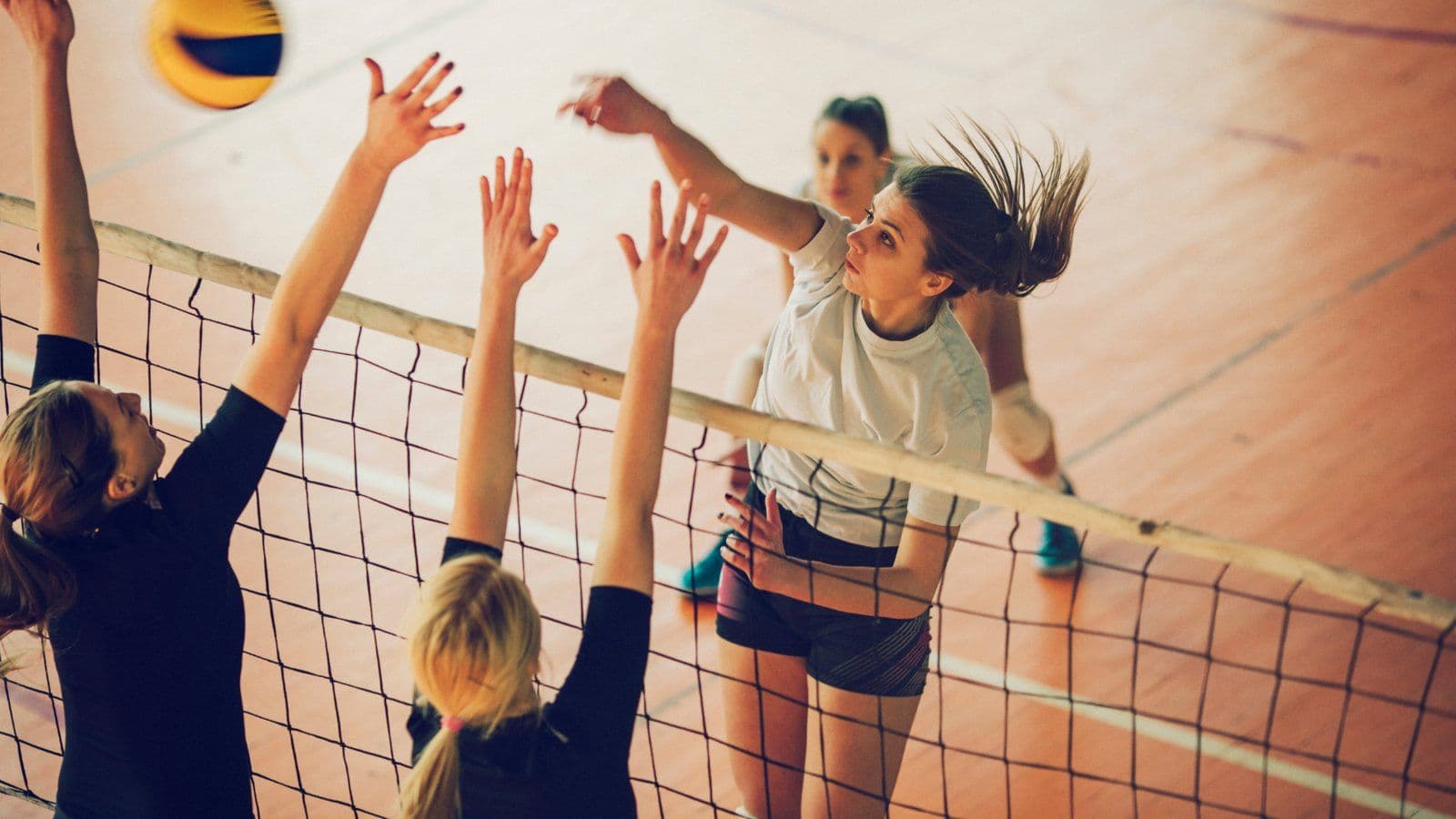
| Team sports (football, rugby, basketball, volleyball) | Strong bonds, interdependence, shared celebrations | Moderate (commitment required) | People seeking team commitment and pushing their limits |
| Challenges and sporting events | Brief but intense bond, sense of belonging to a community | Accessible in one go | People who need a concrete, one-off goal |
| Workplace sport (employee well-being activities) | Professional social ties, relaxed atmosphere outside work | Very accessible | Remote workers or professionally isolated employees |
4. Sport in the workplace: an under-exploited lever for collective health
The workplace is one of the environments most conducive to the development of social bonds through sport. Several studies show that corporate physical activity programs produce benefits that go well beyond the individual health of participants:
- ●Reduction of absenteeism: a systematic review published in the Journal of Occupational and Environmental Medicine shows that corporate physical activity programs reduce absenteeism by 25 to 30%.- Improved social climate: shared physical activities create informal links between colleagues which improve communication, cooperation and trust beyond sports sessions.
- ●Reduction in stress at work: participants in corporate exercise programs report a significant reduction in perceived stress and an improvement in well-being at work.
- ●Formats that work: inter-team walking challenges, lunchtime yoga or relaxation classes, sports team building, shared gym subscriptions, team sports applications.
5. Find your sports community
The main obstacle to collective physical activity is psychological: fear of being judged, of not being at the level, of being too beginner. These fears are universal, and generally unfounded.
- ●Beginner groups: most sports clubs and group lessons offer levels specifically adapted to beginners. These groups are often the most caring and welcoming, because all members share the same vulnerability.
- ●Community applications: Strava, Meetup, local Facebook or WhatsApp running or hiking groups allow you to find sports partners sharing the same objectives and levels.
- ●Popular events: popular races, solidarity rides, collective sporting challenges are excellent entry points, the atmosphere is inclusive, festive and particularly welcoming.
- ●Start with people I know: suggest to a friend, a colleague or a neighbor to walk together, to join a class, this is often the simplest and most lasting gateway.
A health check can include an assessment of the level of social isolation and guide towards the most suitable collective physical activities, particularly beneficial for teleworking employees, people in a period of transition or those who feel chronic loneliness.
💡 Tips to remember
- Chronic loneliness increases the risk of mortality by 26%, comparable to the effect of obesity. Team sport is one of the most effective interventions to combat isolation in a sustainable way.
- Physical activities synchronized in a group (rowing, dancing, collective running) produce endorphin peaks higher than those of the same activities practiced alone. Moving together is neurochemically superior.
- Corporate physical activity programs reduce absenteeism by 25 to 30% and improve the social climate between colleagues, a double benefit for individuals and organizations.
- The fear of being judged or not being up to standard is universal in sports groups, and generally unfounded. Beginner groups are often the most caring and welcoming.
- A health check can assess the level of social isolation and guide the most appropriate collective physical activities, particularly important for people working from home or in a period of transition.