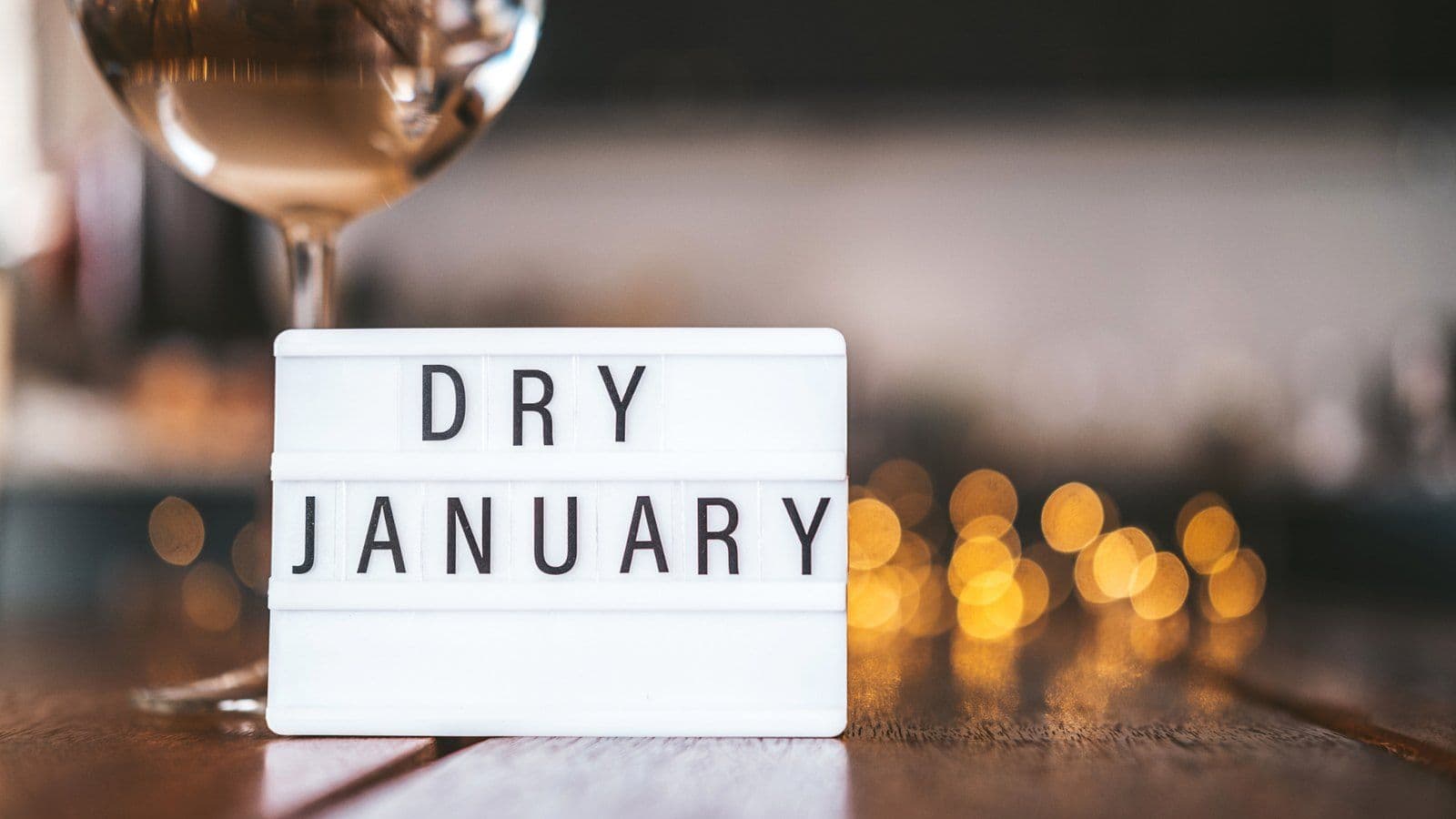
Taking a month's break from alcohol has become a popular event, made famous by "Dry January" (in France, the Challenge de Janvier). The idea isn't to punish yourself, but to give yourself a reset: to observe what alcohol was doing without your noticing, and to rediscover the pleasure of clear mornings. Good news: the month you choose doesn't matter, the benefits are the same in March or September.
What follows describes a typical progression, week after week. Everyone is different, the effects depend heavily on the starting consumption, but the general trajectory is well documented.
⚠️ An important precaution. If you drink alcohol every day and in large amounts, don't stop abruptly on your own: sudden cessation can, in that case, cause dangerous withdrawal. Talk to your doctor first, who will support you safely.
Week 1: the body readjusts
The first days are often the most uncomfortable, especially for heavy drinkers: cravings appear and sleep may be restless for a night or two. It's temporary. Very quickly, for most people, sleep becomes deeper and more restorative (alcohol was crushing REM sleep), you wake up more rested, better hydrated, and the stomach settles (less acid reflux). Simply regaining real nights is, for many, the trigger that makes them want to continue.
Week 2: sleep, energy and skin
Sleep stabilises, and energy follows: mood is steadier through the day, afternoon slumps ease. It's'also when the skin visibly changes. Alcohol dehydrates and promotes inflammation; in its absence, the complexion brightens, features are less puffy, the face looks more rested. The morning headaches, meanwhile, are gone.
Week 3: the liver gets a break, the figure slims
At this stage, the liver, which never truly rested, begins its recovery: accumulated fat decreases and its markers improve. On the figure side, stopping the "empty calories" of alcohol (and the snacking that comes with it) is often visible: less bloating, sometimes a few kilos less. Concentration and mental clarity, too, show up.
Week 4, and beyond: benefits you can measure (that last)
After a month, the benefits are no longer just felt: they can be measured. A landmark study (Mehta et al., BMJ Open, 2018) observed, in people who had stopped drinking for a month, a drop in blood pressure and blood sugar, an improvement in liver markers, weight loss, and even a decrease in certain factors linked to cancer risk. Other work reports a marked reduction in liver fat within a few weeks.
The benefits aren't only physical. Dry January evaluations (University of Sussex) show that the vast majority of participants sleep better, save money and, for many, lose weight, not to mention the pride of having stuck with it. Above all, the effect lasts: several months later, participants are still drinking less than before, with a better sense of control. And the famous February "rebound" doesn't exist. Ultimately, a month without alcohol isn't a parenthesis: it's'a reset of your relationship with alcohol. An Iris Prévention health check-up can help you turn this break into a lasting habit.