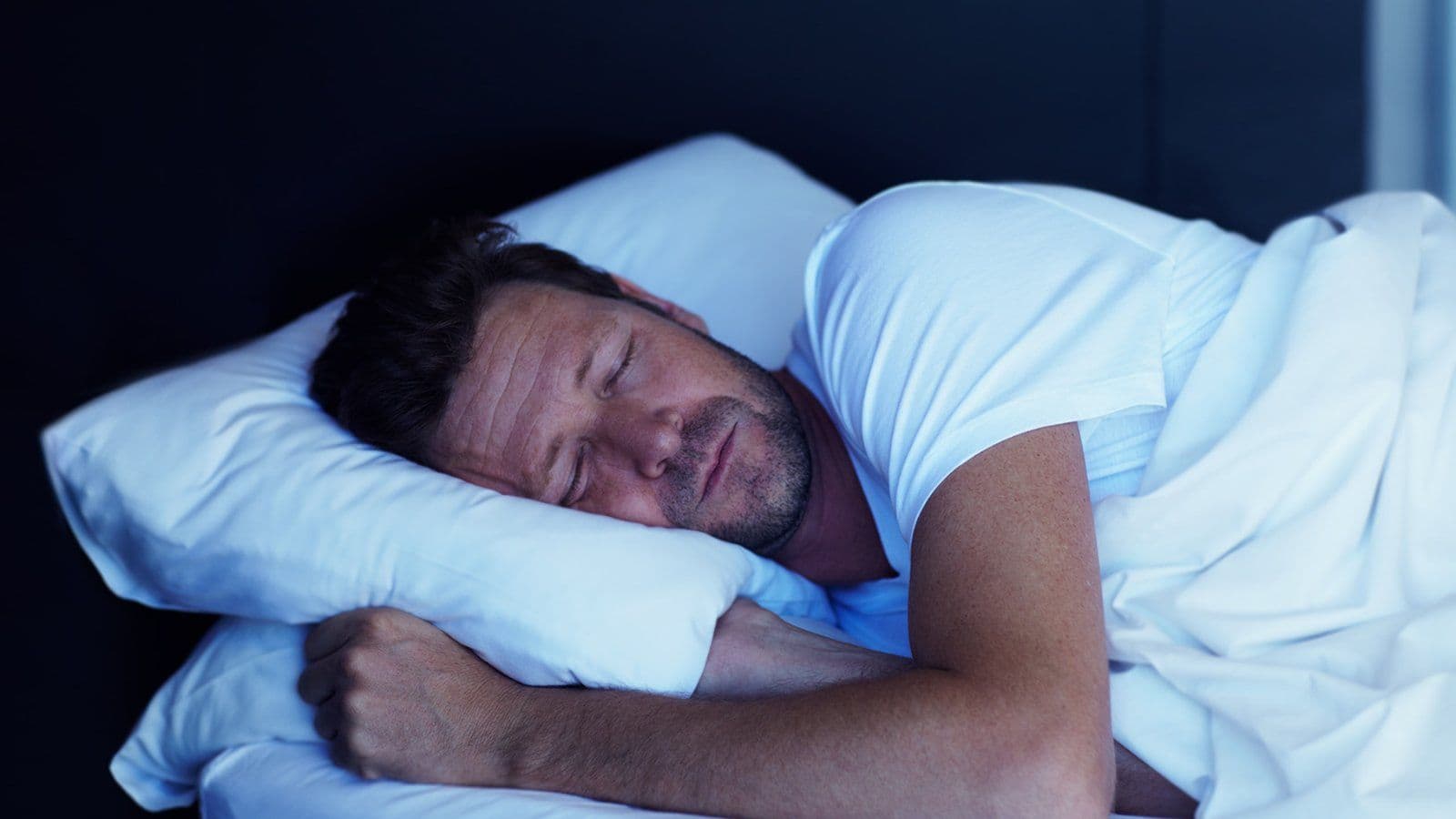
Sleep and diet are closely linked. What we consume, particularly in the evening, can promote or disrupt rest. Conversely, poor sleep influences appetite. Knowing the foods and drinks that help or harm allows you to put your diet at the service of your nights.
1. Dinner and sleep
An evening meal that is too large, fatty or late complicates digestion and can interfere with falling asleep. Conversely, going to bed too hungry also interferes with sleep. The ideal is a balanced dinner, not too heavy, taken a reasonable distance from bedtime.
2. What helps, what harms
| Rather favorable | Rather unfavorable |
|---|---|
| Light and balanced dinner | Fatty and hearty |
| Complex carbohydrates | Excess of rapid sugars in the evening |
| Soothing herbal teas | Coffee, tea, energy drinks |
| Regularly scheduled meals | Very late dinner, alcohol |
Stimulants (coffee, tea, energy drinks) should be avoided at the end of the day. Alcohol, often perceived as making it easier to fall asleep, actually degrades the quality of sleep.
3. The trap of alcohol and stimulants
Alcohol can make you feel drowsy, but it fragments sleep and reduces its restorative quality. Caffeine acts for a long time: consumed in the afternoon or evening, it can delay falling asleep in sensitive people.
4. The sleep-food circle
Lack of sleep disrupts appetite hormones and often drives you toward fatty and sugary foods. Sleeping well also helps you eat better, and vice versa. The two strengthen each other.
- Light and balanced dinner, not too late
- Avoid stimulants and alcohol in the evening
- Preserve your sleep to better regulate your appetite
Putting food at the service of sleep means acting on two pillars of health at the same time.
💡 tips to remember
- A dinner that is too large, fatty or late disrupts falling asleep; going to bed too hungry too. Aim for a light and balanced dinner.
- Stimulants (coffee, tea, energy drinks) should be avoided at the end of the day because they last for a long time.
- Alcohol gives the impression of drowsiness but fragments sleep and reduces its restorative quality.
- Lack of sleep disrupts appetite hormones and pushes you towards fat and sweetness: sleeping well helps you eat better.
- Putting food at the service of sleep means acting on two pillars of health at the same time.