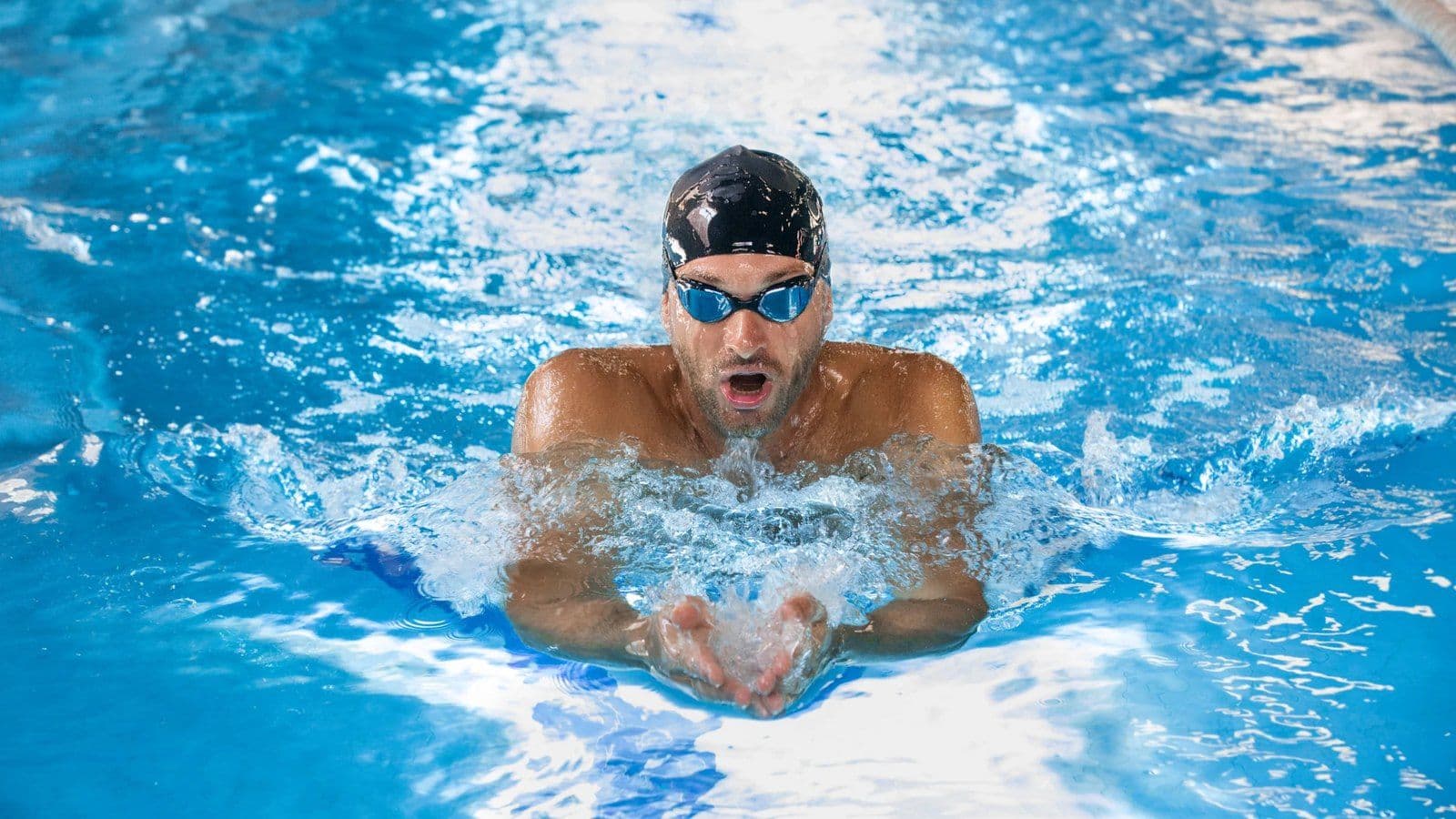
I never thought of swimming as a serious sport. In my head, it was a vacation activity, rehabilitation activity or for the elderly. This is a miscategorization: swimming is recognized by many health experts as the most complete physical activity there is, combining endurance, strength, flexibility and coordination in a supportive environment that protects the body.
Regular swimming produces well-documented cardiovascular, muscular, respiratory and mental benefits, with the valuable particularity of exercising in joint relief, which makes it accessible to people suffering from osteoarthritis, overweight, low back pain or in convalescence. Here's everything you need to know to get started (again).
1. Why swimming is a complete sport
Swimming is one of the rare physical activities to simultaneously combine all the components of physical fitness:
| Component | What swimming brings | Comparison with other sports |
|---|---|---|
| Cardiovascular endurance | Sustained aerobic effort working the cardiovascular and respiratory systems | Comparable to running, without joint impact |
| Muscle strength | Water resistance on every movement, upper and lower body at the same time | Complete strengthening impossible in a single land-based movement |
| Flexibility | Movements amplified by water improve joint mobility | Higher than most land-based activities |
| Coordination | Swimming requires complex coordination of limbs and breathing | High cognitive and proprioceptive benefits |
| Balance and proprioception | Water creates an unstable environment that engages the balance systems | Particularly beneficial for seniors |
| Breathing | Controlling breathing while swimming improves lung capacity | Respiratory benefit unique among sports |
2. Cardiovascular and metabolic benefits
Swimming produces cardiovascular benefits comparable to running or cycling, with several specific advantages:
- ●Reduction in blood pressure: a study published in the American Journal of Hypertension shows that regular swimming (3 times/week, 45 min) reduces systolic pressure by 9 mmHg on average in adults.
- ●Improved lipid profile: swimming reduces LDL (bad cholesterol) and increases HDL (good cholesterol) in a manner comparable to other endurance sports.
- ●Glucose regulation: intensive muscular effort in swimming improves insulin sensitivity and glycemic regulation, contributing to the prevention of type 2 diabetes.
- ●The thermal property of water: water being 25 times more conductive than air, the body expends more energy to maintain its temperature in the swimming pool, increasing total caloric expenditure by approximately 15 to 20% compared to equivalent exercise in the air.
3. Swimming, an ideal sport for the joints
One of the most valuable benefits of swimming is the joint relief it provides. In water, the body undergoes Archimedes, a vertical upward thrust which considerably reduces the apparent weight:
- ●Immersion up to the hips: reduction in apparent weight by 50%
- ●Immersion up to the waist: 75% reduction
- ●Immersion up to the shoulders: 90% reduction
This means that the knees, hips and spine experience only a tiny fraction of the usual stress when swimming. This is why swimming is recommended in cases of osteoarthritis, overweight, low back pain, pregnancy and post-surgical or post-traumatic rehabilitation.
An important clarification: if breaststroke is the most popular stroke in France, it is also the most restrictive on the knees and neck when it is poorly executed. Crawl and back crawl are generally more recommended for people suffering from joint pain.
4. Benefits for mental health
Swimming produces very specific mental benefits, linked in part to its unique characteristics:
- ●The meditative effect of water: the rhythmic repetition of movements, the reduction of sensory stimuli and immersion in water create a state close to meditation: ruminations decrease, attention is focused on the present moment.
- ●Endorphins and temperature: like any aerobic exercise, swimming releases endorphins. The freshness of the water amplifies this effect by activating thermoceptors and toning the nervous system.- Stress reduction: a 2020 study (Nualnim et al.) shows that regular swimmers have significantly lower cortisol levels than sedentary people and higher well-being scores.
- ●Swimming in open water: the mental benefits are further amplified in open water (lake, sea) thanks to the additional effect of nature, reduction of ruminations and the activity of the medial prefrontal cortex associated with stress.
5. Getting (back) into swimming: practical advice
Swimming has a technical entry barrier: you must know how to swim and have correct technique to reap all the benefits without risking injury. Here are the key steps for a successful recovery:
- ●Evaluate your technique: a few sessions with an instructor allow you to correct errors that create tension (neck in breaststroke, asymmetry in crawl) and swim with much less effort.
- ●Start slowly: 30 minutes of swimming 2 to 3 times a week, alternating styles. Do not try to go quickly, the quality of movement takes precedence over speed.
- ●Alternate strokes: vary crawl, backstroke, breaststroke (with good technique) and even butterfly gradually. Each stroke uses the muscles differently and reduces the risk of overuse injury.
- ●Aquagym as a transition: for beginners or people in rehabilitation, aquagym offers the benefits of immersion without the technical constraints of swimming.
- ●Equipment: a hat, glasses and earplugs are enough to get started. The pull-buoy and kickboard are useful progression tools for working the arms and legs separately.
💡 Tips to remember
- Swimming is one of the rare physical activities to combine endurance, strength, flexibility and coordination, by using 90% of the body's muscles without impact on the joints.
- Immersed up to the shoulders, my body is only subjected to 10% of its usual weight: this is why swimming is the best activity for people suffering from osteoarthritis, low back pain or overweight.
- Swimming reduces systolic blood pressure by 9 mmHg on average, an effect comparable to certain antihypertensive medications, without the side effects.
- Water has a documented meditative effect: the rhythmic repetition of movements and the reduction of sensory stimuli reduce ruminations and promote natural mindfulness.
- A health check allows you to assess possible contraindications (ear infections, problems heart) and to identify if swimming is the physical activity best suited to my health profile.