Cardiovascular, neurological, inflammatory, psychiatric: few food molecules have been as extensively studied as omega-3 fatty acids. Thousands of studies published in the most prestigious scientific journals document their beneficial effects on human health. However, the majority of the French population has a marked deficiency in long-chain omega-3 (EPA and DHA), the most biologically active forms. Understanding why these fatty acids are so important, where to find them and how to optimize your intake is a health prevention priority that this article addresses in depth.
1. The three forms of omega-3: ALA, EPA and DHA
Omega-3s do not constitute a single molecule but a family of polyunsaturated fatty acids characterized by a double bond in the omega-3 position of their carbon chain. There are three main forms with complementary properties:
The conversion of plant ALA into marine EPA and DHA is very limited in the human body. This is the reason why marine sources of omega-3 (oily fish, algae) are irreplaceable and cannot be replaced by plant sources alone, even in large quantities.
| Molecule | Full name | Primary sources | Specifications |
|---|---|---|---|
| ALA | Alpha-linolenic acid | Flaxseed oil, rapeseed oil, walnuts, chia seeds, hemp seeds | Plant precursor. Essential: cannot be synthesized by the body. Conversion to EPA and DHA limited (5 to 15% only). |
| EPA | Eicosapentaenoic acid | Oily fish (salmon, mackerel, herring, sardines, anchovies), marine algae | Marine form with direct anti-inflammatory action. Precursor of resolvins and protectins. Well-documented cardiovascular and psychiatric benefits. |
| DHA | Docosahexaenoic acid | Same sources as EPA. Also present in egg yolk (if hens fed flaxseed) | Major structural component of the brain (40% of brain fat) and the retina. Essential for neurological development and vision. |
Long-chain omega-3s (EPA and DHA) have been the subject of an exceptional number of clinical studies. Here are the best documented effects:
- ●Cardiovascular protection: Omega-3s reduce blood triglycerides (by 15 to 30% with therapeutic doses), reduce platelet aggregation, modestly lower blood pressure and have anti-arrhythmic effects. The REDUCE-IT study (NEJM, 2018) showed that high-dose EPA supplementation reduced major cardiovascular events by 25% in high-risk patients taking statins.
- ●Neurological and cognitive health: DHA is the dominant structural component of neuronal membranes. Sufficient intakes of DHA are associated with better preservation of cognitive functions with age and a reduction in the risk of Alzheimer's disease in several prospective studies.
- ●Mental health: several meta-analyses show a beneficial effect of omega-3 (particularly EPA) on depressive symptoms. A meta-analysis published in Translational Psychiatry (2016) concluded that omega-3 supplementation with a predominance of EPA had a significant antidepressant effect.
- ●Reduction of systemic inflammation: EPA and DHA are the precursors of resolvins, protectins and maresins - lipid molecules that actively resolve inflammation. Unlike anti-inflammatory medications, they resolve inflammation without simply inhibiting it.
- ●Pregnancy and development: DHA is essential for the development of the brain and retina of the fetus and infant. Pregnant and breastfeeding women have increased DHA needs. ANSES recommends an additional 250 mg of DHA per day during pregnancy.
- ●Eye health: DHA constitutes 60% of the fatty acids in the retina. Sufficient intakes are associated with a reduction in the risk of age-related macular degeneration (AMD) according to several prospective studies.## 3. Omega-3 deficiency: a reality in France
Despite the abundance of literature on their benefits, long-chain omega-3s remain in short supply in the French diet. According to the INCA 3 study by Public Health France (2017):
- ●The average consumption of EPA+DHA in France is around 400 to 500 mg per day, while the ANSES recommendations set the objective at 500 mg/day for a healthy adult.
- ●Only 25 to 30% of French people eat fatty fish twice a week as recommended.
- ●The average omega-6/omega-3 ratio in the French diet is estimated between 10:1 and 15:1, while the optimal ratio would be 4:1 to 5:1. This excess of omega-6 (mainly from sunflower and corn oils) competes with omega-3 for the same conversion and transport enzymes.
4. The best food sources of omega-3
| Food (usual portion) | EPA+DHA or ALA | Type | Frequency recommended |
|---|---|---|---|
| Baked mackerel (100 g) | ~2 500 mg EPA+DHA | Marine | Twice a week |
| Kippered herring (100 g) | ~2 200 mg EPA+DHA | Marine | Twice a week |
| Tinned sardines (100 g) | ~1 500 mg EPA+DHA | Marine | Twice a week |
| Atlantic salmon (100 g) | ~2 000 mg EPA+DHA | Marine | Twice a week |
| Tinned anchovies (30 g) | ~500 mg EPA+DHA | Marine | Several times a week |
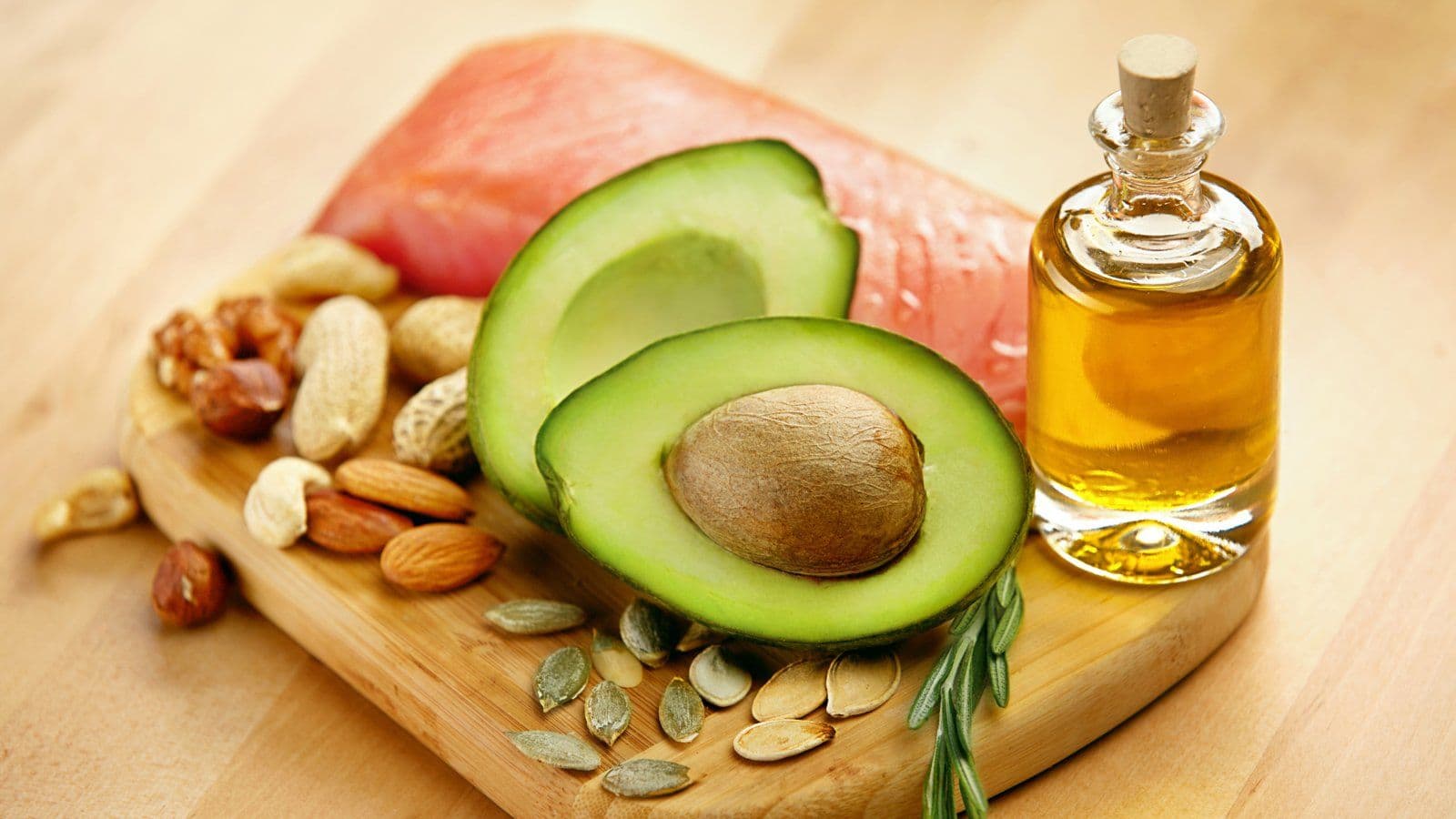
| Flaxseed oil (1 tbsp = 10 g) | ~5 000 mg ALA | Plant | Daily (raw only) |
| Walnuts (30 g, a handful) | ~2 500 mg ALA | Plant | Daily |
| Rapeseed oil (1 tbsp = 10 g) | ~1 300 mg ALA | Plant | Daily (as a dressing) |
| Chia seeds (15 g) | ~2 700 mg ALA | Plant | Daily |
5. Omega-3 supplements: when and how?
Omega-3 supplementation may be relevant in certain situations, but it does not replace diet. Here are the best established indications and practical benchmarks:
- ●People who do not consume fatty fish: vegetarians, vegans, or people who do not tolerate fatty fish. Marine algae oils are an alternative of plant origin that directly provide EPA and DHA (unlike seeds which only provide ALA).
- ●Pregnant and breastfeeding women: a DHA supplement (250 mg/day minimum beyond dietary intake) is recommended by ANSES during pregnancy and breastfeeding.
- ●Cardiovascular pathologies: therapeutic doses of EPA (2 to 4 g/day of icosapent ethyl) have shown benefits in specific clinical studies. This supplementation is only done on medical prescription.
- ●How to choose a supplement: I favor fish or marine algae oils certified IFOS (International Fish Oil Standards) or EPAX for quality and purity. The triglyceride form is better absorbed than the ethyl ester form. I check the EPA+DHA content per capsule (not the total amount of oil) and aim for 500 mg to 1,000 mg of EPA+DHA per day for basic supplementation.
6. Optimize your omega-6/omega-3 ratio
Increasing omega-3s is only half the equation. The other half involves reducing excess omega-6, which competes directly with omega-3 for the same metabolic pathways. The most effective actions:
- ●I replace sunflower oil and corn oil with rapeseed oil (for gentle cooking) and olive oil (for cooking at moderate heat).
- ●I limit ultra-processed foods: they are heavily formulated with sunflower and corn oils, the main sources of excess omega-6 in Western diets.
- ●I choose eggs enriched with omega-3 (chickens fed flaxseed): their DHA content is significantly higher than conventional eggs.
- ●I eat nuts regularly: their omega-6/omega-3 ratio is one of the best among oilseeds.
💡 tips to remember
- Omega-3s are essential fatty acids that my body cannot produce: I must provide them through my diet.
- Marine EPA and DHA cannot be replaced by plant-based ALA: the conversion is too limited (5-15%). Oily fish or seaweed are irreplaceable.
- I aim for 2 servings of oily fish per week: mackerel, herring, sardines, salmon, anchovies. This is the ANSES recommendation and the most impactful dietary action for my omega-3 intake.
- I use rapeseed oil as a seasoning and linseed oil (raw only): rich in ALA, they supplement my omega-3 intake plants on a daily basis.
- I replace sunflower oil with rapeseed or olive oil: this reduces my excess omega-6 intake and improves my omega-6/omega-3 ratio.
- A handful of walnuts a day: they provide 2,500 mg of ALA and have the best omega-6/omega-3 ratio of all oilseeds.
- For vegans or people who do not eat fish: marine algae oils are the only plant-based alternative providing directly EPA and DHA.
Further reading