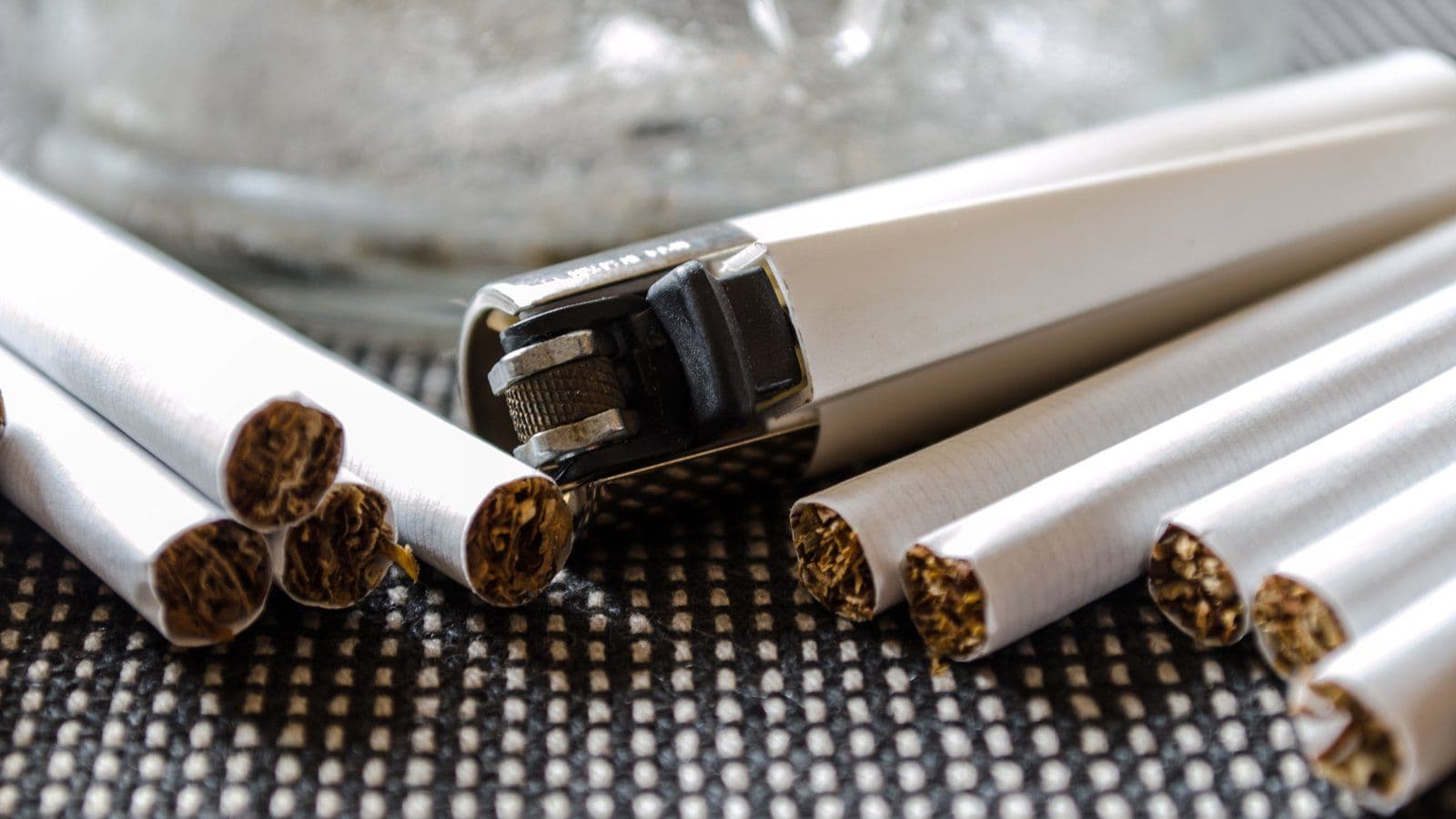
We spontaneously associate tobacco with the lungs. However, its effects go well beyond: heart, vessels, skin, mouth, fertility, almost no organ is spared. Cigarette smoke contains thousands of substances, many of which are toxic. Understanding what tobacco actually does to the body helps to understand the issues and benefits of quitting.
1. A smoke with thousands of substances
Tobacco smoke contains thousands of chemical compounds, many of which are harmful and several of which are carcinogenic. Nicotine is mainly responsible for addiction. This cocktail acts with each puff, on the entire body.
2. Effects on the whole body
| Organ | Effect of tobacco |
|---|---|
| Lungs | Cancers, COPD, infections |
| Heart and vessels | Infarction, stroke, arteritis |
| Mouth, throat | Cancers, dental problems |
| Skin | Accelerated aging |
| Fertility | Effects on reproduction |
Tobacco is a major risk factor for many diseases, including cardiovascular diseases and many cancers, not just lung cancers.
3. An impact often invisible at the beginning
Some of the damage caused by smoking occurs silently, before symptoms appear. The arteries become damaged, the risk increases, without obvious signs. This is what makes tobacco particularly deceptive: feeling “in good shape” does not mean being spared.
4. The good news: the body repairs itself
The body has a remarkable capacity for recovery. As soon as you stop smoking, benefits appear and accumulate over time. It's never too late to stop: the risks decrease at any age.
- Aware that tobacco affects almost all organs
- Understand that the damage often takes place silently
- Remember that the body repairs itself when you stop
Knowing the real effects of tobacco also means realizing everything you gain from quitting.
💡 tips to remember
- Tobacco smoke contains thousands of harmful substances, including several carcinogens; nicotine is mainly responsible for addiction.
- Tobacco acts on almost all organs: lungs, heart, vessels, mouth, skin, fertility.
- It is a major risk factor for cardiovascular diseases and many cancers, not just lung cancers.
- Some of the damage takes place silently: feeling “in shape” does not mean being spared.
- The body repairs itself when you stop and the risks decrease at any age: it is never too late to stop.