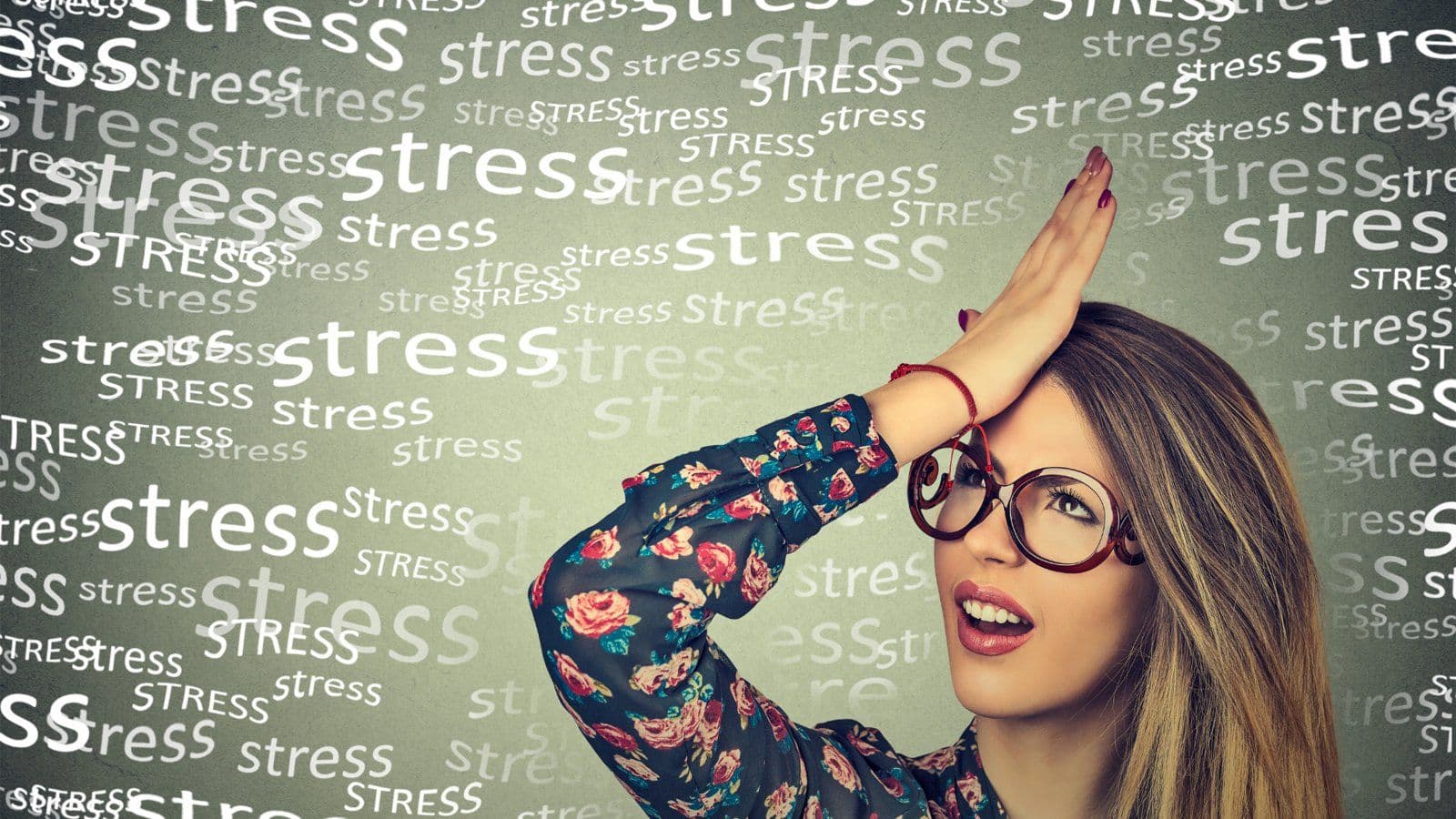
The word “stress” has a negative connotation, but stress is first and foremost a natural mechanism, inherited from evolution, which helps us cope with danger. Useful in the face of a one-off threat, it becomes problematic when it becomes established over a long period of time. Understanding how it works is the first step to taming your stress rather than enduring it.
1. An adaptation reaction
Faced with a situation perceived as threatening, the body mobilizes: release of hormones (adrenaline, cortisol), acceleration of the heart, muscular tension, increased vigilance. This reaction, called “fight or flight,” prepares you to react quickly. This is a useful and appropriate response.
2. Acute stress, useful stress
Punctual, stress is beneficial: it sharpens concentration, mobilizes energy, improves performance in the face of a challenge (exam, speaking, emergency). Once the situation has passed, the body returns to its normal state. It is this return to calm that is essential.
3. When stress becomes chronic
| Acute Stress | Chronic Stress | |
|---|---|---|
| Duration | Occasional | Extended |
| Effect | Mobilizer | Exhausting |
| Calm down | Yes | No or difficult |
| Health | Without consequence | Deleterious effects |
The problem arises when stress no longer lets up: constantly stressed, the body becomes exhausted. Chronic stress can then impact sleep, mood, digestion and general health.
4. Take back control
Understanding that stress is a natural reaction helps to de-escalate it. The challenge is not to eliminate it, but to allow the body to return to calm and prevent it from taking hold. Many techniques and habits contribute to this.
- Recognize stress as a natural reaction
- Ensure moments of recovery and relaxation
- Act before stress becomes chronic
Taming your stress means making it a temporary ally rather than a permanent burden. This subject concerns well-being; in the event of persistent discomfort, a professional can assist.
💡 tips to remember
- Stress is a natural and vital reaction, inherited from evolution, which helps to cope with a specific threat.
- Pocual stress is useful: it sharpens concentration and mobilizes energy in the face of a challenge.
- The problem arises when stress becomes chronic: called upon constantly, the body becomes exhausted.
- Chronic stress can impact sleep, mood, digestion and overall health.
- The challenge is not to eliminate stress but to allow the body to return to calm and prevent it from taking hold.