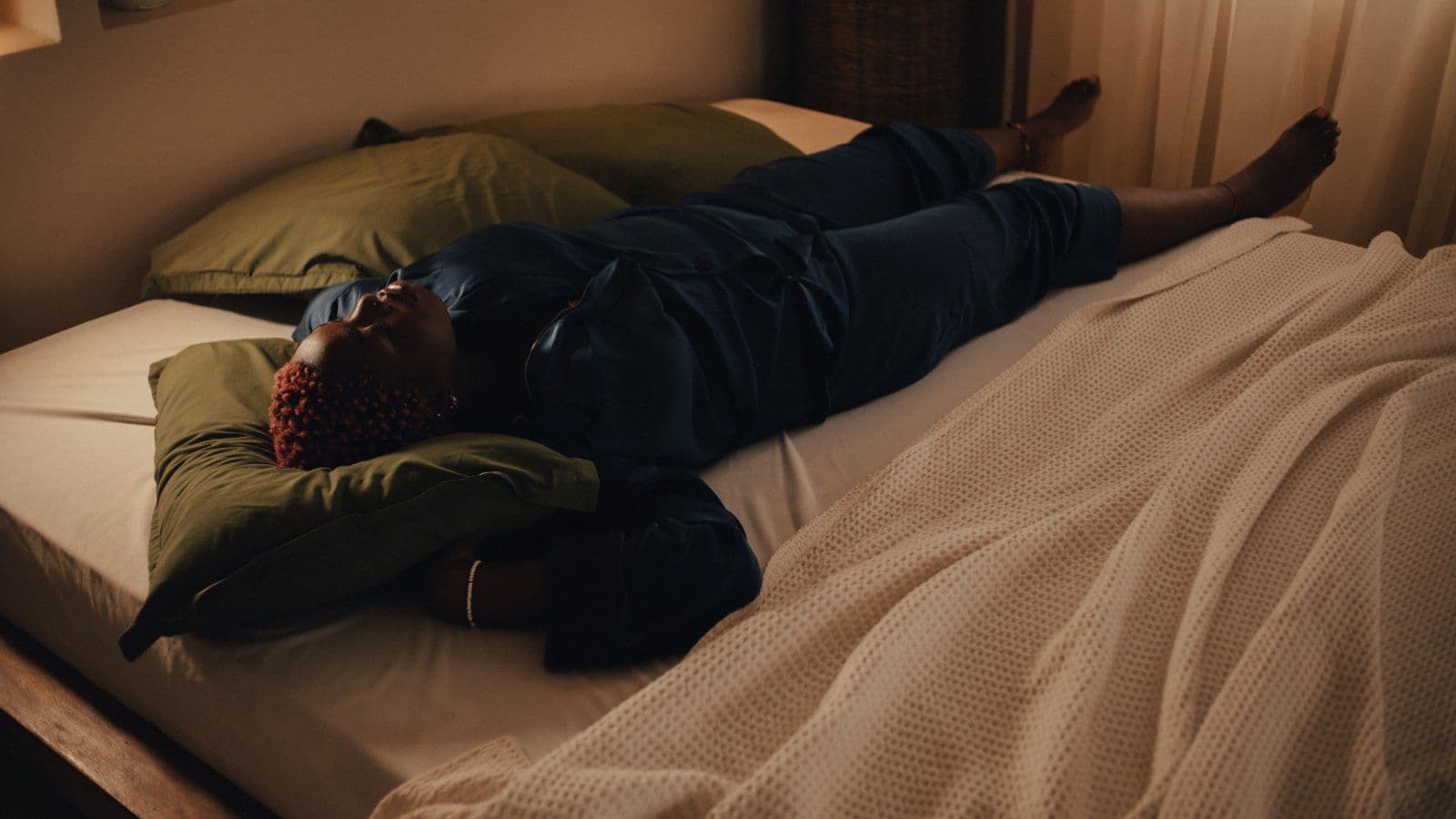
Sleep plays a particularly important role during childhood and adolescence, periods of intense growth and learning. However, the needs are high and the rhythms have specificities, particularly during adolescence. Knowing these benchmarks helps families achieve a good night's sleep, which is a guarantee of good development.
1. A high need for sleep
Children and adolescents need more sleep than adults. This sleep supports growth, memory, learning and emotion regulation. Chronic withdrawal can impact mood, attention to school and well-being.
| Age | Indicative need |
|---|---|
| Young child | High, with naps |
| School child | Approximately 9 to 11 a.m. |
| Adolescent | Approximately 8 to 10 hours |
2. The specificity of adolescence
During adolescence, the biological clock shifts naturally: falling asleep tends to become later. Combined with early school schedules and screens, this often creates sleep debt. This shift is physiological, not just a “whim”.
3. The impact of screens
Screens, very common among young people, delay falling asleep with their light and stimulating content, and eat into sleep time. Supervising their use, especially in the evening, is one of the most effective levers for preserving the sleep of children and adolescents.
4. Accompany good nights
- Establish regular sleep schedules
- Limit screens in the evening and out of the bedroom
- Create a calming bedtime ritual
- Promote physical activity during the day
A caring and regular framework, rather than rigid rules, helps young people sleep well. In the event of persistent difficulties, medical advice may be useful.
💡 tips to remember
- Children and adolescents need more sleep than adults: it supports growth, memory and emotion regulation.
- In adolescence, the biological clock naturally shifts towards falling asleep later: it's not just a whim.
- Screens delay falling asleep and eat into sleep time: framing them in the evening is very effective.
- Regular schedules, a calming bedtime ritual and physical activity during the day promote a good night's sleep.
- A caring and regular environment helps more only rigid rules; in the event of persistent difficulties, medical advice is useful.