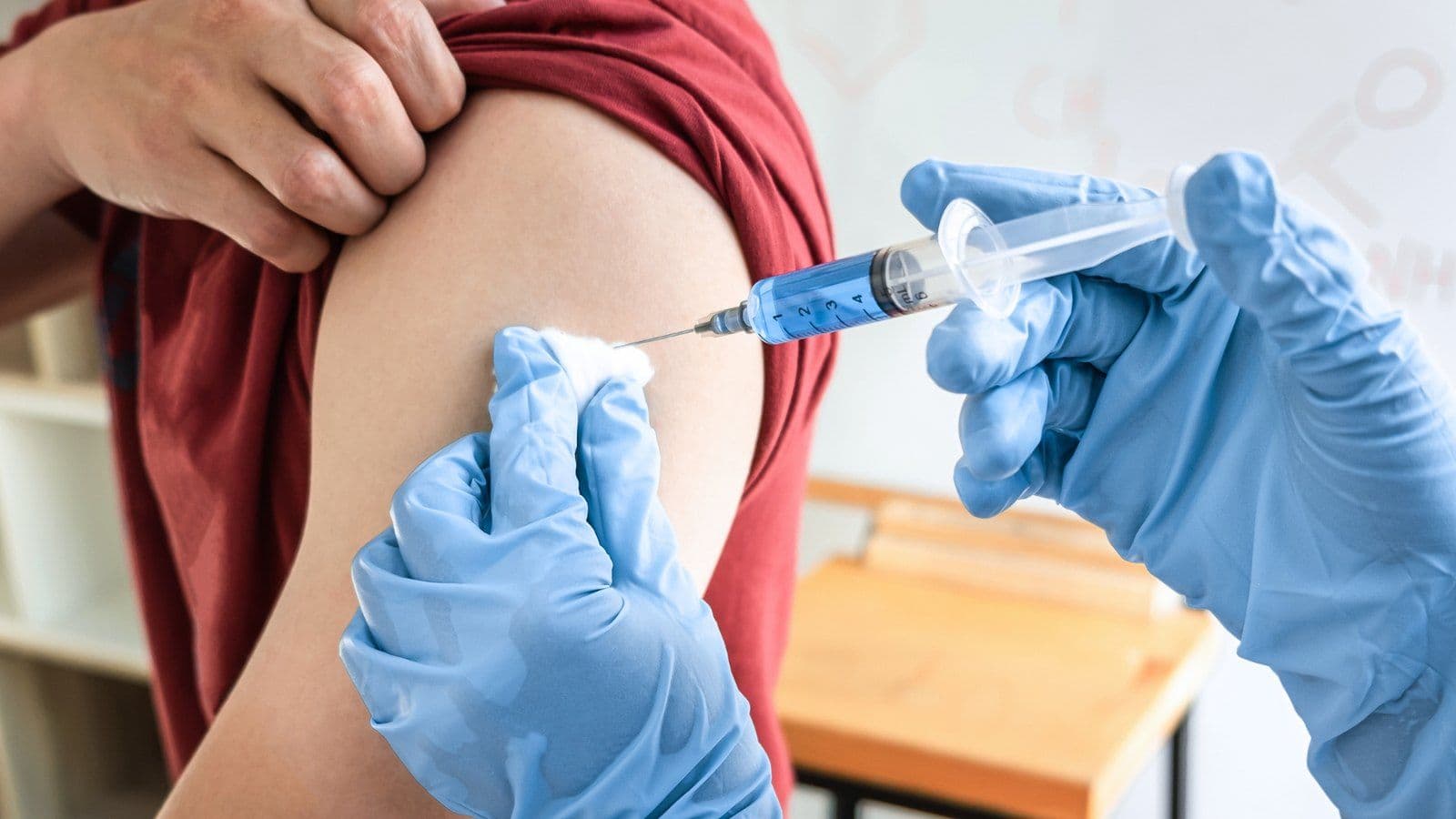
Vaccination is one of the major advances in public health, but how it works often remains poorly understood. How does a vaccine protect? In reality, it relies on a natural capacity of the body: immune memory. Understanding this mechanism helps us understand why vaccination is so effective and useful.
1. The immune system, our natural defense
Faced with a microbe, the immune system learns to recognize it and fight it, then remembers it. This is why we often only contract certain diseases once: the body, once exposed, knows how to defend itself during a subsequent encounter.
2. The principle of the vaccine
The vaccine exploits this memory. It presents a harmless version or part of the microbe to the immune system, without causing disease. The body thus learns to defend itself “dry”. In the event of a real encounter with the microbe, it reacts quickly and effectively.
| Step | What's happening |
|---|---|
| Vaccination | Presentation of a microbe harmless |
| Immune response | The body learns to defend itself |
| Memory | Memorized defense |
| Exposure real | Quick and effective response |
3. Why some vaccines require booster shots
Immune memory may fade over time for some vaccines. Reminders are used to reactivate it and maintain protection. This is why the vaccination schedule provides for injections at different ages.
4. Individual and collective protection
By getting vaccinated, you protect yourself, but you also help protect others. When a sufficient portion of the population is immunized, the circulation of the microbe is slowed, protecting people who cannot be vaccinated. This is collective immunity.
- Vaccination relies on natural immune memory
- Some vaccines require booster shots to remain effective
- Getting vaccinated protects yourself and others
Understanding how it works helps you make informed choices. The doctor and pharmacist can answer questions.
💡 tips to remember
- Vaccination relies on a natural capacity of the body: immune memory.
- The vaccine presents the immune system with a harmless version of the microbe so that it learns to defend itself “off the cuff”.
- In the event of a real encounter with the microbe, the body then reacts quickly and effectively.
- Some vaccines require booster shots because immune memory can fade over time. herd immunity.
Further reading