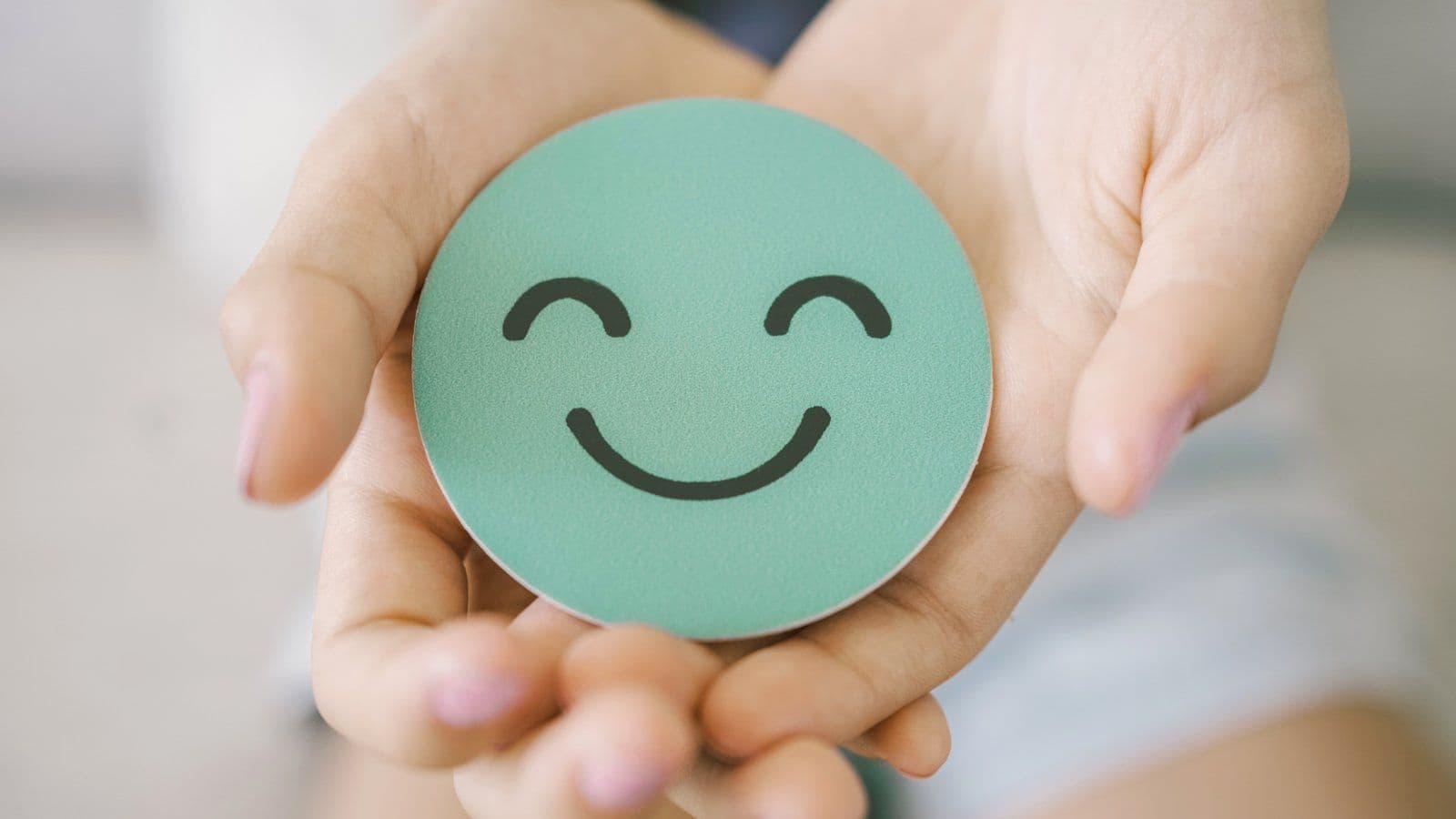
Sometimes I feel a sadness that I don't know what to do with. I don't know whether to express it or hide it, let it go or try to get rid of it, worry or just trust it. Sadness is one of the most universal and uncomfortable emotions in our “be positive” culture. We are invited to be well, to bounce back quickly, to smile brightly. However, sadness plays an essential psychological role: it signals loss, invites us to slow down, facilitates mourning and promotes connection with others. This article is here to help you work through your sadness, not to run away from it.
1. What is sadness for?
Sadness is a universal primary emotion, present in all human cultures. It is triggered by a loss, real or symbolic: the end of a relationship, bereavement, failure, disappointment, the loss of an ideal or a hope.
Far from being useless, it fulfills several essential psychological functions:
- ●She alerts me to a significant loss and invites me to give it the attention it deserves.
- ●It slows down my pace and pushes me to introspection, a necessary time to integrate what has happened.
- ●It facilitates mourning and the process of acceptance, without it, I couldn't really turn the page.
- ●It promotes empathy and social connection: expressing my sadness often invites others to come closer and offer support.
Research in evolutionary psychology even suggests that sadness temporarily improves certain aspects of cognition: memory for details, nuanced judgment, motivation to solve complex problems. It’s not an emotion to erase, it’s an emotion to work through.
| Criteria | Normal sadness | Prolonged sadness | Depression |
|---|---|---|---|
| Duration | A few hours to a few days | Several weeks, fluctuating | More than 2 weeks, quasi-permanent |
| Link with event | Clear and identifiable | Link sometimes diffuse | Not necessarily a visible trigger |
| Pleasure | Kept between episodes | Reduced, but present at times | Absent (anhedonia) |
| How it works | Globally preserved | Partially altered | Significantly altered |
| Thoughts about self | Temporarily negative | Increased self-criticism | Devaluing, feeling of uselessness |
2. Normal sadness, prolonged sadness, depression: how to distinguish them?
It is important to distinguish between normal sadness, prolonged sadness and depression because they do not require the same responses.
If I recognize the characteristics of depression in this picture, I consult my general practitioner. This is not a judgment but useful information to obtain the right support at the right time.
3. Common mistakes when dealing with sadness
Avoid her at all costs. Rushing through work, screens or going out to avoid feeling your sadness does not make it disappear. It comes back later, often with more intensity. Emotional avoidance prolongs suffering.
Amplify it. On the other hand, dwelling on, ruminating, and focusing over and over again on what is wrong can transform normal sadness into a depressive spiral. There is a difference between feeling your sadness and drowning in it.Judging yourself for feeling it. “I have no reason to be sad”, “others have real problems”… These judgments about my own sadness add shame to the pain, without helping in any way.
Isolate yourself. Sadness sometimes leads to social withdrawal. But isolation is one of the factors that transforms temporary sadness into lasting suffering. Maintaining connections, even minimal ones, is protective.
4. How to work through my sadness with kindness
I give him a space, delimited. Rather than running away from it or letting it invade all my mental space, I devote intentional time to it. 20 minutes to feel, write, cry if I need to. Then I resume my activities. This teaches me to hold it without being governed by it.
I name it and I express it. Putting words to my sadness, out loud, in writing or to someone you trust, is one of the most regulating gestures. Authentic emotional expression accelerates the processing and passage of emotion.
I connect with myself with kindness. Self-compassion, treating myself with the same kindness I would treat a friend who is suffering, is one of the most powerful antidotes to emotional suffering. Research by Kristin Neff (UT Austin) shows that self-compassion improves resilience and reduces rumination.
I take care of my body. The body and emotions are inseparable. Getting enough sleep, eating carefully, walking outdoors, limiting alcohol, these simple actions support my emotional balance and reduce the duration and intensity of episodes of sadness.
I maintain a minimal social connection. I don't need to pretend everything is okay. But staying in touch with a few trusted people, even briefly, even silently, is one of the best supports I can give myself.
5. When to consult?
I don't wait until my sadness is unbearable to seek help. I consult my general practitioner if:
- ●My sadness has lasted for more than two weeks without any noticeable improvement.
- ●It was accompanied by a loss of interest in activities that I enjoyed, sleep or appetite problems.
- ●I have recurring thoughts of death or lack of meaning in life.
- ●It significantly impacts my work, my relationships or my general well-being.
If I have suicidal thoughts, I immediately contact 3114, the National Suicide Prevention Number, available 24/7.
💡 tips to remember
- Sadness is not a mistake to be corrected: it is a useful emotion that signals loss and facilitates grieving. Giving him space, intentionally and temporarily, allows him to move on more quickly.
- I dedicate a designated time for him: 20 minutes to feel, write, cry if necessary. Then I resume my activities. This practice teaches me to move through sadness without drowning in it.
- I name my sadness precisely and I express it, out loud, in writing or to someone I trust. Authentic emotional expression accelerates the processing and passage of emotion.
- I treat myself with the same kindness I would treat a friend who is suffering. Self-compassion is one of the best scientifically validated antidotes against ruminations and prolonged suffering.
- If my sadness has lasted for more than two weeks and is affecting my daily life, I consult my general practitioner. The line between prolonged sadness and depression deserves to be evaluated by a professional.