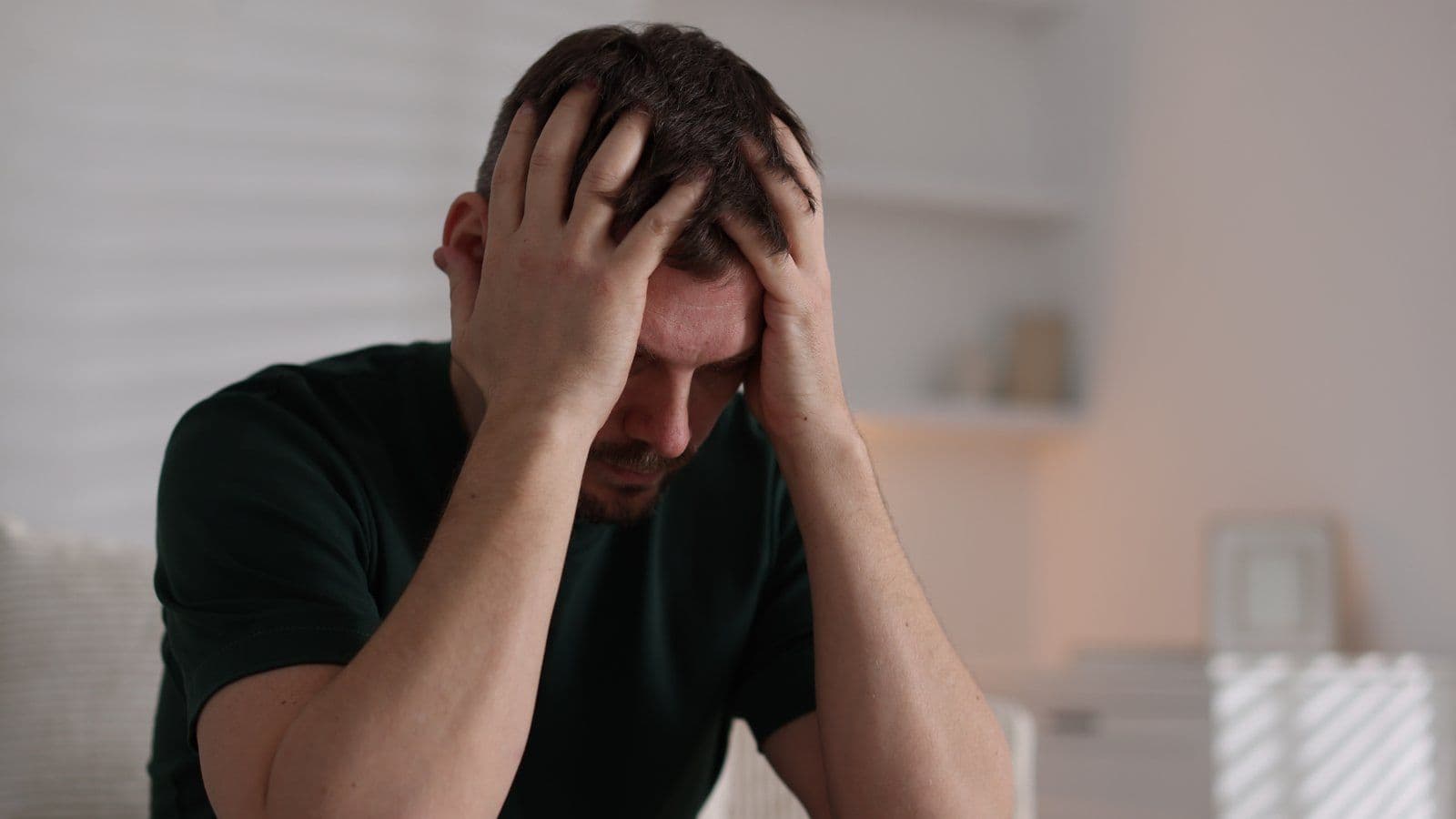
I have been through hardships. Perhaps a loss, a layoff, an illness, a breakup, a bitter failure. And sometimes I wonder: why do some people seem to bounce back faster than others? Are they just stronger? Did they suffer less? Psychology research clearly answers: no. Resilience is not armor against pain, it is the ability to push through pain and keep moving forward. And above all, it is not a fixed personality trait. According to the American Psychological Association, resilience is an active, dynamic process that can be cultivated and strengthened throughout life. Here's how.
1. Resilience: what it really is
Resilience is the ability to adapt positively in the face of adversity, stress, trauma, tragedy, or significant sources of threat. It is not the absence of pain or distress, it is the ability to go through these experiences without being permanently broken by them, and to regain a functional balance, or even to transform oneself positively through them.
The concept of "post-traumatic growth", developed by psychologists Tedeschi and Calhoun, shows that some people do not simply return to their state before the ordeal, they emerge with a deeper vision of themselves, more authentic relationships and a renewed sense of life. Resilience can lead to transformation, not just recovery.
| Factor | Description | How to expand it |
|---|---|---|
| Quality social links | Emotional support, sense of belonging, presence of people you trust | Invest in your relationships, ask for help without shame |
| Meaning and values | Feeling that my life has a purpose, values that guide my choice even in adversity | Clarify your values, identify what really matters |
| Emotional regulation | Ability to name, accept and manage emotions without being overwhelmed by them | Mindfulness, CBT, emotional journaling |
| Feeling effectiveness | Belief in my ability to act and influence my situation | Small victories accumulated, action despite doubt |
| Cognitive flexibility | Ability to reframe situations, to find several possible interpretations | Question automatic thoughts, cultivate curiosity |
| Self-care | Sleep, physical activity, diet, recovery time | Ritualize basic habits even in difficult times |
2. Factors that strengthen my resilience
Research identified several protective factors that strengthen resilience. They are all, to varying degrees, workable and developable:
3. The myth of “make up for it”: what resilience is not
Resilience is often misunderstood, and this misunderstanding can be harmful. Here's what it's not:
Resilience is not “pretending you’re okay.” Being strong on the surface while suppressing pain is not resilience, it is an avoidance strategy that slows healing.
Resilience is not the absence of need for help. The most resilient people are often those who know how to ask for support. Appealing to others is not a weakness, it is one of the most powerful protective factors.Resilience is not a linear progression. Relapses, tough days, and flashbacks are part of the process. They don't mean I've failed, they mean I'm human.
Resilience does not minimize suffering. Being resilient does not mean that the ordeal was unimportant or that my pain is illegitimate. Resilience coexists with real suffering, it does not deny it.
4. Cultivate my resilience on a daily basis: 5 concrete practices
Take care of my supportive relationships. Social connection is the most powerful and well-documented resilience factor. Investing time in authentic relationships, even a few, is one of the best investments I can make for my long-term mental health.
Develop a mindfulness practice. Regular mindfulness strengthens emotional flexibility and the ability to observe difficulties without drowning in them, two skills at the heart of resilience. Even 10 minutes a day produces measurable effects.
Practice cognitive reframing. When faced with a challenge, I train myself to ask myself the question: “What does this situation teach me about myself?” What do I have the capacity to do with what happened to me? » This reframing does not deny the difficulty, it opens up avenues of action.
Maintain my self-care rituals. In difficult times, the first things we give up are often the most protective: sport, regular sleep, moments of pleasure. I protect these rituals even imperfectly, even if it's just 10 minutes of exercise or an extra hour of sleep.
Clarify my values. Knowing what really matters to me, beyond the circumstances, provides a stable course in adversity. The most resilient people often have a clear inner compass that guides them even when everything seems chaotic.
5. Resilience and professional support
Developing resilience does not mean going through challenges alone. When an ordeal is severe, trauma, bereavement, serious crisis, psychotherapeutic support is often essential to avoid getting stuck and to transform the experience rather than being overwhelmed by it.
EMDR (Eye Movement Desensitization and Reprocessing), CBT, narrative therapy, and ACT are particularly effective in building resilience after trauma or crisis. My general practitioner can direct me to the most suitable professional.
💡 tips to remember
- Resilience is not the absence of pain, it is the ability to push through pain and keep moving forward. And above all, it is a capacity that can be cultivated at any age.
- Social connection is the most powerful factor of resilience: a few authentic and trusting relationships protect more than a vast superficial network.
- Regular mindfulness (10 min/day) strengthens emotional flexibility and the ability to observe difficulties without drowning in them, two skills at the heart of resilience.
- In during difficult times, I protect my self-care rituals as a priority: sport, sleep, moments of pleasure. They are the first sacrifices and the most protective.
- Seeking professional help after a severe ordeal is not a weakness, it is one of the most resilient acts there is. Post-traumatic growth is possible with the right support.