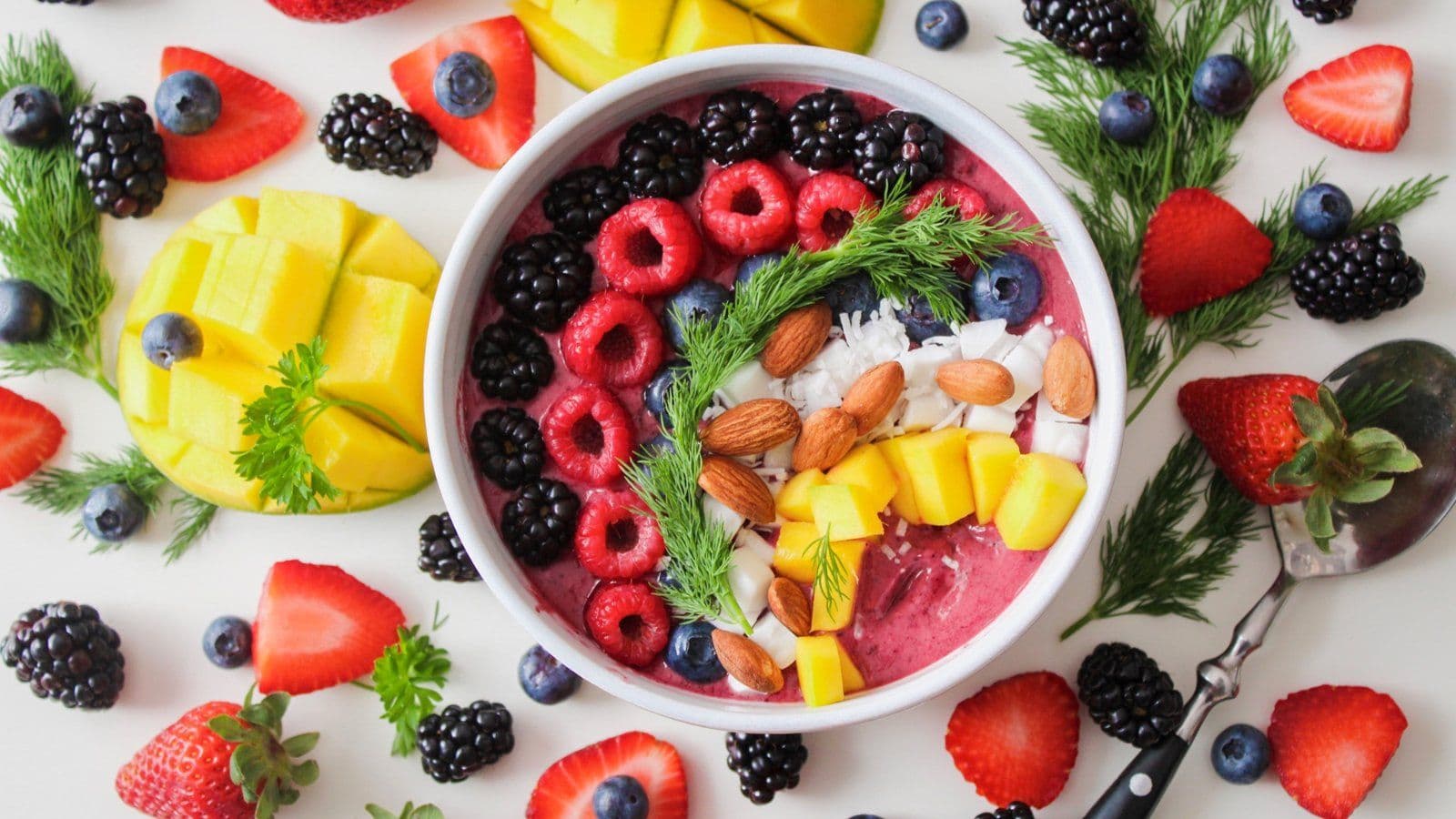
I eat chicken and rice almost every day because it's simple, convenient and I know it's balanced. Or pasta with cheese, my evening refuge recipe. Or always the same lunch sandwich. These repetitive habits are human, reassuring, practical. But they have a nutritional cost that is often underestimated: dietary monotony gradually depletes the microbiota, deprives the body of certain micronutrients and reduces the diversity of beneficial biological signals that food can send it. In this article, I invite you to see dietary diversity not as another constraint, but as one of the most joyful and useful things I can do for my health.
1. Why is dietary diversity so important?
Dietary diversity is not a marketing concept: it is a fundamental biological principle. Here's why:
- ●The complementarity of nutrients: no food is nutritionally complete. Fruits, vegetables, cereals, legumes, proteins and good fats provide different and complementary nutrients. A monotonous diet, even one rich in a healthy food, inevitably creates nutritional gaps over time.
- ●The diversity of the microbiota: this is probably the most powerful argument emerging from recent research. The bacterial diversity of the intestinal microbiota is directly correlated with the diversity of plants consumed. Data from the American Gut Project, covering more than 10,000 participants, showed that people consuming more than 30 different types of plants per week had a significantly more diverse and resilient microbiota than those consuming fewer than 10.
- ●Protection against deficiencies: each food group provides specific micronutrients that are difficult or impossible to obtain elsewhere. Cruciferous vegetables for glucosinolates, small red fruits for anthocyanins, fatty fish for marine omega-3, legumes for certain amino acids and specific fibers.
- ●The synergy of phytochemicals: the thousands of bioactive compounds present in plants act in synergy. Two different fruits or vegetables often have complementary and potentiated effects when consumed together - an effect that cannot be reproduced by consuming a single food in large quantities.
Category Concrete examples to achieve the 30 Cereals and grains Oats, brown rice, quinoa, bulgur, barley, buckwheat, rye, corn = 8 plants Legumes Lentils, chickpeas, kidney beans, white beans, edamame, beans = 6 plants Vegetables Broccoli, spinach, carrot, tomato, zucchini, pepper, onion, garlic, cabbage = 9 plants Fresh fruits Apple, banana, blueberries, orange, kiwi, pear = 6 plants Oilseeds and seeds Walnuts, almonds, chia seeds, flax seeds, hazelnuts = 5 plants Herbs and spices Turmeric, ginger, cinnamon, parsley, basil, rosemary = 6 plants
2. The goal of 30 plants per week
The goal of 30 different plants per week, emerging from the American Gut Project and popularized by researcher Tim Spector, has become a practical benchmark for dietary diversity. It may seem ambitious at first - but it's more accessible than it seems.
What counts as a plant: Any food of plant origin counts - fruits, vegetables, grains, legumes, nuts, seeds, herbs and spices. Even spices like turmeric, cinnamon or cumin each count as one herb.
By simply adding a variety in these categories, reaching 30 plants in a week becomes very accessible - and often surprising: we easily exceed 30 when we start counting.
3. My diversity routine: simple gestures
Dietary diversity doesn't mean cooking complex dishes every night. Here are very simple actions that enrich my diversity without additional effort:
- ●I change my morning fruit every day of the week: apple Monday, banana Tuesday, kiwi Wednesday, pear Thursday, orange Friday. In 5 days, 5 different plants.
- ●I replace rice with another cereal once a week: quinoa, bulgur, buckwheat, barley or millet. Same preparation, different plant.
- ●I systematically add a small handful of seeds to my salad or yogurt: chia, flax, squash or sunflower seeds in rotation. 30 seconds, 4 different plants over the week.
- ●I vary my herbs and spices: rather than the same pepper and salt, I explore turmeric, cumin, paprika, ginger, cinnamon, coriander. Each counts as a plant and contributes its specific phytochemicals.
- ●I discover an unusual vegetable or legume per week: parsnips, patisson, mung beans, broad beans, split peas, edamame. The local market is my playground.
- ●I keep a bowl of varied seasonal fruits on the work surface: visibility encourages consumption. What I see, I eat.
4. The trap of healthy monotonyThere is an interesting paradox in healthy eating habits: people who eat well tend to repeat the same good meals week after week. Wholemeal chicken-broccoli-rice, every lunchtime, because it’s healthy and practical. It's infinitely better than everyday fast food. But in the long term, this healthy monotony also has its limits:
- ●It creates weariness which can lead to abandoning good habits
- ●It deprives the microbiota of the diversity of substrates it needs to maintain its bacterial richness
- ●It can create gaps in specific micronutrients, even with an overall balanced diet
- ●It reduces food pleasure, an important component of overall well-being
The solution is not to change everything, but to introduce small variations within established good habits. Keep the structure (a starch, a protein, vegetables) while rotating the ingredients within each category.
5. Dietary diversity and pleasure: two allies
I saved this point for last because it is often forgotten in discussions about health: dietary diversity is also a source of pleasure, curiosity and cultural openness. Eating is not just about ingesting nutrients. It is also a sensory, social and emotional experience.
Each new food discovered is a gateway to a culture, a region, a culinary tradition. Japanese cuisine that exposes me to miso and tempeh. Mexican cuisine that brings me black beans and pumpkin seeds. Indian cuisine with its spices with exceptional anti-inflammatory properties. Mediterranean cuisine with its legumes and olive oil.
Approaching dietary diversity as a culinary adventure rather than a nutritional obligation is the key to a sustainable approach. I'm not trying to eat healthy, I'm trying to eat curious - and health naturally follows.
💡 tips to remember
- Dietary diversity is the best indicator of a healthy microbiota: people consuming more than 30 different plants per week have a significantly richer and more resilient microbiota.
- Herbs and spices count: turmeric, ginger, cinnamon, basil, rosemary - each is a different herb that contributes to the weekly 30 and contributes its own phytochemicals.
- I change my morning fruit every day: 7 days, 7 different fruits. It's the simplest thing to do to increase my plant diversity without any additional effort.
- Vary the cereals from one week to the next: quinoa this week, buckwheat the next, bulgur after. Same preparation, different nutritional benefits.
- Even a well-balanced, monotonous meal has its limits in the long term: the diversity within each category is as important as the structure of the meal.
- I approach diversity as a culinary curiosity, not as an obligation: discovering a new food every week is an adventure, not a constraint.
- Protected food diversity also against deficiencies: certain micronutrients are specific to foods that no one replaces if they are not consumed.