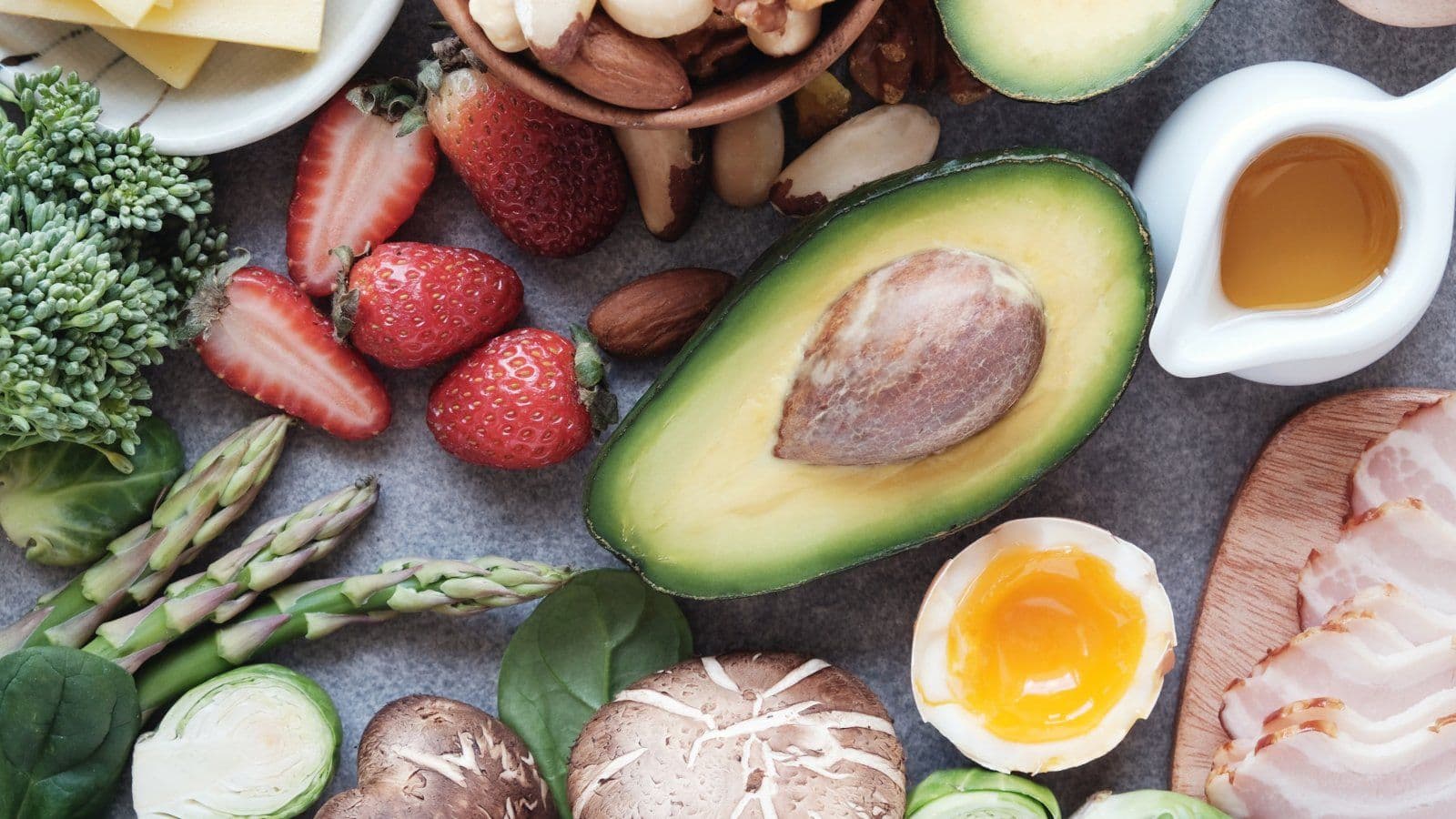
A tomato in January traveling from Spain or Morocco, strawberries in December in a heated greenhouse, asparagus available all year round... Food globalization has put an end to seasonal constraints on our plates. But at what price, nutritional and ecological? Eating seasonally is one of those recommendations that seems self-evident, without always knowing why. In this article, I invite you to (re)discover with curiosity and kindness the real reasons to eat in accordance with the seasons - for my health, for my wallet and for the planet that I leave to future generations.
1. Why are seasonal fruits and vegetables more nutritious?
The answer is in one word: maturation. A fruit or vegetable picked at optimal maturity, at the right time in its natural season, has had time to fully develop its concentration of vitamins, minerals, antioxidants and phytochemicals. Conversely, a fruit harvested before maturity to withstand a long transport and ripen artificially during the journey has not had this time for nutritional development.
Several studies have quantified these differences:
- ●Tomatoes grown out of season in greenhouses contain significantly less lycopene - the antioxidant that gives them their red color - than tomatoes ripened naturally in summer under the sun.
- ●Spinach stored 7 days after harvest can lose up to 75% of its folate content (vitamin B9) according to a study published in the Journal of Food Science (2005).
- ●In-season strawberries contain more vitamin C and anthocyanins than out-of-season strawberries, according to several comparative analyzes carried out in northern Europe.
Freshness also plays a major role: many water-soluble vitamins (vitamins C' and B) oxidize quickly after harvest. A vegetable consumed in the days following its picking retains a much higher vitamin content than a vegetable that has traveled for several days from a distant country.
| Season | Seasonal fruits | Seasonal vegetables |
|---|---|---|
| Spring | Strawberry, rhubarb, cherry (late), apricot (start) | Asparagus, radish, peas, broad beans, spinach, lettuce, spring onion, artichoke |
| Summer | Cherry, raspberry, apricot, peach, nectarine, melon, watermelon, blueberry, plum, fig (end) | Tomato, zucchini, eggplant, pepper, cucumber, green bean, sweet corn, fennel, basil |
| Autumn | Grape, fig, pear, apple, quince, chestnut, walnut, hazelnut | Squash, pumpkin, sweet potato, cabbage, broccoli, mushrooms, leek, beetroot, celery root |
| Winter | Apple (preservation), pear (preservation), orange, tangerine, clementine, grapefruit, kiwi | Cabbage (all varieties), leek, parsnip, Jerusalem artichoke, mache, endive, carrot, turnips, salsify |
2. The seasonal calendar: my practical points of reference
This calendar is indicative and varies depending on the region. The local market is always the best guide: what is in abundance and cheaper is generally in season.
3. The health argument of seasonal diversity
One of the least discussed benefits of eating seasonally is the dietary diversity it naturally imposes. By varying my fruits and vegetables throughout the seasons, I automatically consume a greater diversity of vitamins, minerals and protective phytochemicals.
This seasonal diversity also corresponds to ancient nutritional wisdom: citrus fruits rich in vitamin C in winter to support immunity against respiratory infections, root vegetables rich in B vitamins and minerals to get through the cold, red fruits and salads rich in antioxidants and folates in spring-summer for vitality.
Nutrition research confirms what food traditions had intuited: the diversity of plants consumed is one of the most robust predictors of the health of the intestinal microbiota. The objective of 30 different plants per week is much more easily achieved by varying according to the seasons.
4. Eating seasonally and my budget: a happy alliance
The economic argument is often underestimated. The correlation between seasonality and price is however direct and documented:
- ●Abundance lowers prices: when a product is in peak local production season, supply is maximum and prices fall. Strawberries in June cost 2 to 3 times less than in December. Zucchini in August are 3 to 4 times cheaper than in February.- Less transport and conservation costs: a local seasonal product does not need to be transported thousands of kilometers or stored in a controlled atmosphere for weeks. These savings are directly reflected in the final price.
- ●Local producers' markets: they generally offer the cheapest seasonal products, with the best quality-price ratio. A Saturday morning at the local market can transform my relationship with food and seasonality.
In practice, building my menus around promotional products - which are almost always seasonal products - is a strategy that combines health, flavor and savings.
5. Environmental impact: a simple but real gesture
Food represents around 25 to 30% of the carbon footprint of an average European according to data from Ademe. Eating seasonally is one of the most accessible dietary actions to reduce this footprint:
- ●Tomatoes grown in heated greenhouses in winter have a carbon footprint 10 times greater than tomatoes grown in the open field in summer according to life cycle analyzes published by Ademe.
- ●The air transport of fresh exotic products (mango, pineapple, red fruits out of season from South America) generates a particularly high carbon footprint.
- ●Seasonal vegetables grown locally, in the open field, without a heated greenhouse or controlled atmosphere, have the lowest carbon footprint of all food.
There is no question here of feeling guilty about a mango in January or a strawberry in December: it is a fundamental trend, a progressive direction. Increasing the proportion of local seasonal products in my diet, even partially, has a real and positive impact.
6. My concrete actions to eat more seasonally
- ●I consult a seasonal calendar once to remember it: a few minutes of learning are enough to have the main points in mind. I even display it on the fridge if necessary.
- ●I trust the price and the abundance in the market: what is cheapest and most available is almost always in season. The market guides me naturally.
- ●I plan my menus after the market, and not before: I start with a flexible list and I adapt to what I find beautiful and fresh rather than imposing a rigid menu.
- ●I discover one unknown seasonal vegetable per month: Jerusalem artichoke, salsify, parsnip, kohlrabi... These forgotten vegetables are often the least expensive, very nutritious and a source of refreshing culinary diversity.
- ●I keep surpluses: in peak season, prices are low and quality is optimal. I take advantage of freezing, making compotes, jams or preserves which will allow me to enjoy these products out of season without transport or greenhouse.
- ●I subscribe to a basket of local vegetables: AMAP (Associations for the Maintenance of Peasant Agriculture) or producer baskets deliver local seasonal products directly to your home, at a fair price and without effort of selection.
💡 tips to remember
- A seasonal fruit or vegetable picked when ripe is richer in vitamins, minerals and antioxidants than an out-of-season product harvested before maturity for transport.
- Seasonality naturally imposes dietary diversity: by changing my fruits and vegetables with the seasons, I cover a much wider range of nutrients than by eating the same products all year round.
- What is cheapest at the market is almost always in season: abundance brings prices down. Eating seasonally also means eating less expensive.
- Tomatoes in a heated greenhouse in winter have a carbon footprint 10 times greater than field tomatoes in summer. A simple gesture, a real impact.
- I plan my menus after the market and not before: I adapt to what is beautiful, fresh and abundant rather than imposing a rigid menu all year round.
- I freeze surpluses in peak season: strawberries, zucchini, green beans... Frozen at the peak of their nutritional quality, they retain most of their vitamins.
- Discovering one forgotten vegetable per month (parsnip, Jerusalem artichoke, salsify) is a culinary adventure with a double win: nutritional diversity and savings.