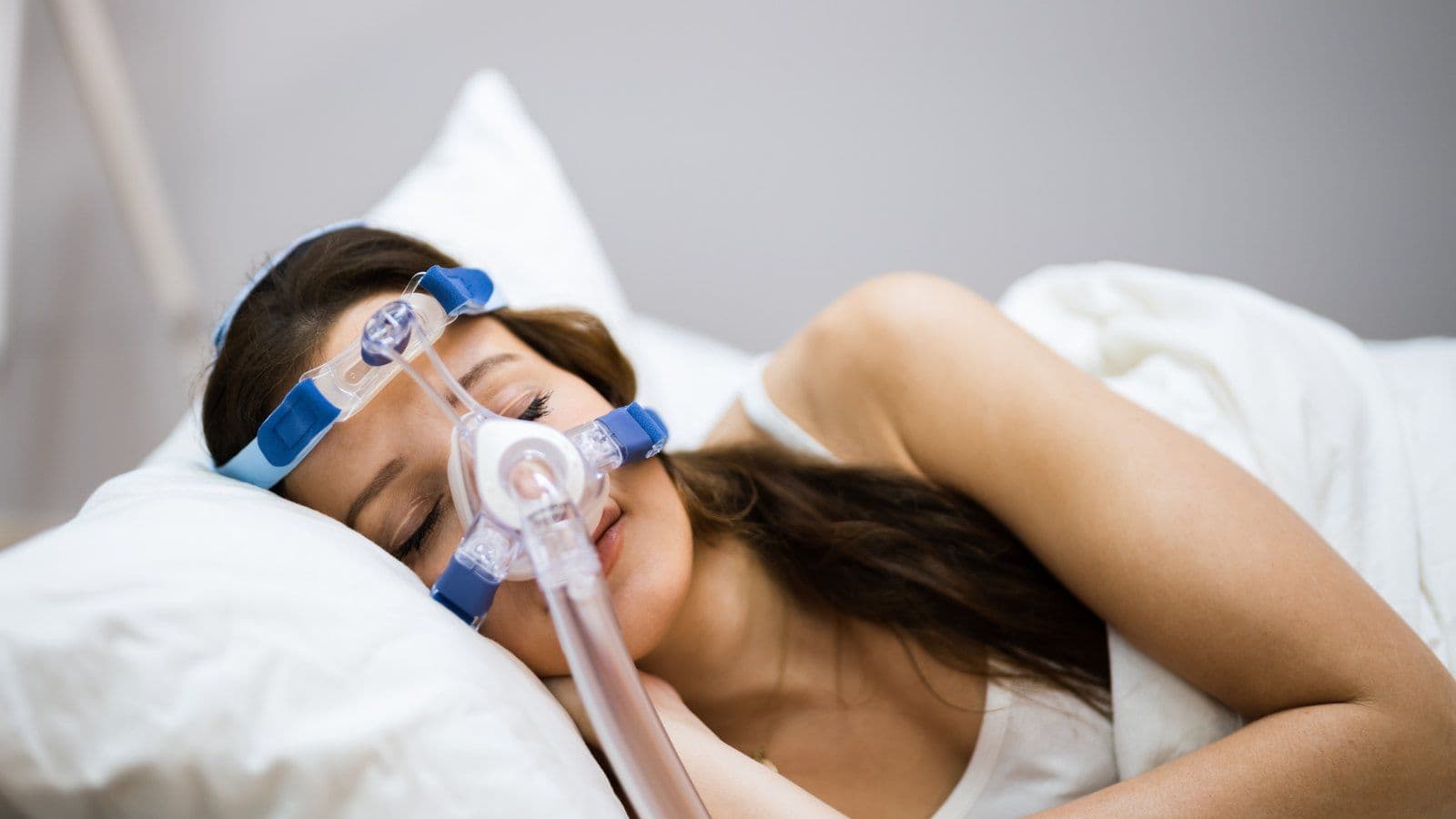
Sleep apnea syndrome is characterized by repeated pauses in breathing during the night. Common but often unrecognized, it fragments sleep without the person realizing it and can have health consequences. Identifying it allows for care that transforms the quality of life.
1. What is sleep apnea?
During sleep, the airways may become partially or completely blocked, causing repeated pauses in breathing. Each break causes a micro-awakening, often imperceptible, which fragments sleep and prevents it from being restorative.
2. Signs that should alert
| Sign | Frequency |
|---|---|
| Heavy snoring | Very frequent |
| Respiratory pauses observed | Evocative |
| Fatigue and daytime sleepiness | Common |
| Awakenings, non-restorative sleep | Common |
| Morning headache | Possible |
Sleepiness during the day, despite sufficient sleep, is an important sign. Often, it is those around you who notice the snoring and pauses in breathing.
3. Why not neglect it
Untreated, sleep apnea syndrome is associated with an increased risk of hypertension, cardiovascular disease and accidents linked to drowsiness. It also affects concentration, mood and quality of life.
4. Diagnosis and management
The diagnosis is based on a sleep recording. Effective solutions exist, adapted to the severity, ranging from lifestyle measures to medical devices. Treatment often significantly improves fatigue and health.
- Do not trivialize persistent daytime sleepiness
- Talk to your doctor, especially in the event of snoring and pauses
- Consider recording sleep if necessary
Faced with suggestive signs, medical advice allows a diagnosis to be initiated and a return to restful sleep.
💡 tips to remember
- Sleep apnea causes repeated breathing pauses which fragment sleep through imperceptible micro-arousals.
- Severe snoring, breathing pauses observed by those around you and daytime drowsiness despite sufficient sleep should alert you.
- Untreated, this disorder is associated with an increased risk of hypertension, cardiovascular disease and accidents.
- Diagnosis is based on sleep recording, and effective solutions exist depending on the severity.
- I don't trivialize persistent daytime sleepiness: I talk to my doctor about it to consider a diagnosis.